

Background and Retionale
AOT’s operations—Airport operations throughout the entire value chain—encompassing construction, infrastructure development, and operational services—necessitate seamless collaboration among employees, business partners, and contractors. The inherent nature of airport operational areas involves high-risk activities, such as working in proximity to aircraft, heavy machinery, utility systems, and hazardous materials. These factors directly impact the safety, health, and quality of life of personnel, as well as overall business continuity
For AOT, the absence or insufficiency of an effective Occupational Health and Safety (OHS) management system could lead to accidents, injuries, operational disruptions, legal non-compliance, and risks concerning human rights in the workplace. Furthermore, the diversity in experience and generational backgrounds of the workforce may influence safety perceptions and behaviors. Consequently, the organization places a high priority on fostering a robust safety culture, continuous knowledge and skill development, and stringent operational oversight in accordance with established standards to ensure a safe and sustainable working environment for all stakeholders.
Furthermore, AOT emphasizes the procurement of equipment that meets environmental criteria under its Green IT policy to mitigate health risks associated with substandard equipment. These measures collectively elevate operational excellence, reduce safety-related risks, bolster stakeholder confidence, and reinforce the organization’s commitment to long-term sustainable growth.
Policy
AOT Occupational Health, Safety, and Workplace Environment Policy
Airports of Thailand Public Company Limited (AOT) is committed to operating and managing airports of international standards, with exceptional service quality and a strong sense of responsibility toward society, the environment, and local communities. AOT places high importance on safeguarding the health, safety, and working environment of all employees and personnel.
The Company emphasizes proactive accident prevention and risk mitigation measures for employees and stakeholders at all levels, reflecting its responsibility to ensure occupational health and safety for all relevant parties—including AOT employees, contracted workers, service providers, general public, and individuals performing duties within AOT premises. These efforts aim to establish a reliable and sustainable working standard.
AOT is committed to continuously implementing this policy to foster confidence in workplace safety and well-being for all personnel and the organization as a whole. This policy encompasses the following key principles and practices:
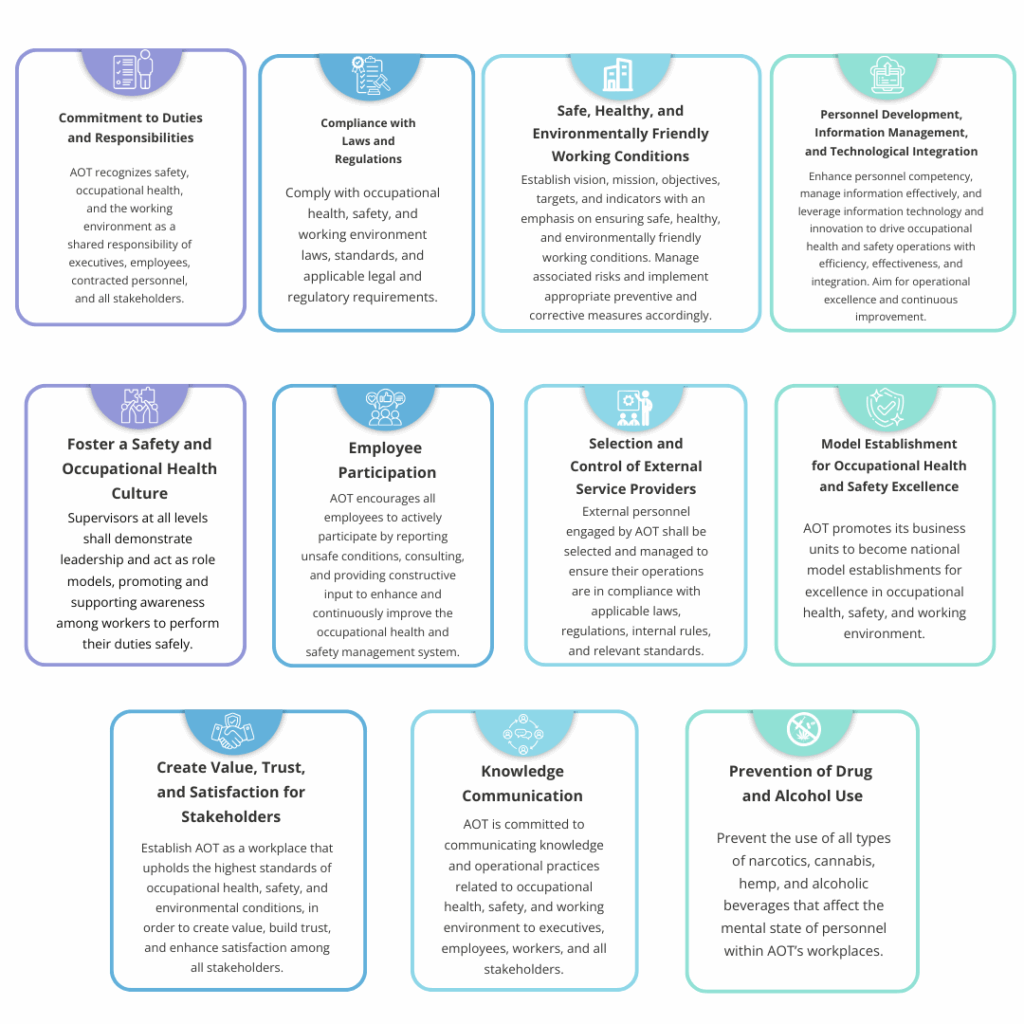
Airports of Thailand (AOT) is committed to the continuous development and elevation of safety standards. This commitment ensures that both passengers and personnel can remain confident that AOT’s aviation operations are efficient, secure, and strictly aligned with the organization’s strategic goals and core values.
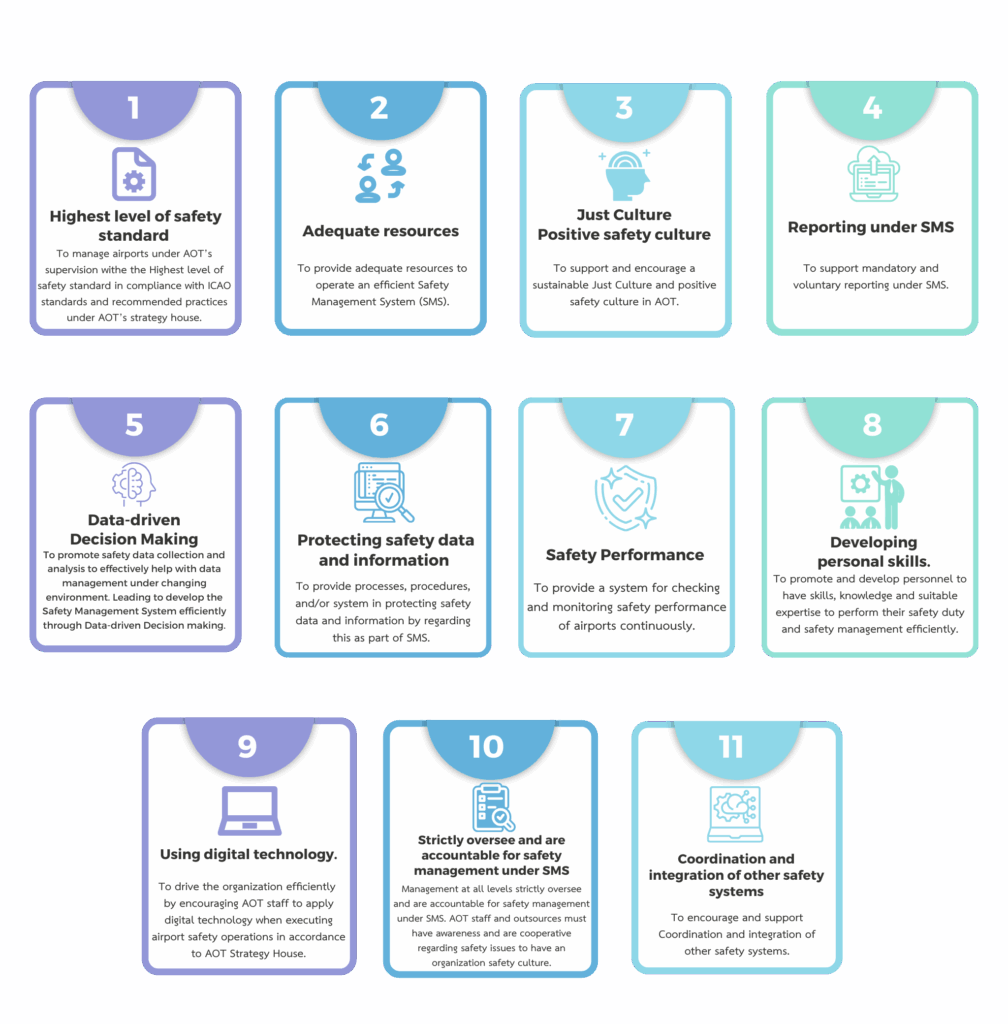
In addition, AOT has established the Occupational Health and Safety Management System Manual, along with official regulations and safety handbooks for contractors, to serve as practical guidelines for all employees, staff, and contractors of AOT. These documents apply to operations at all AOT-managed airports and the Head Office.

Management Approaches
Roles and Responsibilities
AOT has designated responsible personnel for occupational health and safety at its six airports and Head Office, as follows:
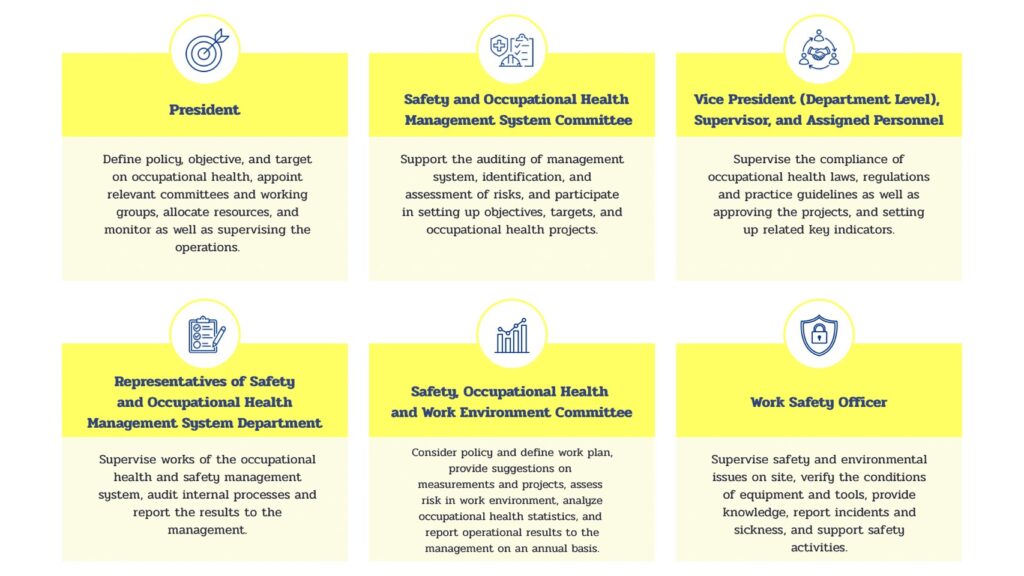
Airports of Thailand (AOT) has clearly designated personnel responsible for occupational health and safety across its 6 airports and head office. The Occupational Safety, Health, and Environment Committee (OSHE Committee) is tasked with overseeing operations to ensure compliance with the Ministerial Regulation Prescribing Standards for Administration and Management of Occupational Safety, Health, and Environment, B.E. 2549 (2006).
The committee is composed of a Chairperson (appointed by the employer), a Professional Safety Officer (serving as both committee member and secretary), employer representatives at the supervisory level (appointed by the employer), and employee representatives from all levels (elected). The number of employer and employee representatives must be equal.
The Committee convenes at least once a month to review performance outcomes and provide recommendations on occupational health and safety measures to support continuous improvement in management efficiency.
In addition, AOT has established the Board Oversight of Health and Safety responsible for setting and reviewing the strategic direction and action plans related to occupational health and safety. This board also oversees and monitors the implementation to ensure alignment with AOT’s strategic objectives.
The Senior Executive Vice President of Airport and Aviation Standard (SEVP-AAS) serves as the Chairperson of AOT’s Occupational Health and Safety Strategic Committee.
Strategic Action Plan for Occupational Health and Safety Management System
Airports of Thailand Public Company Limited (AOT) reaffirms its commitment to continuous improvement in occupational health and safety by formulating a new strategic plan entitled “Organizational Context and Strategic Action Plan for Occupational Health and Safety Management System for Fiscal Years 2024–2027.” This plan aims to enhance the standards of occupational health and safety across the organization and reduce accident rates by the year 2027.
The plan is aligned with the AOT Corporate Plan for Fiscal Years 2023–2027 (Revised Edition for Fiscal Year 2025) and reflects the current organizational context and future trends in the airport management industry.
AOT envisions the development of an exemplary Occupational Health and Safety Management System (OHSMS) that effectively supports its mission as a world-class airport operator. This strategic direction emphasizes service excellence, operational safety, and sustainable revenue generation. The implementation is guided by five key strategies and core initiatives, as outlined below:
| Strategy | Projects |
|---|---|
| Strategy 1: Leadership & Culture Development |
|
| Strategy 2: Competency & Knowledge Management |
|
| Strategy 3: Operational Efficiency |
|
| Strategy 4: Outsource & Contractor Control |
|
| Strategy 5: Risk Monitoring Data |
|
Goals and Key Performance Indicators (KPIs) for Occupational Health, Safety, and Workplace Environment
AOT has established key performance indicators (KPIs) on occupational health, safety, and working environment for relevant departments, with annual reviews. These indicators serve as a framework to guide operations in compliance with legal requirements and the ISO 45001:2018 standard, and to support the achievement of a “Zero Accident” target in the workplace.
| Indicators | Annual Goals |
|---|---|
| Number of fatalities | 0 |
| Lost Time Injury Frequency Rate (LTIFR) | 0 |
| Lost Time Injury Severity Rate (LTISR) | 0 |
| Number of Occupational Illness Cases | 0 |
Operations according to standards
|
100% According to standards and plans |
| Recognized with the National Award for Excellence in Occupational Safety, Health, and Workplace Environment. | Be awarded |
| Maintain ISO 45001:2018 Certification Status | 100% |
| Zero Accident on Runways | 0 |
Guidelines for Occupational Health and Safety Procedures (OHS Procedures)
Airports of Thailand Public Company Limited (AOT) has established a Standard Operating Procedure (SOPs) as a systematic guideline for the implementation of occupational health and safety for personnel, including employees and business partners. The procedure requires relevant personnel to regularly convene meetings with the Human Resources Department and the designated committees to report on operational performance and updates concerning occupational health and safety.

AOT’s Standard Operating Procedure (SOP) for Occupational Health and Safety covers the following areas:
- Hazard Identification and Risk Assessment
- Management of Psychosocial Hazards and Work-Related Social Factors
- Compliance Management for Occupational Health and Safety Legal and Other Requirements
- Establishment of Occupational Health and Safety Objectives and Management Plans
- Determination of Competence, Training, and Awareness
- Communication, Participation, and Consultation
- Control of Documents and Records
- Operational Control
- Management of Organizational Changes
- Procurement and Contractor Management
- Emergency Preparedness and Response
- Safety Compliance Inspection
- Monitoring, Measurement, and Performance Evaluation of OHS Implementation
- OHS Management System Auditing
- Management Review of the OHS Management System
- Incident and Accident Investigation, Corrective, and Preventive Actions
- Corrective and Preventive Actions.
Hazard Identification and Occupational Health and Safety Risk Assessment
AOT adopts a systematic approach to identifying hazards and assessing occupational health and safety (OHS) risks. Risks are prioritized based on their severity and likelihood, with targeted corrective action plans established accordingly. These plans include clearly defined, measurable objectives. The process is fully integrated into the organization’s overall safety management system to ensure long-term sustainability and continuous improvement.
To ensure operational compliance, AOT encourages employees to be conscious of risks inherent in their roles and establishes control measures to maintain them within acceptable limits. These risk assessments are conducted continuously and reviewed annually, with results integrated into the corporate Occupational Health and Safety Management System (OHSMS) to enhance performance and ensure long-term sustainability.
OHS Risk & Hazard Assessments
AOT implements its occupational health and safety management in accordance with the Thai Industrial Standard (TIS) 18001:2554. The hazard identification and risk assessment processes cover both AOT employees and suppliers/vendors operating within AOT’s premises. These assessments are reviewed at least once a year by the responsible personnel of each unit in collaboration with professional safety officers and reported to the Occupational Health and Safety Management System Executive Committee (SHE Committee) and senior management to evaluate progress in reducing/preventing health issues/risks against targets.
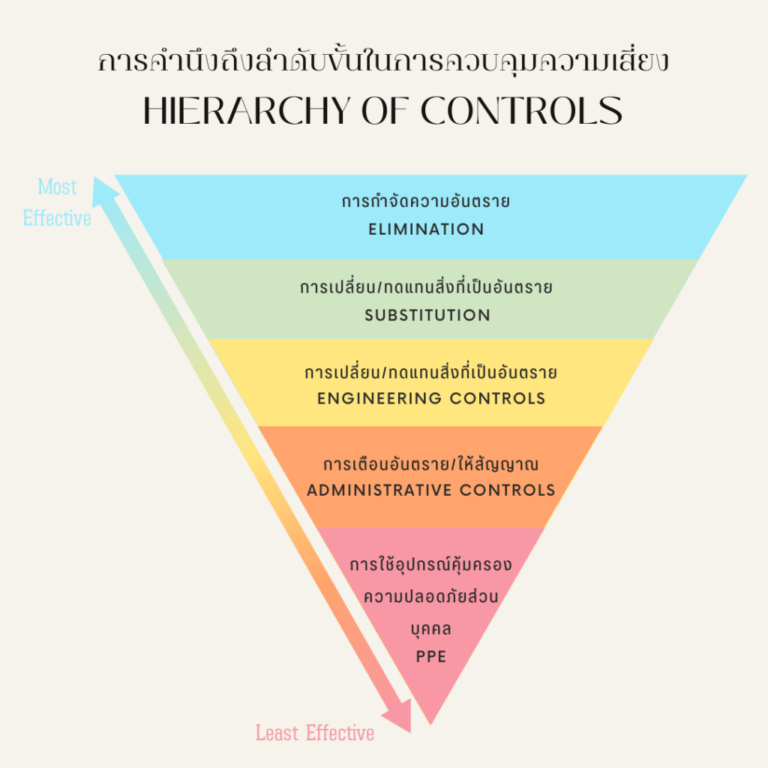
Findings from the hazard identification and risk assessments are utilized to define appropriate risk control measures in accordance with the hierarchy of controls, aiming to ensure the most effective preventive actions. In cases where workers identify potentially hazardous working conditions, personnel at all levels are encouraged to report risks and concerns to the SHE Committee at any time. Such reports are considered opportunities for system improvement and enhancement of the occupational health and safety management system.
Prioritization and Integration of Quantitative Target-Based Action Plans for Risk Mitigation
In the risk assessment process, AOT establishes a comprehensive risk evaluation matrix by identifying the source of hazard, the nature of the hazard, and its potential impacts. The severity and likelihood of each identified hazard are assessed using a structured scoring system to determine the overall risk level, categorized as L (Low), M (Medium), or H (High).
This risk level is then used to prioritize corrective actions. For risks assessed as medium or high, specific action plans must be developed, with clearly defined quantitative objectives. These may include enhancing preventive measures, employing appropriate protective equipment, or improving the working environment to reduce or eliminate risks.
Investigation of Incidents
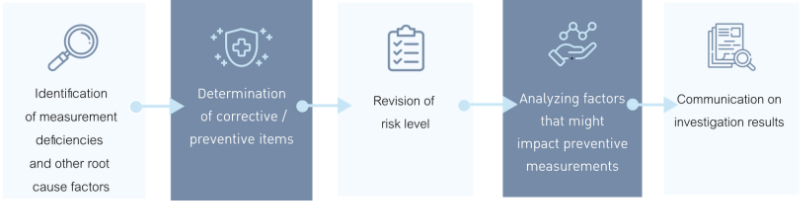
In the event of an incident, AOT has established the following incident investigation procedures, which cover work-related injuries, ill health, diseases and incidents:

Workplace Environmental Assessment
AOT conducts regular assessments of the working environment for its employees and workers. Responsible units for occupational health and safety, together with environmental departments at each airport, are tasked with inspecting and monitoring workplace conditions to ensure compliance with relevant occupational health, safety, and environmental laws and standards. The assessment covers various aspects of indoor environmental quality, including temperature, humidity, lighting, noise levels, particulate matter, and airborne bacteria and fungi.
Medical Services
AOT provides medical clinics and first aid rooms at all six airports, as well as at the Head Office, to offer initial medical treatment for employees and personnel working within AOT premises in cases of illness or injury occurring during duty. In addition, AOT arranges annual health check-ups and offers medical benefits to ensure that all employees maintain good health and receive proper care. These measures aim to promote quality of life and ensure consistent readiness for work.

Safety for Contractors and Contractor Selection
AOT has developed and disseminated safety regulations and manuals for contractors to ensure that work is carried out safely and in full compliance with applicable laws and standards. These guidelines help mitigate risks associated with contractor operations within AOT premises, reduce the likelihood of accidents, and prevent potential impacts. They also promote safety performance for all workers, including external contractors.
AOT has established a Standard Operating Procedure (SOP) for procurement and contractor control. This SOP outlines clear criteria and guidance for departments engaging contractors, with specific occupational health and safety requirements that must be followed when contracting services. It ensures compliance with occupational health and safety laws, ISO 45001:2018 standards, and the incorporation of sustainable practices. Such requirements are explicitly stated in the Terms of Reference (TOR), including conditions for safe contractor operations.
Furthermore, AOT ensures that safety requirements are communicated to all contractors before commencing any work. This includes a briefing on safety protocols to guarantee full compliance, minimize risks, and maintain a safe and standardized work environment.
Currently, contractors are required to submit monthly safety performance reports through AOT’s contractor safety information management system. AOT also inspects and verifies contractors’ work permits prior to the start of any operation within its premises.

Employee Health Care
Based on risk assessment results, AOT has implemented various projects and activities to promote employee health and safety, including continuous epidemic prevention. These initiatives include:
- Annual health check-ups
- Internal sports competitions organized by AOT
- Specialized training for high-risk workers
- Emergency preparedness programs
- Safety talk sessions within departments
- Ergonomics programs to improve workplace posture and reduce strain
Occupational Health, Safety, and Workplace Environment Inspections (Independent External Verification & Internal Inspections)
AOT places great importance on maintaining a safe and occupationally sound working environment, free from hazards and accidents, across all six airports and the Head Office. This principle is considered fundamental to airport operations, and all personnel working within AOT’s premises are required to comply accordingly.
Currently, AOT’s Occupational Health and Safety Management System has been fully certified under ISO 45001:2018 for both the Head Office and all six airports. This management system enhances the effectiveness of occupational health and safety operations in line with internationally recognized standards.
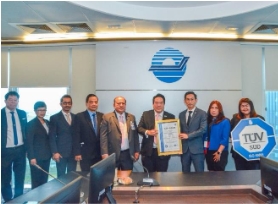
In addition, AOT conducts internal audits of its Occupational Health and Safety Management System in accordance with ISO 45001:2018. If any non-conformities are identified, corrective action plans are developed to improve safety, occupational health, and working environment management practices to ensure compliance with the standard.
Such actions are also aligned with the Occupational Safety, Health and Environment Act B.E. 2554 (2011), as well as relevant ministerial regulations and applicable laws. These efforts contribute to the continuous improvement of workplace safety management systems, ensuring a safe, standardized working environment consistent with international requirements.
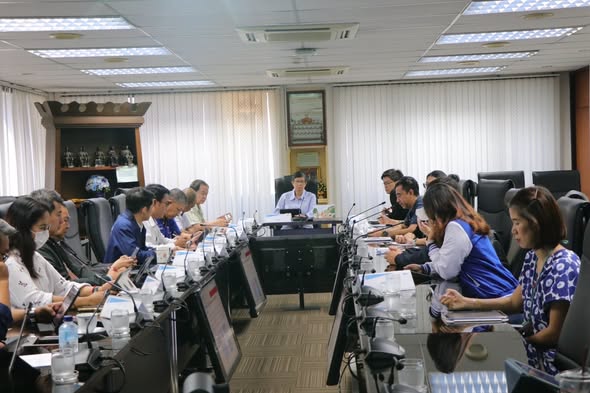
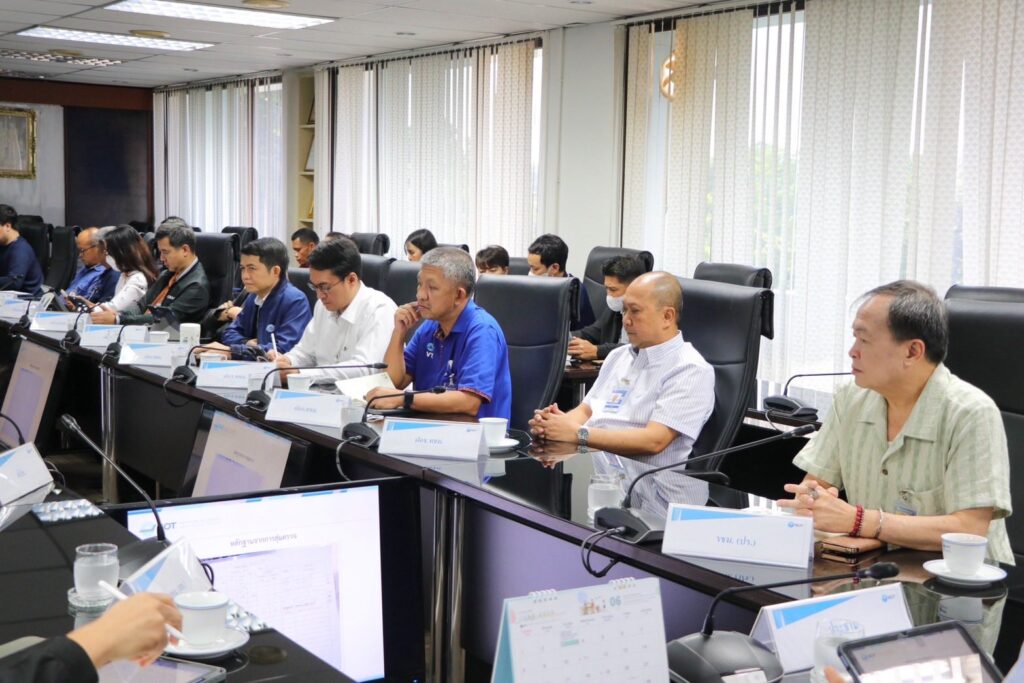
Regular meetings are held throughout the fiscal year to monitor progress against established targets (Evaluation of Progress Against Targets).

Performance
Training program for the course “Enhancing Front Line Potential in Basic Life Support Medical Assistance” For FY2025
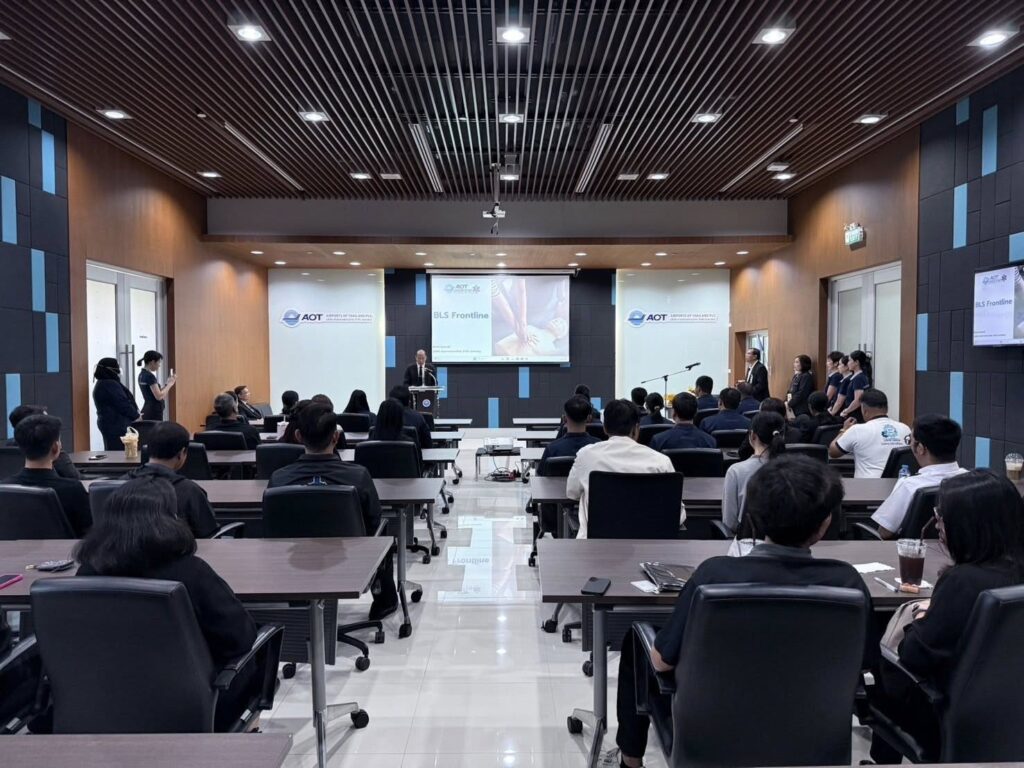
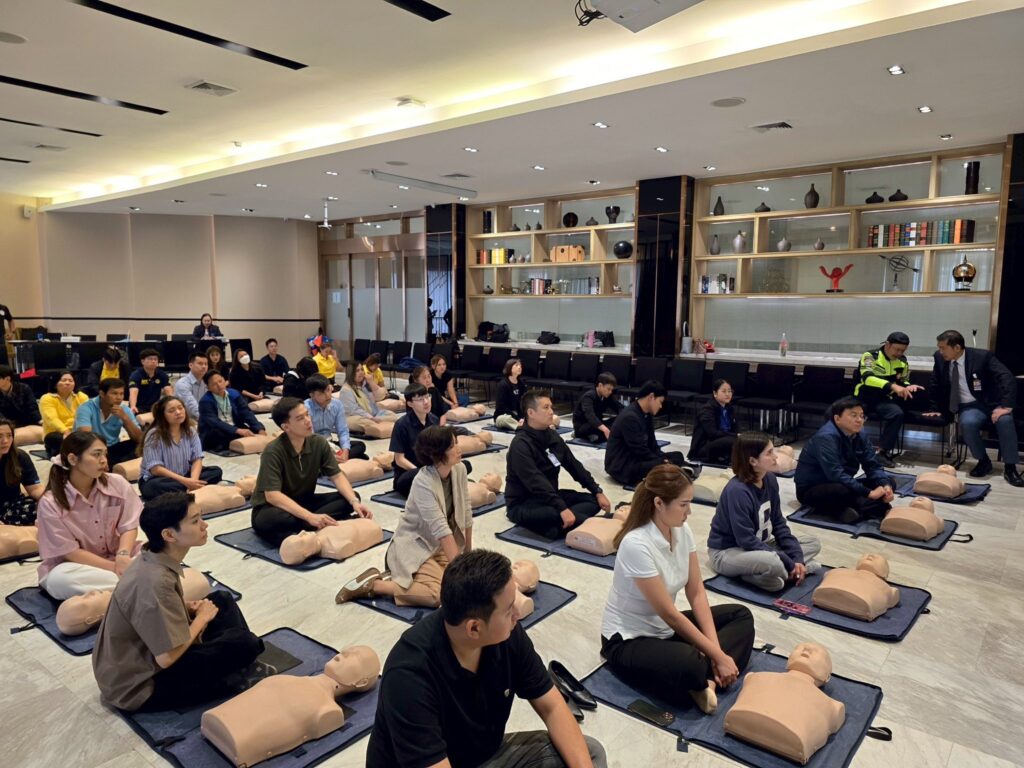
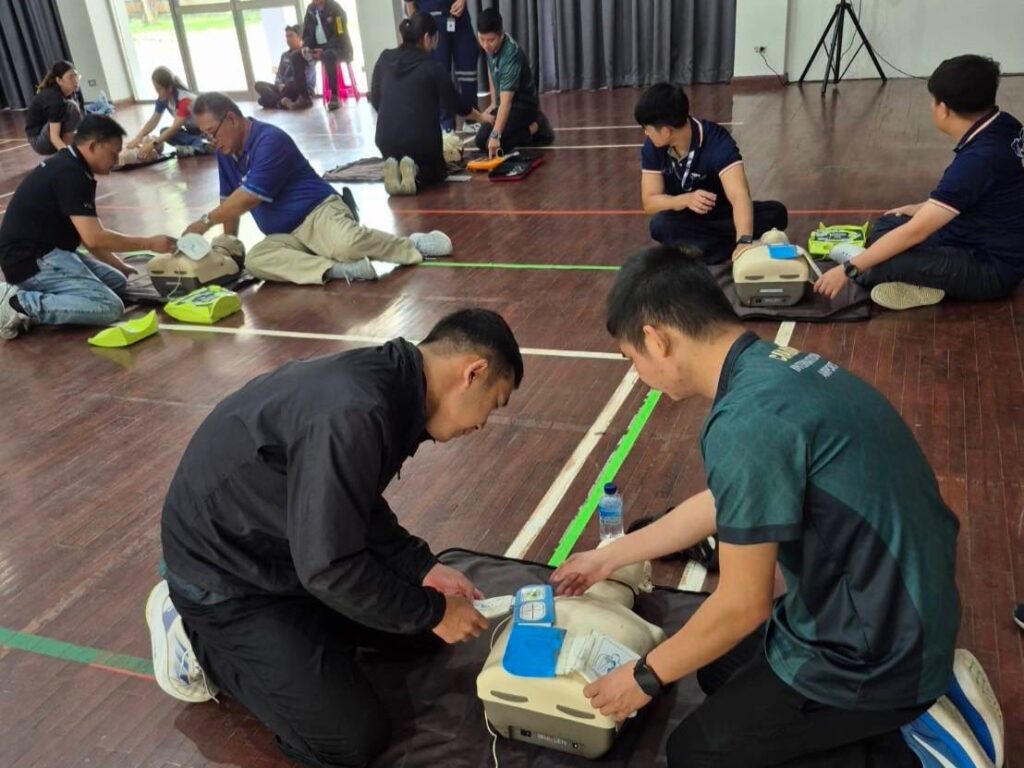
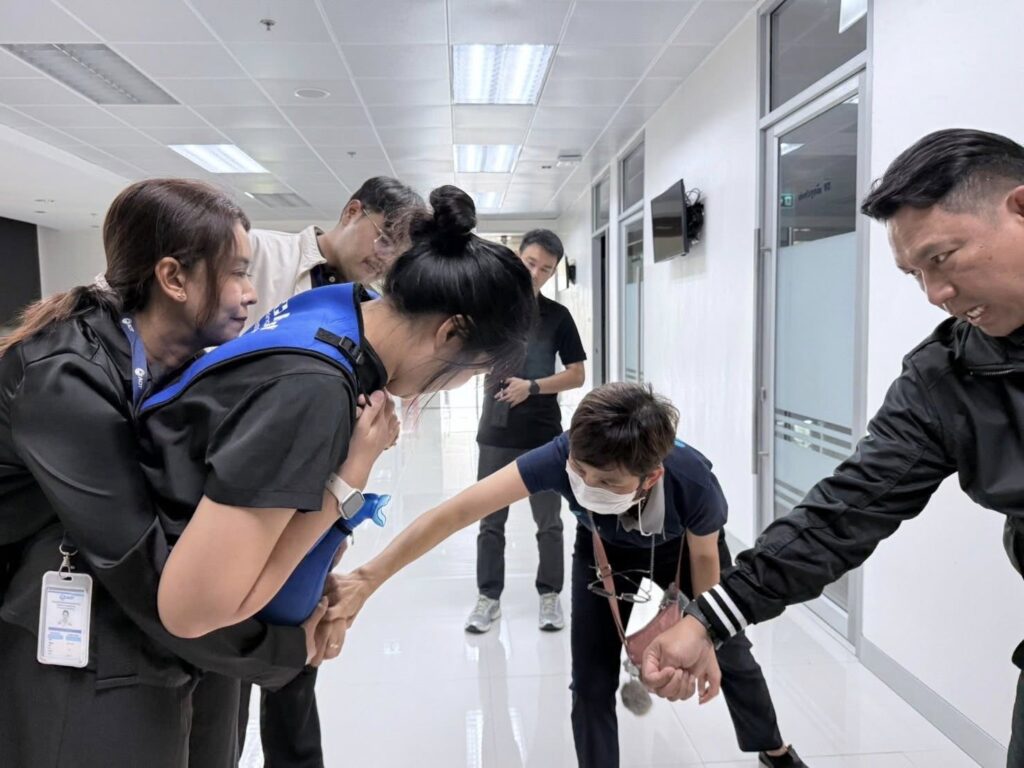
AOT is committed to continuously enhancing the emergency response capabilities of its personnel through annual training programs on Basic Life Support (BLS) and the proper use of Automated External Defibrillators (AEDs). The program aims to equip participants with the skills, knowledge, and confidence required to respond effectively and safely to emergency situations, particularly cases of sudden cardiac arrest. These efforts help increase the chances of survival for affected individuals while ensuring the safety of passengers, airport users, and AOT personnel, as well as strengthening the organization’s public image.
The Human Resources Development Department, in collaboration with the Medical Department, regularly conducts training sessions for AOT staff who directly interact with service users at the Head Office and all AOT-operated airports, including personnel from airlines. In 2025, a total of 713 participants completed the training, compared with 560 participants in 2024, demonstrating AOT’s continued commitment to fostering a safe and prepared working environment.
Employee Health and Safety Promotion Project
AOT produced a series of four health promotion video clips for all employees and workers, focusing on office syndrome. The objective is to raise awareness, promote health knowledge, and provide practical guidelines for personnel at the Head Office and all six AOT-operated airports. AOT expanded communication channels to ensure broader coverage by broadcasting the videos through desktop screens as part of the organization’s internal communication strategy.
Episode 1: Physical exercises for the prevention and relief of office syndrome symptoms.
Episode 2: Raising awareness and educating personnel to stop or avoid risky behaviors that may lead to office syndrome.
Episode 3: Strengthening muscles and body parts that are prone to office syndrome.
Episode 4: Introducing proper workplace arrangement methods based on ergonomic principles.
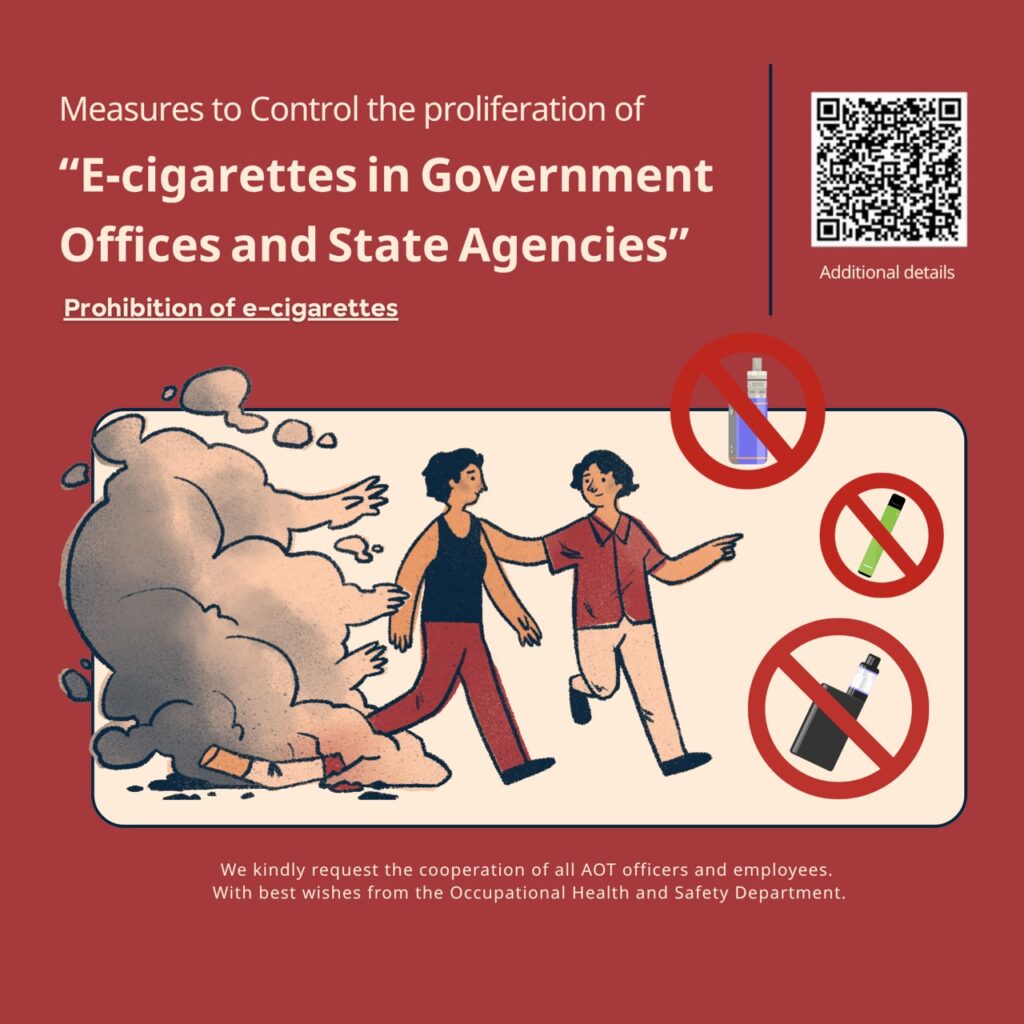
Well-being Promotion and E-cigarette Prevention and Control Measures in Government Offices and State Agencies
AOT reviewed information published by the Department of Disease Control and updated its internal practices in line with the Cabinet Resolution dated 25 February 2025, which emphasizes the acceleration of e-cigarette control measures and the strict enforcement of laws against manufacturers, importers, and sellers. These efforts aim to protect public health and safety, as well as maintain the service quality and reputation of airports. In addition, AOT has continuously and comprehensively communicated relevant regulations and legal penalties related to e-cigarettes to employees through the AOT Staff application.
Measures to Safeguard Employee Health and Safety During Epidemic Situations
In response to the widespread outbreak of COVID-19 across many countries, AOT—being a national infrastructure operator serving domestic and international passengers—was directly affected by the pandemic. To address this, AOT developed a dedicated Incident Management Plan for emerging diseases or serious epidemics. This plan serves as a framework and operational procedure to ensure continued airport operations while protecting all AOT employees and stakeholders.
Promotion of Occupational Health and Safety Culture
AOT promotes safety awareness and supports a strong safety culture within the organization by organizing training sessions and awareness campaigns. These include regular monthly workplace safety inspections by each department, and Safety Talks that encourage employees to engage in discussions on safety-related topics to foster knowledge-sharing. In addition, the Safety Day program raises awareness and encourages employee participation through interactive safety education booths, supported by safety communication materials and incentive giveaways for participants. To strengthen internal knowledge, AOT provides both new and current employees with fundamental safety training in accordance with legal requirements and International Civil Aviation Organization (ICAO) standards. This includes basic airport safety protocols, emergency response planning, fire drills, and supervision training for employees responsible for overseeing contractors.
Furthermore, in promoting a safety-first culture within airport operations, AOT requires all relevant contractors and business partners involved in safety and security operations to complete AOT-led safety training courses prior to beginning work.
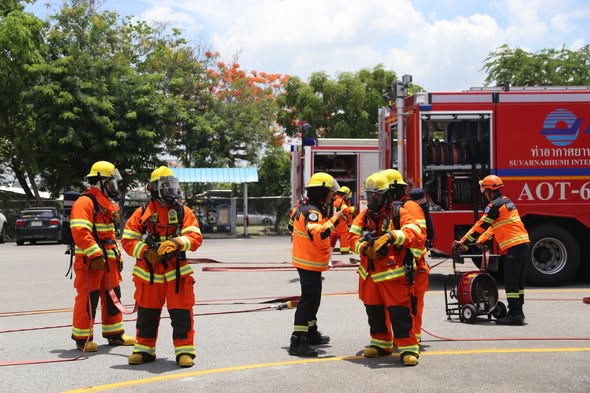
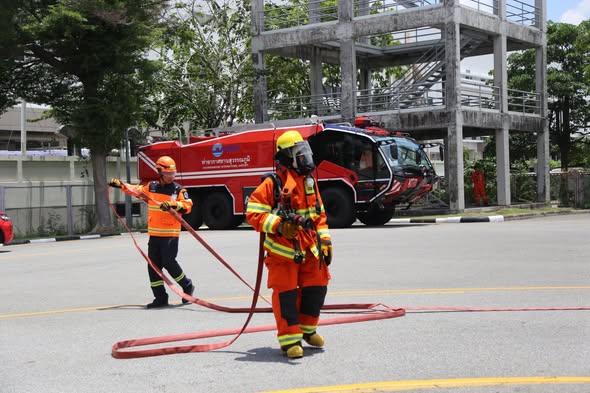
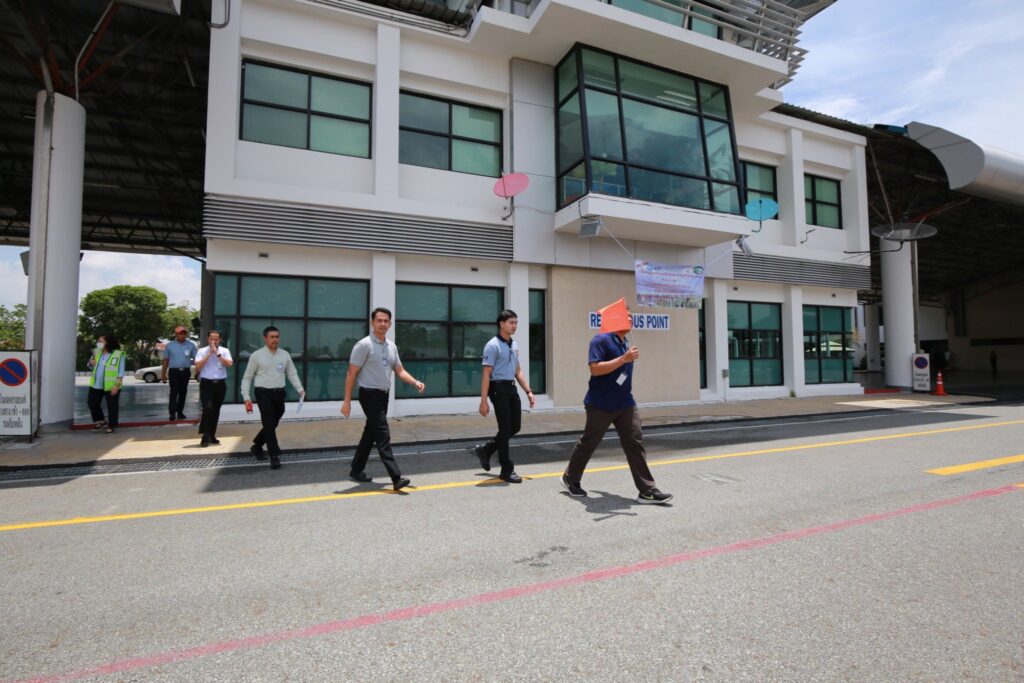
Fire Drill and Evacuation Training Program
AOT has implemented fire drill and evacuation training in accordance with its Fire Prevention and Suppression Plan, led by the Occupational Health and Safety Department. The objective is to prevent loss of life and property from fire incidents and to ensure that employees feel confident and safe in the event of a fire. These drills aim to minimize risks and losses, comply with legal requirements, and strengthen emergency preparedness. In addition, AOT regularly provides basic fire safety training for employees and conducts annual fire evacuation drills as mandated by law.
Work-Related Injury Statistics for Employees and Workers
AOT compiles and maintains statistics on occupational safety using two key metrics: the Lost Time Injury Frequency Rate (LTIFR) and the Lost Time Injury Severity Rate (LTISR). These indicators follow the methodology established by the American National Standards Institute (ANSI), covering both AOT employees and related contractors. The data is analyzed to identify root causes of incidents and used to develop risk mitigation plans and preventive measures. All reported statistics are subject to verification by a certification body in accordance with the ISO 45001:2018 standard prior to certification approval.
- LTIFR (Lost Time Injury Frequency Rate) = (Number of lost-time injury cases × 1,000,000) / Total working hours
- LTISR (Lost Time Injury Severity Rate) = (Number of lost workdays × 1,000,000) / Total working hours
In 2025, no work-related accidents resulting in lost-time injuries were recorded among employees and contractors operating within AOT’s premises. All contractors are subject to the same occupational health and safety requirements as AOT employees and are closely supervised throughout the duration of their work.
AOT places the highest priority on airport safety and security by implementing stringent safety measures in alignment with the recommendations and international standards of the International Civil Aviation Organization (ICAO), as well as the framework and requirements of ISO 45001. These measures are intended to reinforce confidence among passengers, service users, and all stakeholder groups.
In addition, AOT conducts performance monitoring by benchmarking against global peers. In 2025, AOT maintained a Lost Time Injury Frequency Rate (LTIFR) of 0.28, while the corresponding figures among peer organizations ranged from 0.30 to 4.82
| Indicator | Performance | Target | Industry Standard |
|---|---|---|---|
| Lost Time Injury Frequency Rate (LTIFR) | 0.28 | 0 | 0.3 - 4.82 |
| Lost Time Injury Severity Rate (LTISR) | 4.73 | 0 | - |
Evaluation of Occupational Health and Safety (OHS) Management
AOT conducts regular assessments of its occupational health, safety, and working environment management through internal audits, carried out by the Occupational Safety and Health Division, Aerodrome and Aviation Standards Department, and the Occupational Health and Safety Committee. External audits are also conducted by independent organizations to assess compliance with the ISO 45001:2018 standard. Safety statistics and audit outcomes are regularly reported to AOT’s senior management for review and for determining further improvement measures. In addition, AOT discloses its OHS performance publicly through its annual sustainability report.