
Background and Rationale
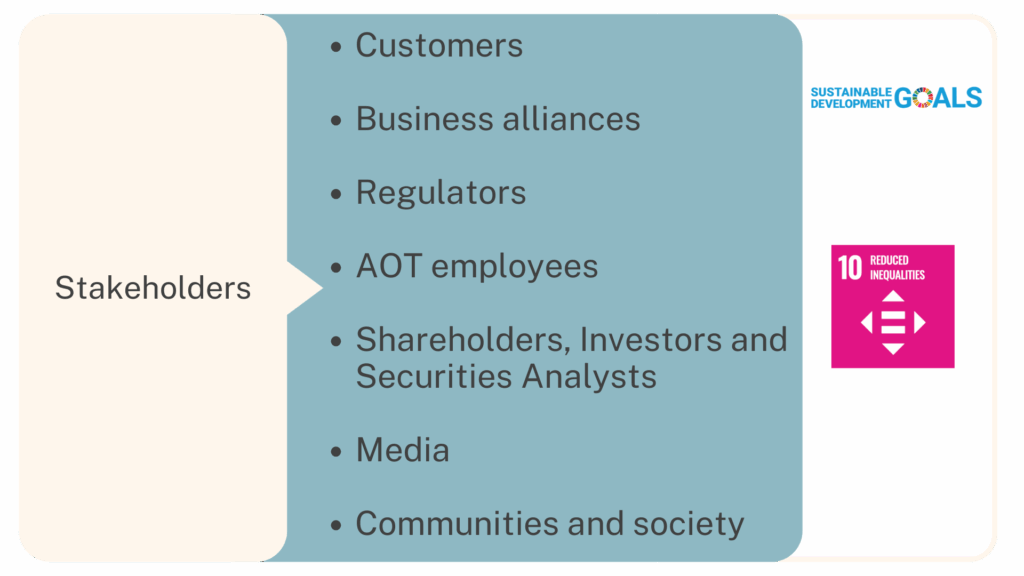
AOT’s business operations throughout the entire value chain—from upstream to downstream—may harbor inherent human rights risks that impact all stakeholder groups. These include AOT employees and staff, suppliers and contractors, operators and airlines, customers, communities, society, and the media. Potential risks encompass issues such as life and health safety, unfair employment conditions, discrimination and harassment, freedom of association, personal data protection, and the impact of infrastructure development on the community’s quality of life.
As a state-owned enterprise under the supervision and scrutiny of the government, investors, and the public, respecting human rights—specifically regarding labor, contractor management, and equitable service delivery—is a critical factor influencing the organization’s reputation, credibility, and sustainability.
Consequently, AOT prioritizes conducting business based on international human rights principles. We integrate human rights considerations into our corporate management system through risk assessment processes and the establishment of measures to prevent, mitigate, and remediate both direct and indirect impacts. By continuously monitoring performance, we aim to reduce social and legal risks while elevating organizational standards in the long term
Impacts from Business Operations
The integration of human rights principles into AOT’s business processes is a factor that directly impacts operational continuity and organizational competitiveness. Providing inclusive services for all passenger groups enhances traveler satisfaction, mitigates potential future risks, and effectively protects the corporate image.
Furthermore, fostering an equal, safe, and non-discriminatory work environment is essential for empowering personnel—AOT’s primary resource—by driving their potential, efficiency, and
organizational engagement. These practices also increase access to capital, bolster investor confidence,and contribute positively to the organization’s long-term economic sustainability.
Challenges and Opportunities
AOT’s human rights operations face challenges that require prudent management, particularly in supply chain oversight. This area is highlycomplex and involves a large number of business
partners, necessitating effective monitoring mechanisms to ensure that all parties strictly comply with human rights standards.
Striking a balance between investing in higher human rights standards and maintaining cost controls is a challenge that demands comprehensive consideration. Meanwhile, reputational risks arising from potential rights violations can spread rapidly through media and social platforms, which may significantly impact overall trust.
Nevertheless, these challenges bring about opportunities to create competitive differentiation. Elevating human rights standards can build passenger confidence and satisfaction.
Concurrently, fostering community collaboration through quality-of-life and education development projects helps reduce conflict and establishes long-term trust between the airport and its surrounding
communities.
Commitment and Related Policies, Regulations, and Standards
AOT is committed to conduct business in accordance with its Human Rights Policy, established since 2018. This policy aligns with the United Nations Guiding Principles on Business and Human Rights (UNGPs), international human rights instruments, the International Covenant on Civil and Political Rights (ICCPR), the International Covenant on Economic, Social and Cultural Rights (ICESCR), and the core labor conventions of the International Labour Organization (ILO). It also adheres to Ruggie’s Framework (Protect, Respect, and Remedy), as well as AOT’s Sustainable Supplier Guidelines and Code of Ethics.
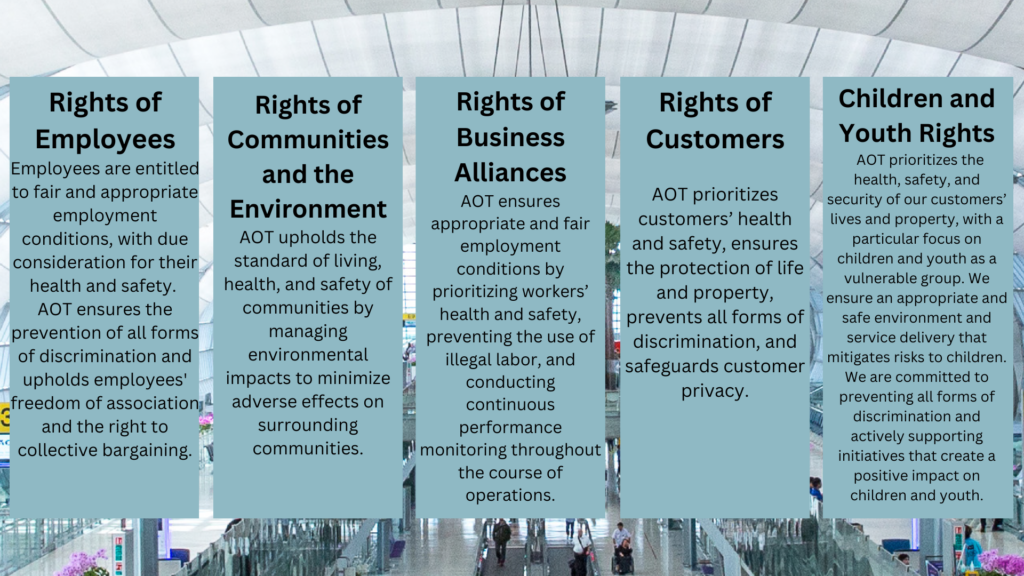
The policy covers the rights of employees, communities and the environment, business partners, and customers within AOT’s own operations, as well as contractors and Tier-1 suppliers, and subsidiaries and joint ventures where AOT does not have management control. AOT is committed to preventing human rights violations across various issues, such as human trafficking, forced labor, child labor and children’s rights, discrimination, the right to collective bargaining, and equal remuneration. Furthermore, AOT promotes Diversity, Equity, Inclusion, and Belonging (DEI&B), encompassing gender, race, nationality, religion, sexual orientation, persons with disabilities, and vulnerable groups.
AOT is dedicated to preventing human rights abuses by promoting grievance mechanisms and establishing remedial measures in the event of a violation. This ensures that AOT’s business is conducted responsibly and fairly for all stakeholders. To ensure widespread awareness, AOT communicates its Human Rights Policy to all employees via internal circulars and the intranet, as well as to customers and business partners under its responsibility.
Relevant Policies, Regulations, and Standards
AOT has established its Human Rights Policy to demonstrate a steadfast commitment to respecting, protecting, and preventing human rights violations across all operational processes. The organization is dedicated to eliminating all forms of human rights abuses, including: Human Trafficking, Forced Labor and Child Labor, Discrimination, Freedom of Association and Collective Bargaining,and Equal Remuneration
Furthermore, AOT prioritizes fair treatment and embraces Diversity, Equity, Inclusion, and Belonging (DEI&B). We value individuals regardless of gender, race, nationality, religion, sexual orientation, disability, or vulnerability.
To ensure responsible and equitable business practices, AOT actively monitors working conditions to safeguard employee health and safety, promotes effective grievance mechanisms, and defines clear remedial measures in the event of human rights violations. This ensures that our operations remain accountable and fair to all stakeholders.
Category 1
International Standards and Frameworks
- United Nations Guiding Principles on Business and Human Rights (UNGPs)
- UNGPs’ three pillars: Protect, Respect, and Remedy, as established by the Ruggie Framework, outline state duties, business responsibilities, and access to remedies.
Category 2
International Human Rights Instruments
- Core International Human Rights Instruments
- International Covenant on Civil and Political Rights (ICCPR)
- International Covenant on Economic, Social and Cultural Rights (ICESCR)
- Fundamental Conventions on Labour Rights of the International Labour Organisation (ILO)
Category 3
AOT's Human Rights Policies
- Human Rights Policy
- AOT Supplier Sustainable Code of Conduct
- Regulations of the State Enterprise Workers’ Union of Airports of Thailand Public Company Limited
Goals and Performance
Risk Assessment, including:
Management Control
in 2025
Management Approach
Management Structure
Human Rights Due Diligence
Airports of Thailand (AOT) consistently conducts Human Rights Due Diligence (HRDD) and reviews the results annually in accordance with the United Nations Guiding Principles on Business and Human Rights (UNGPs). Our framework comprises five essential steps:
Policy Commitment: Announcing human rights policies.
Impact Assessment: Assessing human rights risks and impacts.
Integration: Integrating assessment results into internal management.
Monitoring & Reporting: Tracking performance and reporting outcomes.
Remediation: Implementing mitigation and tracking grievance mechanisms.
Furthermore, meetings are organized annually or whenever significant issues arise that require joint discussion with AOT, serving as a mechanism to promote collective bargaining between employers and employees
Human Rights Complaint Process
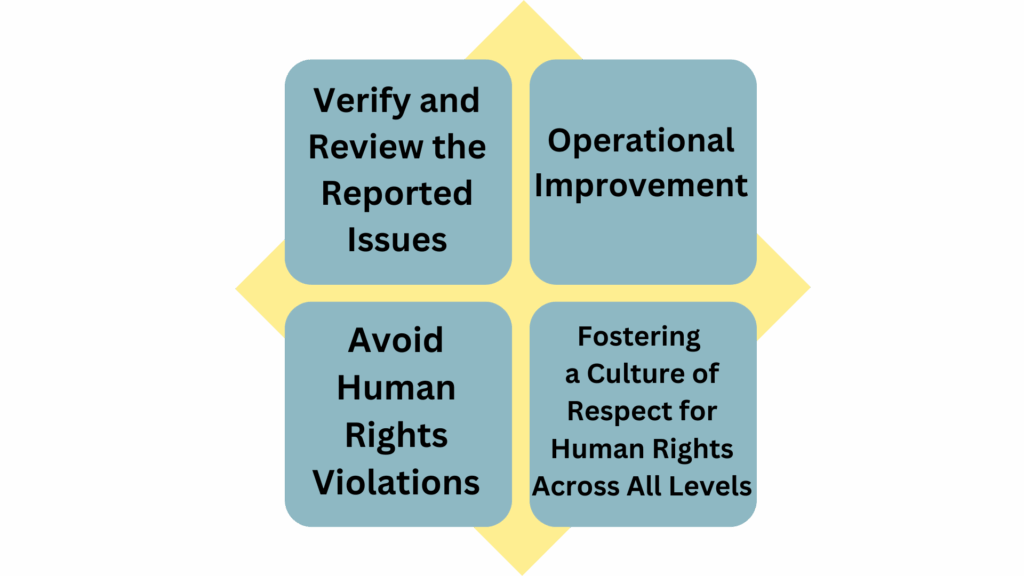
AOT evaluates its risk management performance through continuous internal audits and complaint monitoring, with regular reports submitted to the Corporate Governance Committee and senior management. The organization has established accessible channels for human rights complaints and feedback for all stakeholders. These channels are supported by a systematic, transparent, and accountable grievance process. This ensures that every reported issue is thoroughly investigated, with appropriate and timely corrective actions taken. Our core principles include investigating reported issues, improving operations, avoiding human rights violations, and promoting a broad culture of respect for human rights.
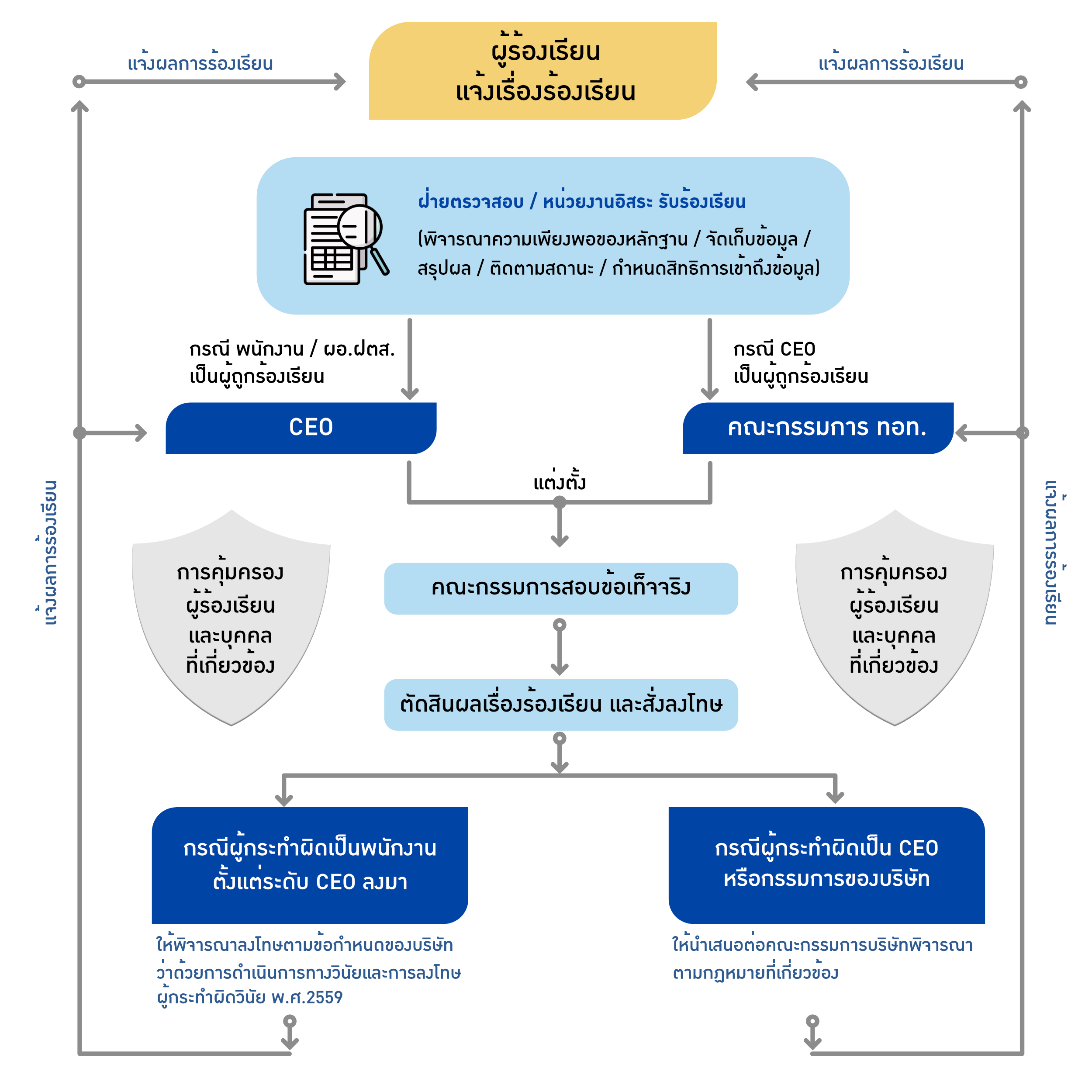
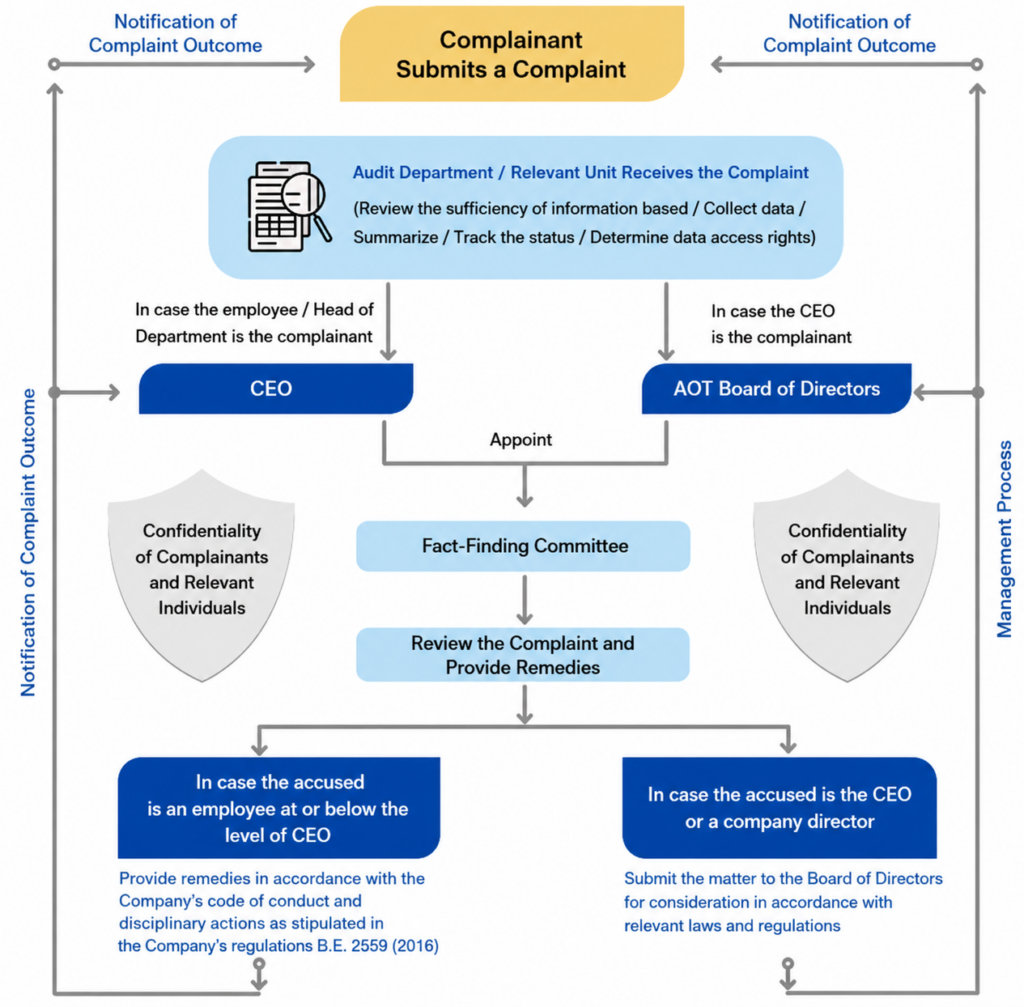
Upon receiving a complaint, the responsible department will verify the sufficiency of the information, gather facts, and systematically track the status of the grievance. In cases where the complaint involves an employee or senior executive, the matter will be reviewed by the appropriate authorities, and a fact-finding committee may be appointed to ensure fairness and independence.
Should the investigation reveal that AOT has caused or contributed to a human rights violation, AOT is committed to taking appropriate remedial and corrective actions to mitigate the impact and prevent recurrence, keeping the affected parties as the top priority. This grievance mechanism is an integral part of embedding human rights principles into AOT’s operations and serves as a vital tool for building sustainable trust, transparency, and collaboration with all stakeholder groups.
Grievance Channels
- Suggestion and Feedback Boxes located at the Head Office and all six AOT-operated airports.
- Postal Mail addressed to the AOT Board of Directors, President, or Director of the Office of Internal Audit, sent to:
P.O. Box 3, Don Mueang Post Office, Bangkok 10211
- AOT Contact Center: 1722
- AOT Website: www.airportthai.co.th under the “Contact & Complaints” section or via the online chat service
- Corporate Communications Department
Email: aotpr@airportthai.co.th
AOT provides human rights grievance and feedback channels accessible to all stakeholder groups through a systematic and transparent management process. This ensures that every issue reported is thoroughly investigated, leading to continuous operational improvements. AOT is committed to preventing and avoiding human rights violations while actively promoting the respect for human rights to build trust and foster cooperation with stakeholders at all levels.
Once a complaint is received, AOT follows a systematic process: receiving the grievance, classifying the issue, and forwarding it to the relevant departments for action. The complainant will be notified of the results within 15 days, and a summary report will be submitted to executive management.
Multiple channels are available for submitting complaints, including: Online platforms,Telephone,Email and Physical suggestion boxes.
Furthermore, AOT maintains clear procedures for handling corruption cases, such as appointing investigative committees, initiating disciplinary actions, and implementing preventive measures to ensure non-recurrence.
Remediation Guidelines for Human Rights Violations
AOT has established remedial measures for cases of human rights violations, supported by continuous monitoring and reporting of human rights performance. Should a violation be identified, AOT will take immediate action to rectify the situation and provide remediation. Examples of such measures include severance pay in cases of employment termination and workers’ compensation for work-related injuries or accidents.
ILO Core Labour Standards
- Promote good relations between employees and the employer, as well as among employees themselves.
Review and assist members regarding grievances related to benefits.
Safeguard and protect the rights and benefits of employees.
Uphold and promote the democratic regime of government with the King as Head of State.
Collaborate and cooperate to enhance efficiency and protect the interests of AOT.
Seek and protect interests concerning the terms and conditions of employment.
Universal Design for Airport Accessibility and Safety
To cater to diverse passenger needs, we prioritize specific requirements for each group:
- Infants and Young Children: Require safe environments with fall protection and movement-appropriate equipment.
- Elderly: Focus on balance and mobility with level flooring, slip-resistant surfaces, and facilities like handrails.
- Individuals with Mobility Impairments: Require wide spaces for wheelchairs, ramps with appropriate gradients, and clear signage.
- Wheelchair Users: Need ramps with manageable slopes, sufficient maneuvering space, and easily accessible amenities.
- Visually Impaired: Benefit from tactile paving (detectable warning surfaces), braille/embossed signage, and audio information.
- Hearing Impaired: Require visual cues, text displays, or symbolic signage, along with noise-reducing design elements.
- Cognitive Impairments: Need simplified information through illustrations, icons, and organized layouts.
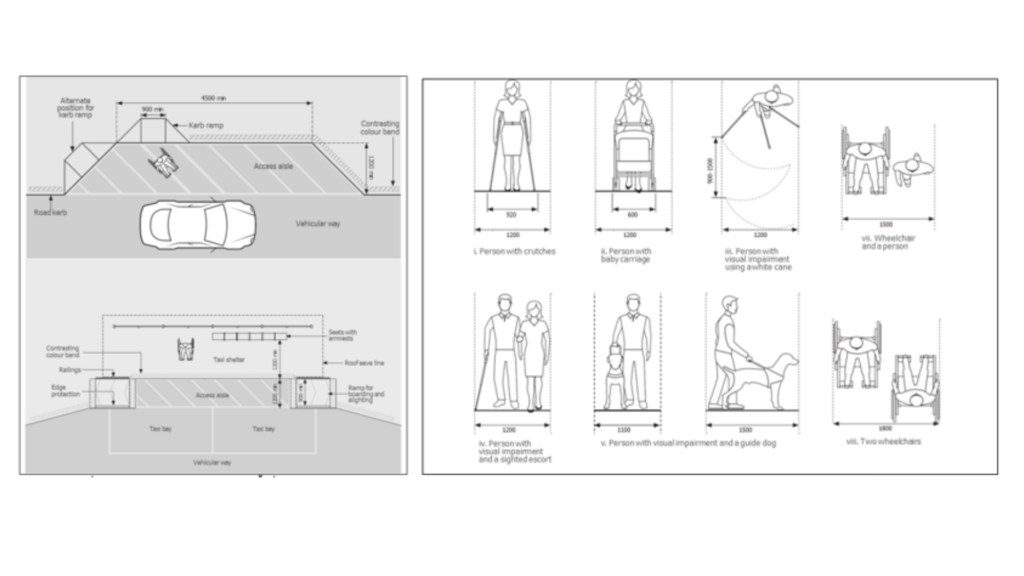
AOT applies Universal Design (UD) principles across various airport sections to ensure accessibility for all passengers, focusing on the following key areas:
1. Space and Accessibility
Walkways and Ramps: Level surfaces without steps, integrated with standardized ramp gradients and non-slip flooring.
Elevators and Escalators: Strategically located for easy access, featuring low-level control panels and audio announcements for visually impaired passengers.
Public Restrooms: Dedicated accessible toilets, baby care rooms, and elderly-friendly facilities to accommodate all user groups.
Pick-up and Drop-off Zones: Designated wheelchair-accessible areas located near entrances/exits, equipped with clear signage and safe surface materials.
2. Navigation and Signage Systems
A multi-modal approach is utilized, integrating color-coding, lighting, audio signage, and tactile walking surface indicators (TWSIs). Features such as audible pedestrian signals at crosswalks and tactile signals at intersections assist visually impaired passengers and those unfamiliar with the layout to navigate safely and conveniently.
3. Safety and Emergency Systems
Ensuring safety for all, particularly those with limited mobility. Emergency exits are designed for easy access and equipped with synchronized audio-visual alarms. Fire safety is enhanced through fire-resistant materials (e.g., fire-rated walls) and automatic fire suppression systems.
4. Spatial Utility and Versatility
The airport provides diverse functional areas for transit waiting, relaxation, and productivity. Modular furniture allows spaces to be flexibly adapted into Co-working zones or relaxation lounges based on passenger needs.
5. Cultural Diversity and Inclusivity
Design and services respect cultural differences through facilities such as gender-segregated prayer rooms and a wide range of dietary options, including Halal, Vegan, and Vegetarian meals. Multilingual signage is also implemented to ensure a safe and welcoming environment for global travelers.
6. Inclusive Rest Areas
Providing dedicated spaces tailored to different needs, such as quiet zones, ergonomic seating, and clearly visible safe play areas for children. These facilities ensure that all passengers can rest comfortably while waiting for their flights.
Human Rights Due Diligence Performance
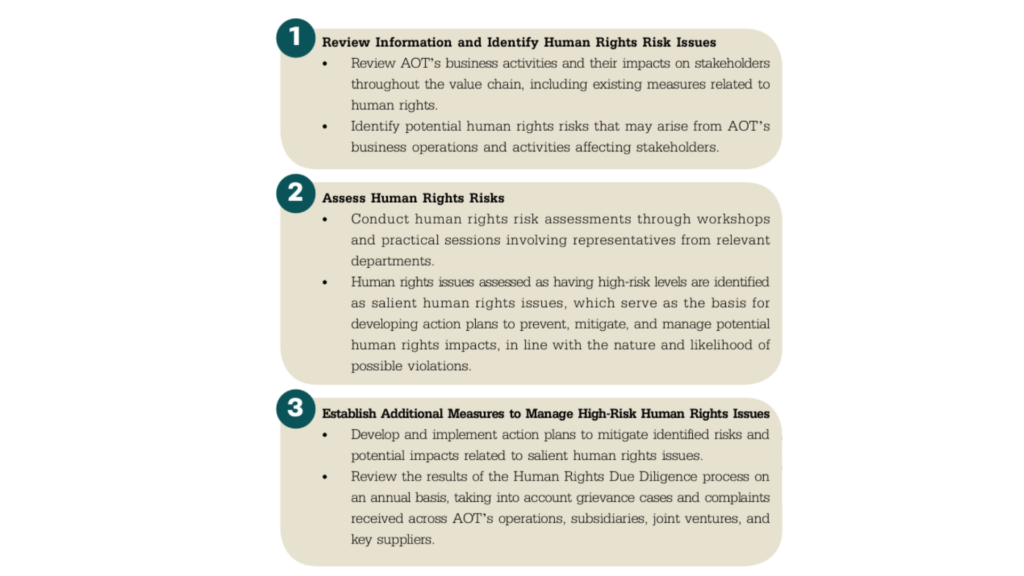
AOT conducts a comprehensive Human Rights Due Diligence (HRDD) process covering its entire value chain, including Own Operations, Subsidiaries, and Joint Ventures (without management control), as well as Contractors and Tier 1 Suppliers. These activities are carried out continuously and reviewed as appropriate to identify human rights risk issues, assess impacts, and develop additional mitigation measures for significant risks. The comprehensive human rights risk and impact assessment process is divided into three main steps as follows:
Master Plan
AOT has reviewed the Sustainable Development Master Plan for Fiscal Years 2024 – 2028 (Revised FY2025).
Under Strategy 3: Stakeholder Engagement, the focus is on conducting comprehensive Human Rights Due Diligence across the entire supply chain (100%). This is achieved through the Human Rights Risk Assessment Project, which aims to mitigate potential risks throughout the supply chain.
Roles and Responsibilities
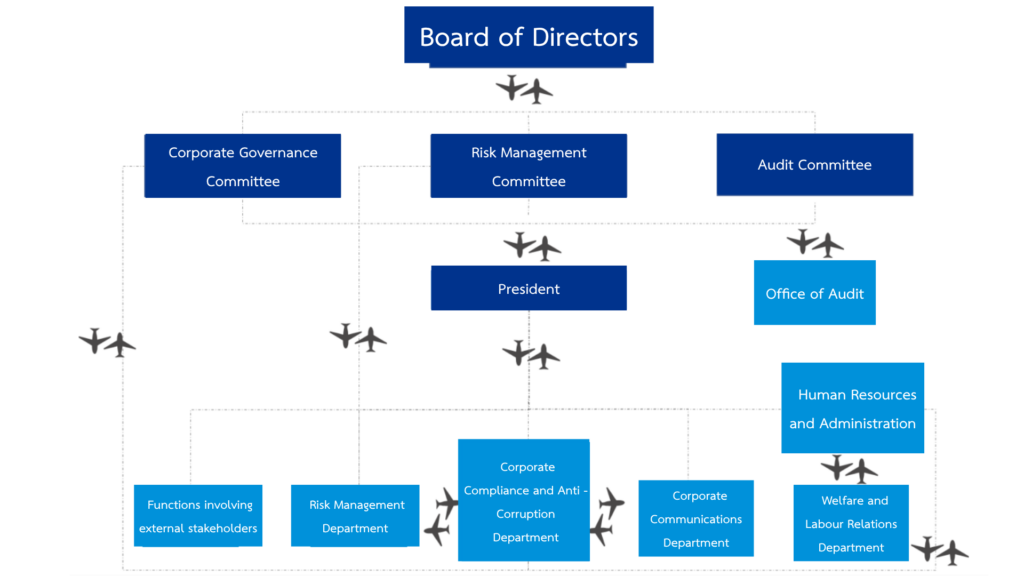
AOT Corporate Governance Committee
Oversees human rights operations, including the approval of Human Rights Policies. The committee also monitors performance based on the results of Human Rights Due Diligence (HRDD) to ensure alignment with international standards and organizational guidelines.
Human Resources and Administration Corporate Strategy (Supporting Units)
Manage and mitigate human rights risks across the entire value chain by conducting and reviewing Human Rights Due Diligence (HRDD). Their responsibilities include managing human rights grievances, developing preventive measures, and providing human rights training in accordance with international standards.
AOT has assigned the Human Resources and Administration Steering Line, in collaboration with the Strategy Steering Line, to be responsible for managing human rights risks across the entire value chain. These units are also tasked with allocating resources for day-to-day operations under the supervision of the AOT Corporate Governance Committee, guided by the following key principles:
Operational Plan for FY2025
Reviewing and Announcing Human Rights Policies: Ensuring policies are up-to-date and officially communicated.
Defining the Scope of Human Rights Risk and Impact Assessments: Establishing the boundaries and focus areas for evaluation.
Developing a Human Rights Risk Register: Creating a comprehensive record of identified risks.
Conducting Human Rights Risk and Impact Assessments (HRIA): Evaluating AOT’s specific risks and potential impacts.
Mitigating Risks, Establishing Preventive Mechanisms, and Defining Remediation Guidelines: Taking action to reduce risks and setting protocols for compensation or correction.
Raising Human Rights Awareness Among Stakeholders: Promoting understanding and sensitivity toward human rights issues.
Monitoring and Engaging with Stakeholders to Reduce Risks and Impacts: Maintaining ongoing dialogue to minimize human rights concerns.
Managing Human Rights Grievance Mechanisms: Overseeing the channels through which complaints and concerns are reported and addressed.
In 2025, AOT conducted a review of Human Rights Risk and Impact Assessments based on the results of the Human Rights Due Diligence (HRDD) performed in 2024. The findings remained consistent with the previous year. The assessment covered AOT’s Own Operations, Contractors & Tier 1 Suppliers, and Joint Ventures without Management Control. The review focused on four primary rights-holder groups: Customers, Partners and Contractors, Communities and Society, and AOT Personnel. This included a focus on vulnerable groups, such as pregnant women, children, persons with disabilities, ethnic groups, migrant workers, third-party contracted labor, and the LGBTQI+ community.
Furthermore, as international human rights frameworks and practices are relatively new concepts for all stakeholder groups, raising human rights awareness—such as fundamental human rights, as well as the potential benefits and risks to AOT and its stakeholders—is of paramount importance. These initiatives are crucial for AOT to elevate its operations and foster a culture of equality in the future.
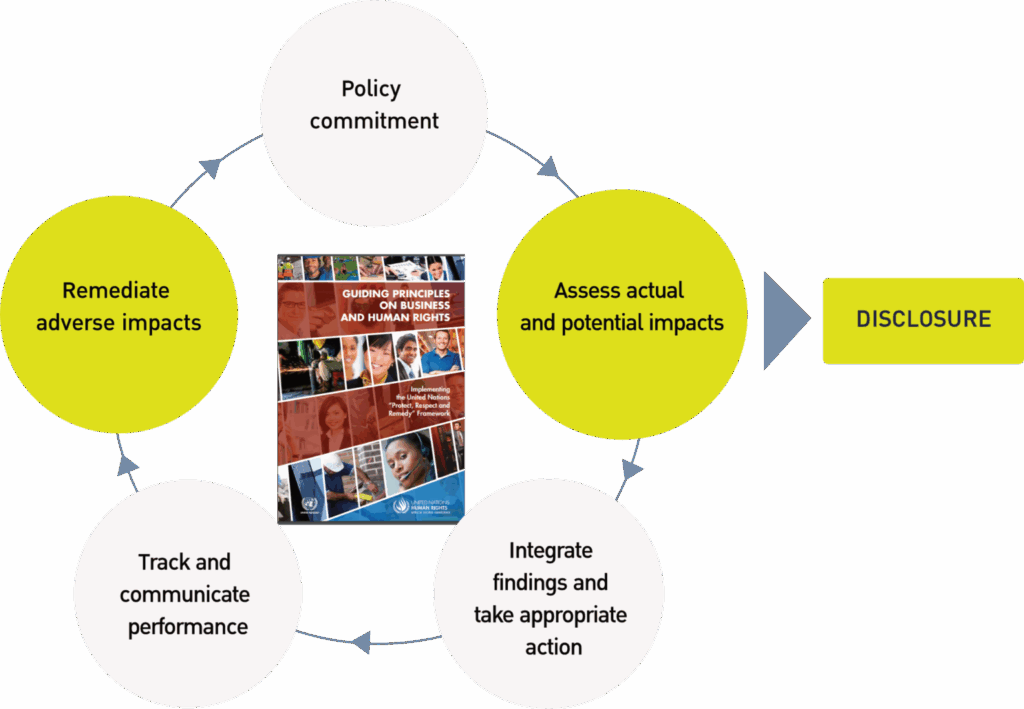
AOT consistently conducts Human Rights Due Diligence (HRDD), reviewing the audit results every three years and performing human rights risk assessments annually. Our framework aligns with the United Nations Guiding Principles on Business and Human Rights (UNGPs), which comprises five key steps:
Policy Commitment: The announcement of human rights policies.
Impact and Risk Assessment: Assessing human rights risks and potential impacts.
Integration: Integrating assessment results into internal management and operations.
Monitoring and Reporting: Tracking performance and reporting outcomes.
Remediation: Implementing measures to mitigate and remedy impacts.
AOT prioritizes transparency in disclosing due diligence results to build stakeholder confidence and promote sustainable business practices that respect human rights.
AOT evaluates its human rights risk management through internal audit processes and continuous monitoring of human rights risks. Furthermore, grievance tracking is conducted to provide regular reports to the Corporate Governance Committee and Senior Management. AOT also mandates periodic reviews of its human rights policies and procedures to ensure alignment with emerging trends and shifting risk landscapes, enabling the implementation of effective preventive measures.
In addition, AOT has established labor rights management guidelines rooted in transparency and compliance with both national labor laws and international standards to foster a fair and safe working environment. These guidelines encompass the AOT Labor Promotion Project, which aims to promote quality employment and decent work. The focus is on preventing labor rights violations and implementing systematic management to mitigate risks that could impact organizational efficiency and trust. Key initiatives include ensuring equal pay, providing social protection systems, and promoting a safe and appropriate working environment. These frameworks provide the organization with essential tools for the ongoing monitoring and improvement of labor practices, ensuring consistency with global standards and building stakeholder confidence.
Labour Risk Assessment
AOT systematically conducts labor and human rights risk assessments in accordance with Human Rights Due Diligence (HRDD) principles. This process is designed to identify, prevent, mitigate, and monitor potential labor risks arising from business operations, covering both new projects and existing operations.
The outcomes of the HRDD process are utilized to enhance labor management practices and communicate expectations to relevant internal departments and business partners. Furthermore, these results guide the development of appropriate preventive and remedial measures for labor impacts, ensuring they remain consistent with AOT’s business context.
| Risk Assessment for New Projects or Activities | Risk Assessment in Normal Operating Processes |
|---|---|
|
For new projects, new investments, or operational changes that may impact labor within a 1-3 year timeframe, AOT incorporates labor and human rights risk considerations from the initial project planning stages. This ensures that preventive measures or appropriate conditions can be established before operations begin, covering key issues such as:
|
For existing operations, AOT conducts ongoing labor risk assessments by integrating them into the Enterprise Risk Management (ERM) system and human rights processes, which include:
|
Embedding Human Rights into Practice
AOT prioritizes the concrete implementation of human rights obligations by integrating human rights principles into operational processes, policies, and relevant practices throughout the organizational value chain.
Communicating Human Rights Expectations
AOT continuously communicates its human rights policies and expectations to all relevant stakeholders, including employees at all levels, suppliers, contractors, and business partners. This ensures that stakeholders understand their roles and responsibilities in respecting human rights throughout AOT’s business operations. Communication is conducted through various channels, such as:
Internal organizational regulations and requirements.
AOT’s Supplier Sustainable Code of Conduct.
Meetings, briefings, and awareness-raising activities.
Furthermore, AOT’s Supplier Sustainable Code of Conduct explicitly integrates human rights issues, requiring suppliers, contractors, and business service providers to adhere to human rights principles and business ethics throughout the supply chain. This applies to procurement processes, service delivery, and airport operations. Key human rights-related mandates include:
Respecting the dignity and human rights of labor and stakeholders.
Prohibiting discrimination, forced labor, and child labor.
Ensuring fair and safe treatment of workers.
Complying with labor laws and other relevant legislation.
Conducting business with integrity, transparency, and without involvement in corruption or rights violations.
AOT communicates these expectations to suppliers via the Supplier Sustainable Code of Conduct, which serves as a benchmark for the selection, evaluation, and performance monitoring of business partners. This ensures that the operations of both AOT and its partners consistently align with human rights principles.
Human Rights Knowledge Development and Training
AOT strengthens human rights knowledge, understanding, and awareness among employees through training sessions, lectures, and internal communications. The curriculum covers human rights principles, business ethics, anti-discrimination, and the fair treatment of stakeholders. These initiatives aim to empower employees to integrate human rights principles into their daily operations, supporting AOT’s business conduct in alignment with sustainable international human rights standards.
Labor Issue Management Initiatives
AOT implements proactive measures to prevent and manage potential labor issues arising from its business operations. This commitment extends to AOT’s own personnel as well as contracted workers and business partners. These actions ensure that all operations respect labor rights and remain strictly compliant with relevant laws and international human rights standards.
Furthermore, AOT communicates its expectations regarding the prohibition of child labor to contractors and business partners, requiring them to strictly adhere to labor rights requirements and labor legislation.
This approach aims to support a decent quality of life for employees and strengthen long-term labor stability.
Diversity, Equality, Inclusion, Belonging
AOT firmly believes that workforce diversity is a vital foundation for sustainable organizational development. We are committed to fostering a work environment that respects human dignity, promotes openness, and provides equal opportunities for all employees. AOT strictly prohibits discrimination based on personal differences, including race, religion, gender, age, sexual orientation, disability, or nationality. By adhering to our human rights policy and corporate governance principles, we strive to build an organizational culture where everyone can thrive, collaborate, and contribute to driving the organization to its full potential.
Diversity: Recognizing and valuing differences across multiple dimensions, such as gender, age, race, religion, ability, nationality, and experience.
Equity: Creating fairness to ensure everyone has equal access to opportunities and receives appropriate treatment according to their specific context.
- Inclusion: Creating an inclusive workplace where everyone has the opportunity to participate, express their views, and be treated with respect.
Belonging: The feeling of being accepted, valued, and connected to the organization as an integral member.
DEIB Support Principles within the Organization
Embracing All Dimensions of Diversity: Openness to the diverse backgrounds and attributes of our workforce.
Be Accountable: Ensuring that every level of the organization is responsible for driving DEIB initiatives.
DEI as the Foundation: Utilizing Diversity, Equity, and Inclusion as the bedrock for building our corporate culture and operations.
Focus on Purpose: Aligning DEIB with the organization’s overarching goals and values.
Respect for Individual Differences: Valuing the unique identity of every person.
Make it a Conscious Effort: Maintaining continuous commitment and awareness.
Lead by Example: Executives and supervisors demonstrate leadership through concrete actions.
Authentic Employee Engagement: Actively listening to the voices and experiences of all employee groups.
Expected Outcomes
Everyone receives equal and fair opportunities.
Employees feel accepted, valued, and a true sense of belonging within the organization.
A work environment where everyone’s opinions, concepts, and perspectives are meaningful.

Grievance Channels
AOT provides dedicated channels for receiving human rights grievances and feedback, including issues related to workplace bullying, harassment, and misconduct. These channels are accessible to all stakeholder groups through a systematic and transparent grievance management process. This ensures that every complaint received is thoroughly investigated and used to drive operational improvements. AOT focuses on preventing and avoiding human rights violations while actively promoting the respect for human rights in a tangible manner. This mechanism directly addresses human rights issues and aligns with whistleblower protection principles to foster trust and collaboration with stakeholders at all levels.
AOT places the highest priority on the protection of personal data. We guarantee the confidentiality of all information and ensure the anonymity of the complainant. Furthermore, measures are in place to protect complainants and related individuals from retaliation or unfair treatment. These safeguards are designed to provide stakeholders with the confidence and security to utilize these grievance mechanisms safely.
Complaint Handling and Resolution Process
Upon receipt of a complaint, the responsible department conducts a systematic review of the sufficiency of information provided, gathers relevant facts, and monitors the status of the complaint throughout the process. In cases where the subject of the complaint is an employee or senior executive, the matter will be considered by the appropriate authority, and an independent fact-finding committee may be appointed to ensure fairness, transparency, and impartiality.
If an investigation determines that AOT has caused, contributed to, or is otherwise linked to a human rights violation, AOT is committed to taking appropriate corrective actions, providing remediation, and improving its operational practices as necessary. These actions are intended to mitigate adverse impacts and prevent recurrence, while placing the needs and interests of affected stakeholders at the center of the remediation process.
This grievance mechanism forms part of AOT’s implementation of its commitment to respect human rights throughout its operations. It also serves as an important tool for fostering trust, transparency, and sustainable engagement with all stakeholder groups.
performance
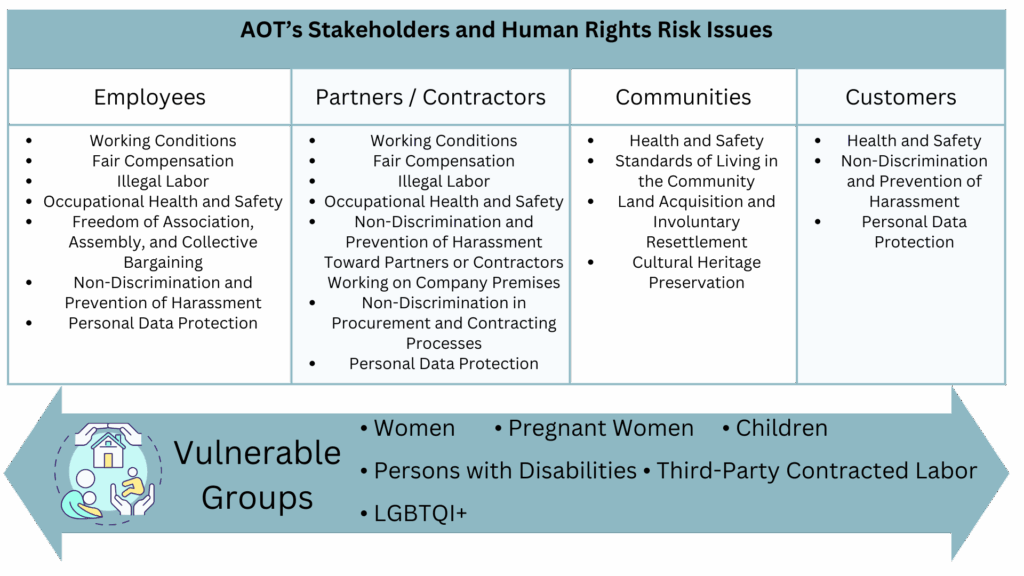
AOT conducts Human Rights Risk and Impact Assessments covering its own operations, contractors and Tier 1 suppliers, as well as joint ventures without management control. The assessments identify human rights risks and impacts that may vary according to the nature of each operation. In addition, stakeholders (or rights holders) are categorized into four key groups: customers, suppliers and contractors, communities and society, and AOT employees.
Furthermore, AOT places particular emphasis on vulnerable groups, including women, pregnant women, children, persons with disabilities, indigenous peoples, migrant workers, workers employed through third-party agencies, and LGBTQI+ individuals. This approach helps ensure that the Company’s operations are aligned with internationally recognized human rights principles and minimizes potential human rights risks that may affect these groups.
| AOT Own Operations |
|
|
| Contractors & Tier 1 Suppliers | Infrastructure and Facility Maintenance |
|
| Business Support Services |
|
|
| Facility Management Services |
|
|
| Information Technology and Network Systems |
|
|
| Security and Surveillance Systems |
|
|
| Utility Management |
|
|
| Subsidiaries and Joint Ventures (without Management Control) |
|
|
Human Rights Risk and Impact Assessment Results
| Scope of Human Rights Risk Assessment/Review | Performance | Target | |||
|---|---|---|---|---|---|
| 2025 | 2025 | 2026 | 2027 | 2028 | |
| Comprehensive Human Rights Risk Coverage (%) | 100% | 100% | |||
AOT identifies its Salient Human Rights Issues through a Direct Stakeholder Engagement process. This involves a systematic human rights risk assessment integrated into the enterprise risk management framework at both the corporate and operational levels. The process includes listening to feedback, providing information, exchanging perspectives, and conducting joint risk and impact assessments with stakeholders within actual operational contexts.
The insights gained from this engagement are analyzed alongside the Severity and Likelihood of the impacts. In accordance with international human rights principles, the Severity is evaluated based on three key factors under a Worst-Case Scenario assumption:(1)Scale: The gravity of the impact.(2)Scope: The number of individuals affected.(3)Irremediability: The difficulty of restoring the victims to their original state.
The assessment results calculate the risk level by multiplying the Likelihood by the Severity. Issues with a high to very high risk level are designated as Salient Human Rights Issues. AOT places special emphasis on these issues by establishing intensive prevention, mitigation, and monitoring measures.
AOT utilizes these assessment results to inform human rights risk management strategies, improve operational guidelines, and ensure continuous performance monitoring. This proactive approach aims to prevent and mitigate the risk of human rights violations arising from the organization’s business activities.
AOT’s Salient Human Rights Issues
Based on the results of the human rights risk assessment, AOT’s Salient Human Rights Issues cover key stakeholder groups within the scope of AOT’s Own Operations, Contractors & Tier 1 Suppliers, and Subsidiaries and Joint Ventures, as follows:
Scale: The gravity of the impact.
Scope: The number of individuals affected.
Irremediability: The difficulty of restoring the victims to their original state.
The assessment results calculate the risk level by multiplying the Likelihood by the Severity. Issues with a high to very high risk level are designated as Salient Human Rights Issues. AOT places special emphasis on these issues by establishing intensive prevention, mitigation, and monitoring measures.
AOT utilizes these assessment results to inform human rights risk management strategies, improve operational guidelines, and ensure continuous performance monitoring. This proactive approach aims to prevent and mitigate the risk of human rights violations arising from the organization’s business activities.
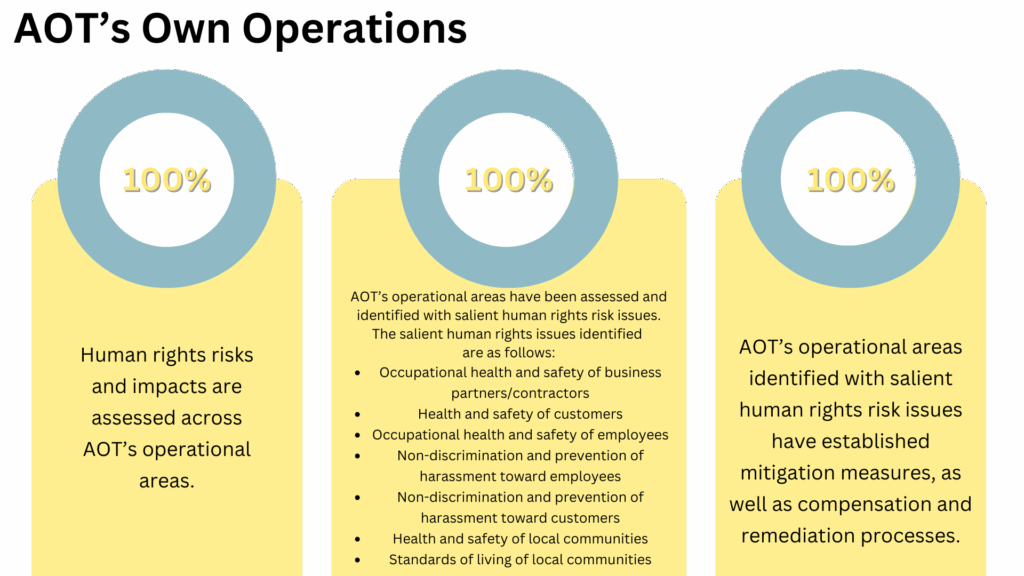
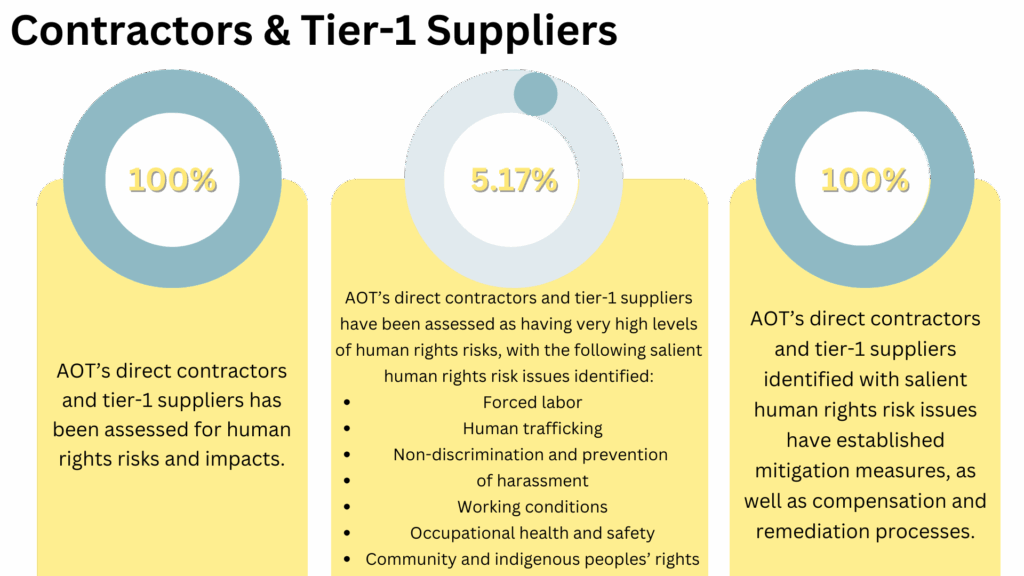
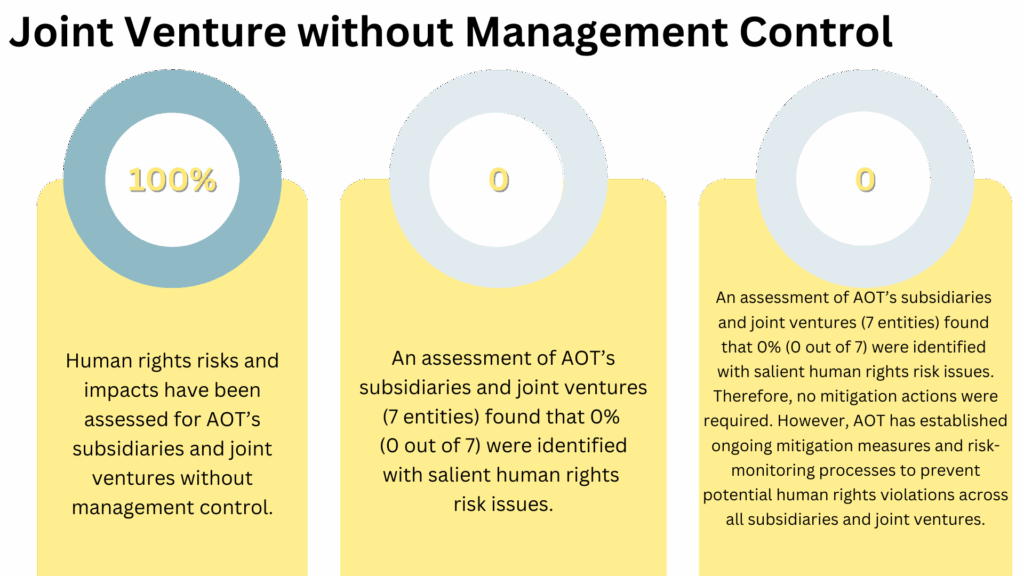
Based on the identification of these issues, AOT has established measures to prevent, mitigate, and manage human rights impacts tailored to the specific characteristics of each stakeholder group. Furthermore, we have defined guidelines for continuous communication, monitoring, and collaboration to ensure that human rights management remains effective and transparent. These actions are designed to appropriately respond to the expectations of each stakeholder group.
Outstanding Activities and Key Projects of AOT in FY2025
Human Rights Policy Content Revision
| Objectives | To ensure that the Human Rights Policy aligns with international standards and indicators, keeping pace with global business trends. The content focuses on linking potential human rights risks and impacts, covering all stakeholder groups, including vulnerable groups. |
|---|---|
| Alignment with AOT Enterprise Plan | SO4: Lead Changes toward Sustainability. Strategy 6: Moving towards becoming a Socially and Environmentally Friendly Airport. |
| Project/Activity Details |
AOT has developed its Human Rights Policy to improve content to cover international standards and indicators, staying current with global business priorities. Key changes are as follows:
|
| Number of Participants | N/A |
| Benefits to AOT from the Project/Activity |
|
Workshop Seminar Project to Enhance Experience and Engagement for AOT Employees, FY2025
AOT conducted a Human Rights Due Diligence (HRDD) Review Workshop aimed at communicating AOT’s human rights expectations and providing training to representatives from every business unit across the organization. This included personnel from AOT Headquarters, all six airports under its management, and the Novotel Suvarnabhumi Airport Hotel. The workshop presented various conceptual frameworks to enhance human rights awareness, comprising:
| Objectives |
|
|---|---|
| Alignment with AOT Enterprise Plan |
In accordance with the "SMILE" strategic objectives across 5 areas and the 7 main strategic frameworks defined by AOT as operational guidelines: Strategy 7, Strategic Objective 7.1: Enhance human capital potential to support current and future airport business. This also aligns with the State Enterprise Assessment Model (SE-AM), which specifies mechanisms to support human capital management and development regarding Employee Experience, as part of the HR strategic plan for organizational engagement and the AOT HR Master Plan.
Consequently, creating a positive work experience will lead to higher organizational engagement, increasing work efficiency and ultimately enhancing the experience for customers and partners through the fostered well-being of AOT employees. |
| Project/Activity Details |
A series of practical workshops with details as follows:
|
| Number of Participants |
|
| Benefits to AOT |
|
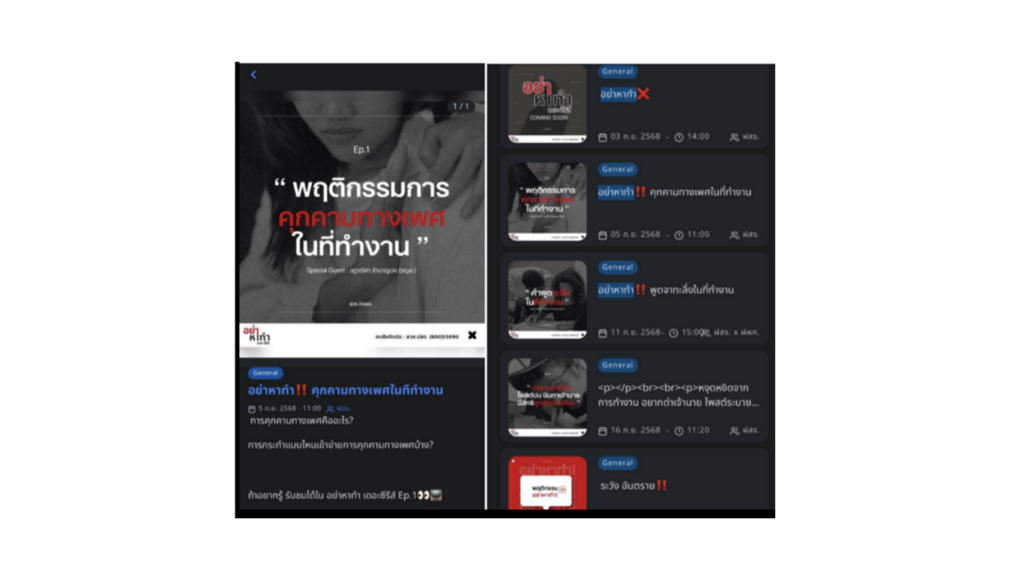
Awareness-Raising Video Series: Preventing Workplace Harassment and Misconduct
AOT issued a formal declaration regarding its “Intent to Prevent and Address Sexual Harassment and Misconduct in the Workplace,” dated September 29, 2020. In conjunction with this declaration, a comprehensive manual outlining preventive measures and resolution procedures was circulated to all staff and employees for strict adherence.
In Fiscal Year 2025, there were two reported cases of sexual harassment. Both cases were thoroughly investigated, and appropriate disciplinary actions have been taken against the respondents.
Furthermore, as part of our proactive prevention strategy, AOT has produced and distributed awareness-raising video series. These materials are designed to educate the workforce on identifying and preventing behaviors that constitute sexual harassment and misconduct in the workplace, reinforcing a safe and respectful professional environment for all.
Human Rights Training
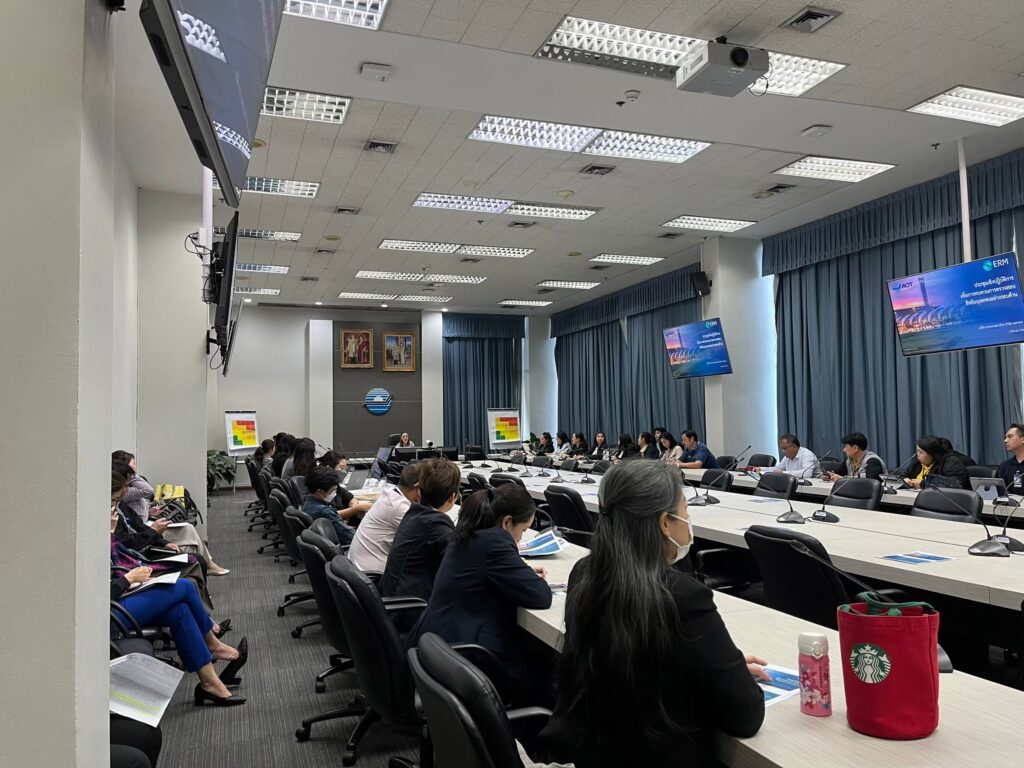
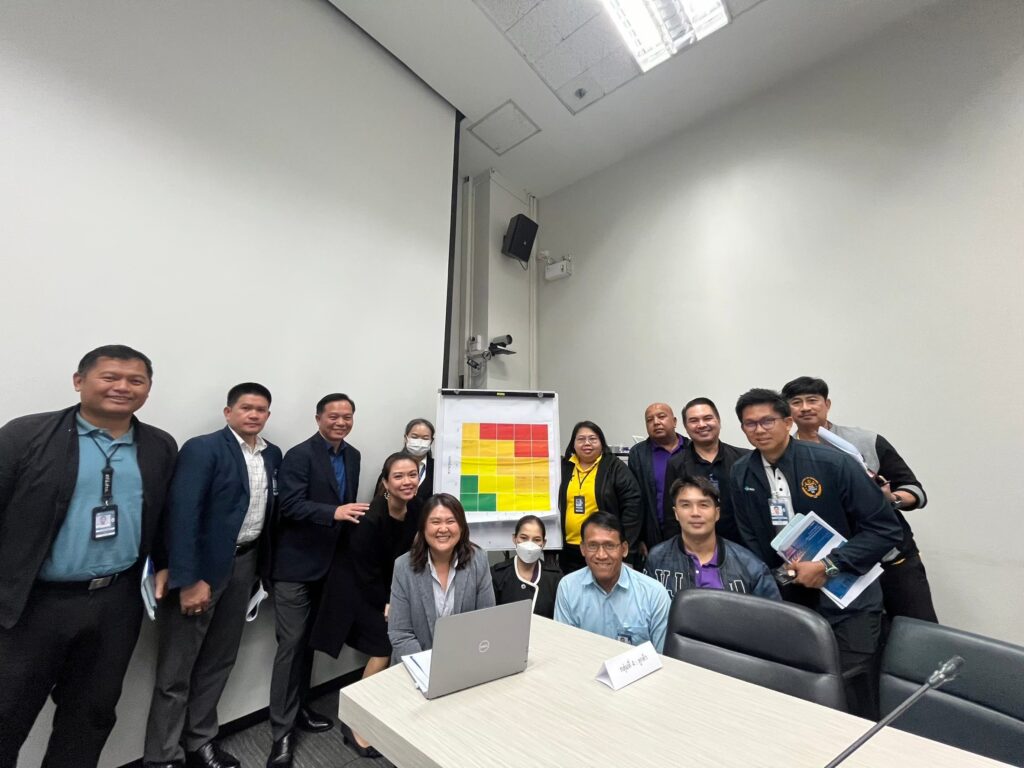
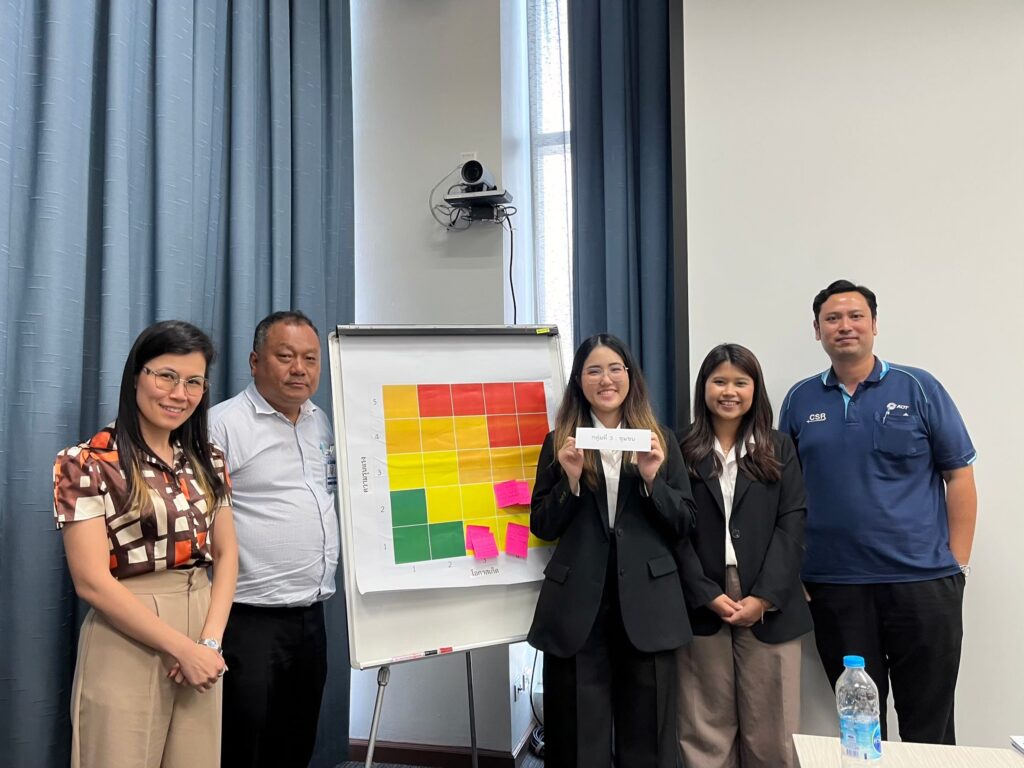
AOT conducts workshops as part of its Human Rights Due Diligence review process with the objective of communicating the Company’s human rights expectations and providing human rights training to representatives from each business function across the organization. The training is delivered through designated representatives from all departments throughout AOT, including the Head Office, all six airports, and the Novotel Suvarnabhumi Airport Hotel.
The workshops cover a range of human rights frameworks and concepts aimed at enhancing awareness and understanding of human rights issues, including:
- United Nations Guiding Principles on Business and Human Rights (UNGPs)
- Core International Human Rights Treaties
- International Covenant on Civil and Political Rights (ICCPR)
- International Covenant on Economic, Social and Cultural Rights (ICESCR)
- ILO Declaration on Fundamental Principles on Business and Human Rights
- Principles to protect, respect and remedy for the impacts of human rights violations or The Ruggie Framework
- AOT Human Rights Policy
In 2025, 100% of AOT’s total workforce received human rights communication and training.
Respect for and Protection of Children's Rights
AOT recognizes that children and youths are a vulnerable stakeholder group who may be impacted by airport operations in various dimensions. Consequently, AOT prioritizes the protection of children’s rights beyond the mere prevention of child labor. We adhere to international human rights standards and adopt the United Nations Guiding Principles on Business and Human Rights (UNGPs) as our operational framework.
AOT is committed to respecting and protecting the human rights of all stakeholder groups, including children and youths. We pledge to respect and promote children’s rights and communicate our human rights expectations to business partners, contractors, and service providers. This ensures they comply with the principles of child rights protection, the prevention of child exploitation, and the avoidance of any activities that may negatively impact children and youths.
In conducting our business, AOT considers the safety, health, and dignity of children in their roles as service users, passengers, and members of the communities surrounding our airports. We ensure that our operations, services, and facility management are conducted in a manner that does not pose risks to children and does not facilitate any form of child rights violations.
Verification and Assurance
- Internal Audit: N/A
- External Assurance: External verification of human rights indicators in accordance with GRI Standards:
GRI 401: Employment 2016
GRI 402: Labor/Management Relations 2016
GRI 405: Diversity and Equal Opportunity 2016
GRI 406: Non-Discrimination 2016
GRI 407: Freedom of Association and Collective Bargaining 2016
GRI 408: Child Labor 2016
GRI 411: Rights of Indigenous Peoples 2016