Importance
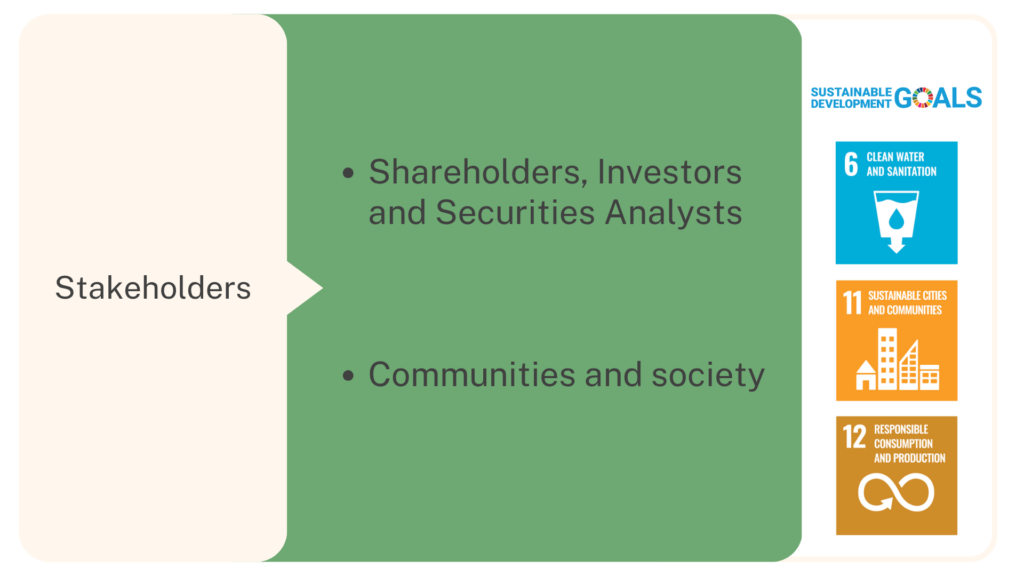
Airport operations, development, and infrastructure expansion require systematic management of business impacts in order to control both positive and negative effects on various stakeholder groups – particularly shareholders, investors, and securities analysts, who are stakeholders with a keen interest in and expectations of AOT’s management performance.
AOT places significant importance on environmental impacts, which can be categorized according to specific issues including noise management, air quality, water and wastewater, waste, and biodiversity. These environmental issues can generate wide-ranging impacts in multiple forms, particularly on communities and society. AOT recognizes and acknowledges the importance of addressing potential issues in accordance with the environmental measures and management plans established to ensure operations aligned with environmental sustainability – thereby enhancing value and responding to stakeholder expectations, as well as conforming to both domestic and international corporate sustainability assessment criteria.
Policy
AOT's Environmental Policy
AOT is committed to managing a headquarter and all 6 airports in accordance with best environmental practices, with the goal of advancing toward becoming a leading international eco-friendly airport sustainably (Moving toward International Leading Eco-Airport). To this end, AOT has established a Sustainability Development Sub-Committee to drive policies and work plans, and to monitor performance in a unified direction — in alignment with AOT’s Master Plan for Fiscal Years 2023–2027 (Revised Edition, Fiscal Year 2025), covering sustainable social and environmental development under the Airport Strategic Positioning framework, as well as AOT’s Environmental Policy.
This policy ensures that environmental management is carried out consistently across all operations, encompassing the control and mitigation of environmental impacts arising from business activities, strict compliance with relevant environmental laws, regulations, and standards, and the promotion of environmental management awareness among organizational personnel to enhance the effectiveness of environmental management practices. The scope of AOT’s Environmental Policy covers noise management, air quality management, water and wastewater management, waste management, and biodiversity.
AOT Green ICT Management Policy
Environmental management operations are aligned with AOT’s Corporate Enterprise Plan, SO5: Digital Technology Development (Digital), which encompasses the responsible management of resource utilization and the adoption of environmentally friendly technologies. This is achieved by integrating sound environmental practices across all operational sectors of AOT, under the AOT Green ICT Management Policy and the Green ICT Management Guideline.
The objective is to promote the use of environmentally friendly information technology, with due consideration for reducing environmental impacts and enhancing energy efficiency throughout AOT’s operational processes. This framework comprises 4 key components:
Equipment Lifecycle
End User Computing
Enterprise Computing
ICT as a Low-Carbon Enabler
AOT promotes sustainability alongside enhancing operational efficiency in the field of technology through the following approaches:
- Encouraging innovation and the development of methods to reduce energy consumption while enhancing the efficiency of service delivery.
- Focusing on the use of reusable resources and minimizing pollution from electronic waste.
- Promoting compliance with AOT’s Green ICT Management Policy among personnel at all levels.
Environmental Sanitation Requirements in Airports
To ensure effective environmental sanitation practices within airports, AOT has established specific criteria and guidelines for environmental sanitation management. These requirements are designed to ensure operational orderliness and compliance with relevant laws and regulations, including those concerning public health, communicable diseases, and environmental protection, as well as applicable international standards.
The requirements cover the management of solid waste, sewage, and contaminants, applying to both AOT personnel and AOT’s business partners. The objective is to implement a systematic waste management approach that prevents undesirable outcomes—such as the presence of disease-carrying insects and animals—within airport premises. Regular inspections are also conducted to ensure that all airport activities are in alignment with these sanitation requirements.
Management Approach
Environmental Management Structure and Responsible Units
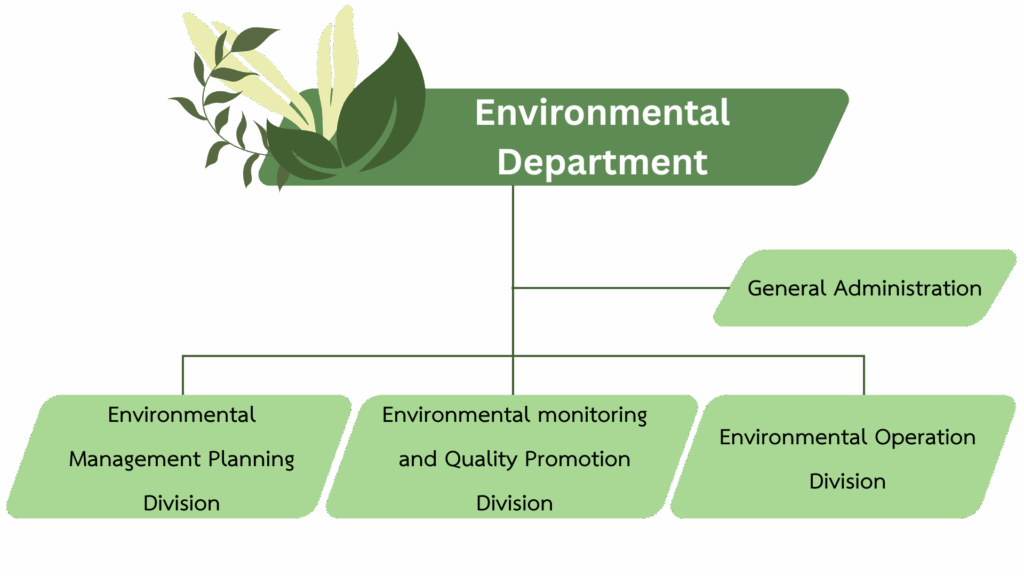
AOT has designated the Environmental Department as the primary unit responsible for managing natural resources and environmental initiatives. The department is tasked with developing environmental policies, plans, and projects to ensure sustainable airport operations. Its structure is divided into four main functional areas:
(1) General Administration,
(2) Environmental Management Planning,
(3) Environmental Quality Monitoring, Inspection, and Promotion, and
(4) Environmental Operations.
In response to the objectives set forth in AOT’s Sustainability Development Master Plan for Fiscal Years 2024–2028 (Revised Edition, Fiscal Year 2025), Strategy 2: Sustainable Environmental Management, under Strategic Initiative 2.2: Application of the Circular Economy Concept to AOT’s Operations across the Supply Chain, responsibilities have been assigned to two categories of units as follows:
1. Primary Unit
– Environmental Department – responsible units from all 6 airports
2. Supporting Unit
– Corporate Strategy Department
Implementation of Environmental Law
AOT is committed to conducting its business in full compliance with environmental laws, regulations, and standards, with an emphasis on transparency, accountability, and stakeholder engagement. The company has established formal processes for collecting environmental and social feedback from communities surrounding its airports, and has set up environmental monitoring committees comprising government agencies and community representatives to promote collaboration and ensure diverse viewpoints are considered.
AOT conducts thorough assessments to identify and mitigate potential environmental impacts at every operational stage through Environmental Impact Assessments (EIA) and Environmental Health Impact Assessments (EHIA).
For airports that have undergone these assessments, AOT prepares monitoring reports in compliance with legal requirements, detailing the implementation of environmental mitigation and monitoring measures, including environmental quality assessments and community surveys. These reports are submitted annually to the Office of Natural Resources and Environmental Policy and Planning (ONEP).
Critical Environmental Management Practices in Airport Operations
Airport business operations have a direct and significant bearing on environmental impacts. AOT therefore places considerable importance on environmental management within its airports, defining the scope of management across key environmental issues through its Environmental Management Policy, as well as other relevant policies and requirements, to ensure full legal compliance. This encompasses a wide range of practices aimed at protecting natural resources, reducing pollution, and promoting ecological balance, supported by environmental monitoring and surveillance, data collection system development, reporting, and verification. The overarching goal is to ensure that development and progress are achieved without compromising environmental equilibrium.
AOT also collaborates with relevant agencies in environmental management, including the Ministry of Transport, the Ministry of Finance, the Office of Transport and Traffic Policy and Planning (OTP), the Civil Aviation Authority of Thailand (CAAT), Aeronautical Radio of Thailand Ltd. (AEROTHAI), and the Aviation Business Operations Committee.
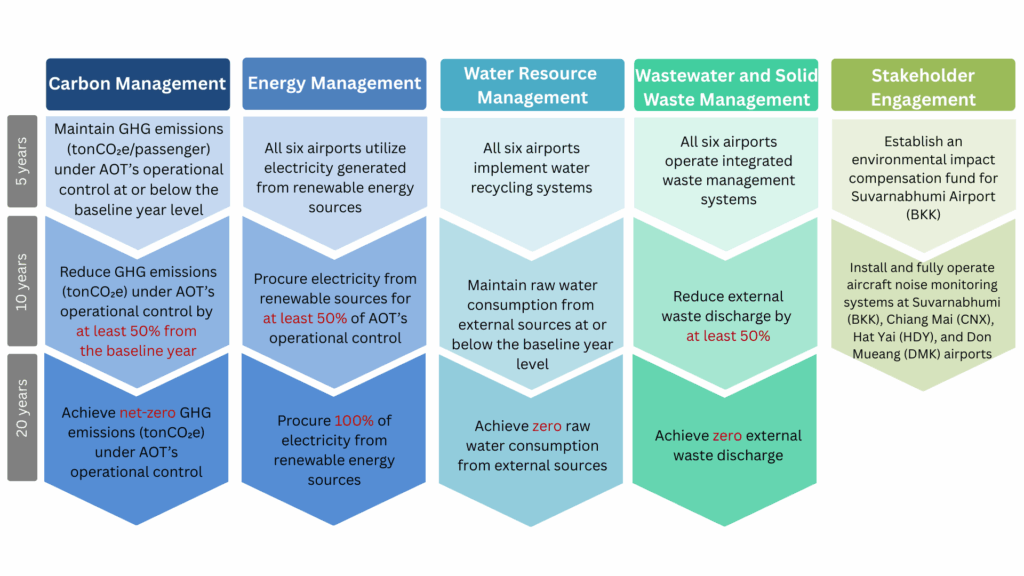
At present, AOT conducts environmental management operations guided by 5 key environmental management approaches, which serve as targets for advancing operations toward sustainability and environment-friendly.
| Indicators | Unit |
Performance Result FY 2025 |
Annual Targets | ||||
|---|---|---|---|---|---|---|---|
| 2026 | 2027 | 2028 | |||||
| Water and Wastewater Management | Increase recycled water consumption by 20% from the baseline year (2024) by 2028. | Cubic meters | Average recycled water consumption: 865 m³/day | 10% | 15% | 20% | |
Noise Management
AOT has adopted the Noise Balanced Approach recommended by the International Civil Aviation Organization (ICAO) for managing aircraft noise pollution in a balanced and effective manner. This approach is implemented at AOT-operated airports and consists of four key elements:
- Reduction of Noise at Source:
AOT encourages airlines to use aircraft equipped with engines and designs that emit lower noise levels. Airlines are also advised to manage aircraft weight appropriately to support noise reduction at the source. - Land-use Planning and Management:
AOT provides relevant data—including airport development plans and noise impact zones—to land-use planning authorities to support informed decisions regarding appropriate land utilization around airport areas. - Noise Abatement Operational Procedures:
Airlines operating at AOT airports are required to comply with flight operation procedures—particularly take-off and landing—that minimize noise pollution. These procedures must maintain aviation safety and consider other key factors such as airport capacity, preferential runway use, air traffic management efficiency, and airport accessibility. - Operating Restrictions:
Restrictions are placed on high-noise aircraft. At Suvarnabhumi, Don Mueang, and Chiang Mai International Airports, aircraft must comply with the noise limits outlined in Chapter 3 of Annex 16 of the Convention on International Civil Aviation (Chicago Convention). These requirements are published in the Aeronautical Information Circular (AIC) and must be observed by all airlines.
In addition, to monitor and mitigate noise impacts, AOT conducts noise level measurements using both permanent automatic monitoring stations—operating 24 hours a day and temporary stations, which conduct biannual measurements over continuous 7-day periods.
Air Quality Management
AOT has continuously implemented measures to prevent and mitigate air quality impacts, covering both ground-based and aircraft-related emission sources, as well as actions specifically targeting the reduction of PM2.5 pollutants. Key air pollution control and prevention measures adopted by AOT include:
- Requiring aircraft to shut down engines and limit the use of Auxiliary Power Units (APUs) while parked at gates or connected to Passenger Loading Bridges, instead utilizing airport-provided electrical power and pre-conditioned air systems through the airport’s utility infrastructure.
- Regulating traffic flow within airport premises, particularly around terminal buildings and parking areas, to prevent congestion and reduce vehicle emissions.
- Mandating regular inspections of vehicles and Ground Support Equipment (GSE) to ensure proper maintenance and compliance with legal emission standards.
- Promoting the use of environmentally friendly vehicles, such as electric-powered vehicles, and encouraging airport staff and passengers to utilize public transportation more frequently to reduce fuel consumption and vehicular emissions.
- Conducting public awareness campaigns to discourage forest and agricultural burning in areas surrounding airports where such activities contribute to local air quality issues.
AOT has implemented an Air Quality Monitoring system to track, inspect, and monitor ambient air quality both within and around its airport premises. The monitoring system includes the following activities:
- Temporary ambient air quality monitoring stations are installed at Suvarnabhumi Airport, Don Mueang International Airport, Phuket International Airport, Chiang Mai International Airport, and Mae Fah Luang–Chiang Rai International Airport. These stations operate twice a year, conducting continuous 7-day monitoring sessions. The monitored indicators include:
- Nitrogen Oxide (NOx)
- Carbon Monoxide (CO)
- Total Hydrocarbons (THC)
- Total Suspended Particles (TSP)
- Particulate Matter (PM10)
- Volatile Organic Compounds (VOCs)
- Wind Direction and Wind Speed
The monitoring results indicate that air quality remains within the standards prescribed by relevant laws and regulations, serving as a surveillance measure for airborne pollutant levels that may affect public health arising from aviation activities and ground handling services.
- Suvarnabhumi Airport has installed permanent ambient air quality monitoring stations: 2 stations
- Don Mueang International Airport is preparing to install permanent ambient air quality monitoring stations during the construction phase of the Don Mueang Airport Development Project Phase 3: 2 stations
| The Airport Location | Parameter | 2023 | 2024 | 2025 | |||
|---|---|---|---|---|---|---|---|
| Jan-Jun | Jul-Dec | Jan-Jun | Jul-Dec | Jan-Jun | Jul-Dec | ||
| Suvarnabhumi Airport (BKK) | NOx (PPM) | 0.0135 - 0.0244 | 0.0064 - 0.0120 | 0.0064 - 0.0150 | 0.0100 - 0.0181 | 0.0069 - 0.0153 | 0.0103 - 0.0221 |
| SOx | N/D | ||||||
| VOCs (benzene-µg/m³) | N/D | N/D | N/D | <0.26 - 0.77 | <0.26 - 1.20 | <0.26 - 0.59 | |
| Don Mueang International Airport (DMK) | NOx (PPM) | 6.0 - 35.4 | 6.3 - 15.2 | 0.5 - 18.6 | 3.5 - 12.1 | 9.0 - 16.7 | 4.9 - 11.6 |
| SOx | N/D | ||||||
| VOCs (benzene-µg/m³) | N/D | ||||||
| Chiang Mai International Airport (CNX) | NOx (PPM) | 0.002 - 0.038 | 0.002 - 0.019 | 0.006 - 0.067 | 0.001 - 0.014 | 0.0123 - 0.0229 | 0.0105 - 0.0258 |
| SOx 24-hour average (ppm) | N/D | 0.0026 - 0.0032 | N/D | ||||
| VOCs (benzene-µg/m³) | N/D | ||||||
| Mae Fah Luang–Chiang Rai International Airport (CEI) | NOx (PPM) | 0.0123 - 0.0229 | 0.0096 - 0.0178 | 0.0131 - 0.0242 | 0.0102 - 0.0200 | 0.0042 - 0.0167 | 0.0012 - 0.0054 |
| SOx | N/D | ||||||
| VOCs (benzene-µg/m³) | N/D | 1.53 - 2.02 | |||||
Notes
N/D = No Data
1. Air Quality Monitoring Station Selection
Each airport operates at least two air-quality monitoring stations, representing both on-airport conditions and nearby sensitive receptors/communities. For reporting purposes, the table presents data from one representative monitoring station for each airport (rather than an average of all stations).
These representative stations were selected based on their proximity to airport operations and their location within surrounding communities or sensitive receptors, providing an indication of the potential air-quality impacts associated with airport activities on nearby areas.
2. VOC Monitoring
AOT conducts monitoring of a range of VOC parameters as part of its air-quality management program. However, the table presents benzene concentrations only, as benzene is considered one of the key source-profile indicators associated with airport apron and aircraft ground operation activities. This approach provides a focused indicator for assessing VOC-related impacts from airport operations.
Water and Wastewater Management
AOT places strong emphasis on the efficient management of water and wastewater to ensure sufficient supply for operational needs while preventing and mitigating potential impacts on surrounding ecosystems and communities, both in terms of quantity and quality.
- Water Usage Control
All six airports under AOT’s responsibility, along with the head office, have implemented water conservation awareness campaigns targeting both travelers and employees. In addition, all AOT projects are aligned with Environmental Impact Assessment (EIA) guidelines, which include thorough analysis and assessment of water use efficiency (Water Use Assessment to Identify Opportunities for Water Efficiency Improvements). These assessments consider factors such as surface water quality, hydrology, and drainage to surrounding communities, both during the construction and operational phases. The process is conducted in accordance with scientific principles and through active engagement with local communities and stakeholders across all sectors. - Water Recycling
Airports under AOT’s responsibility are equipped with centralized wastewater treatment systems capable of handling daily wastewater volumes efficiently. These systems are regularly monitored and maintained to ensure effective operation and compliance with legal discharge standards.
Suvarnabhumi Airport, Don Mueang International Airport, and Phuket International Airport implement additional water treatment processes following the central wastewater treatment system to enable efficient water reuse. These airports maintain regular performance monitoring of their wastewater treatment systems, utilizing the data obtained to improve water usage processes and minimize impacts on surrounding water sources. - Water Quality Control
AOT primarily sources its water (water withdrawal) from the Metropolitan Waterworks Authority, Provincial Waterworks Authority, and airport-based water treatment systems, which utilize raw water from groundwater and surface water sources. Each airport has its own water quality control process to ensure that water produced on-site meets the standards for domestic use and consumption as defined by the World Health Organization (WHO). Additionally, tap water quality inside passenger terminal buildings is tested monthly in accordance with the standards set by the Ministry of Public Health.
Suvarnabhumi Airport, AOT’s main hub, water management operations are conducted by a certified operator accredited under ISO 14001:2015 for environmental management systems. This includes management of water supply, drainage, wastewater collection, and wastewater treatment systems.
- Targets and Key Performance Indicators
AOT has established performance indicators to increase the volume of recycled water usage (application of water recycling), setting a target to increase recycled water usage by 20% from the 2024 baseline by the year 2028. This target is outlined in AOT’s Sustainable Development Master Plan for Fiscal Years 2024–2028 (Revised Edition for FY2025).
Waste Management
Waste management has become one of Thailand’s pressing national challenges, encompassing issues such as insufficient disposal sites, greenhouse gas emissions from landfills, and contamination of ecosystems – particularly from plastic waste. AOT recognizes the significance of these challenges and has consistently implemented waste management measures throughout its operations. AOT’s waste management approach is divided into two areas: general waste management arising from business operations across its various airports, and integrated waste management.
- Airport Waste Management Overview
AOT collects municipal solid waste data by deploying appropriate waste receptacles distributed across various areas, along with sanitary waste transfer points, prior to handover to waste disposal service providers. Airports require waste collection contractors to remove all municipal solid waste from the premises on a daily basis, with no waste left behind. Contractors are also required to maintain cleanliness of the collection areas after each collection, as well as along all routes used by waste collection vehicles, ensuring no waste spillage or wet residue on road surfaces. Hazardous waste must be collected, transported, and disposed of or treated by legally licensed private operators.
AOT encourages operators and service providers within its airports to participate in waste segregation and to reduce the volume of waste requiring final disposal. The quantity of waste and refuse generated within the airports is subject to verification and certification by external agencies to enhance data credibility, enabling AOT to analyze such data and develop improved waste management approaches going forward.
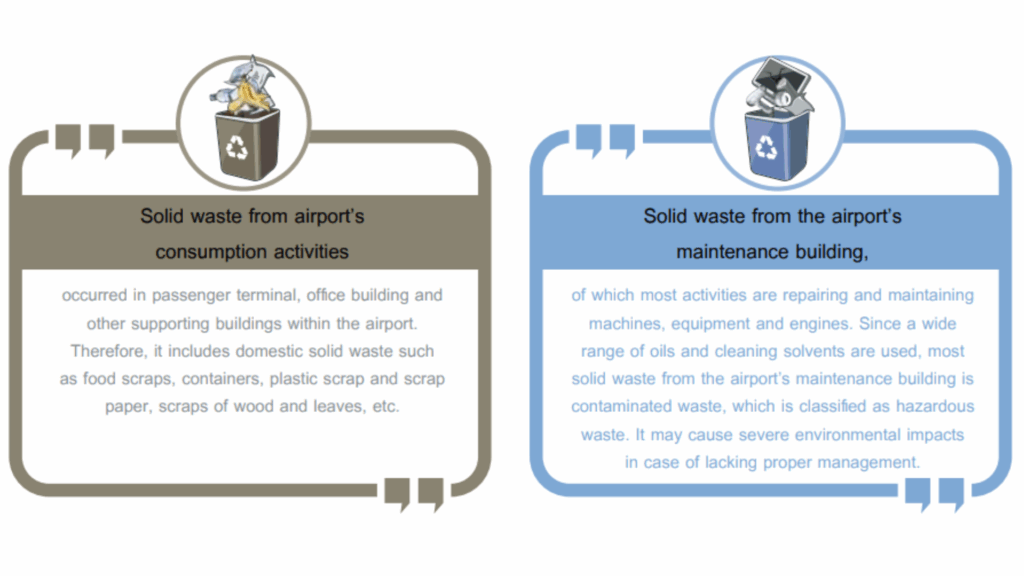
- Types of Waste Classified by Source
- Types of Waste and Disposal Methods at Airports
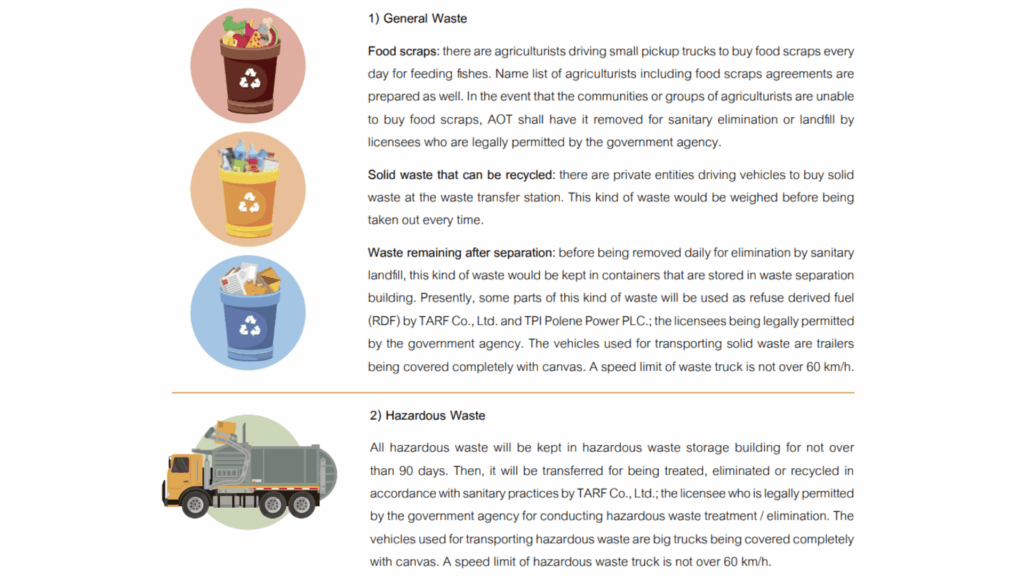
- Waste Disposal
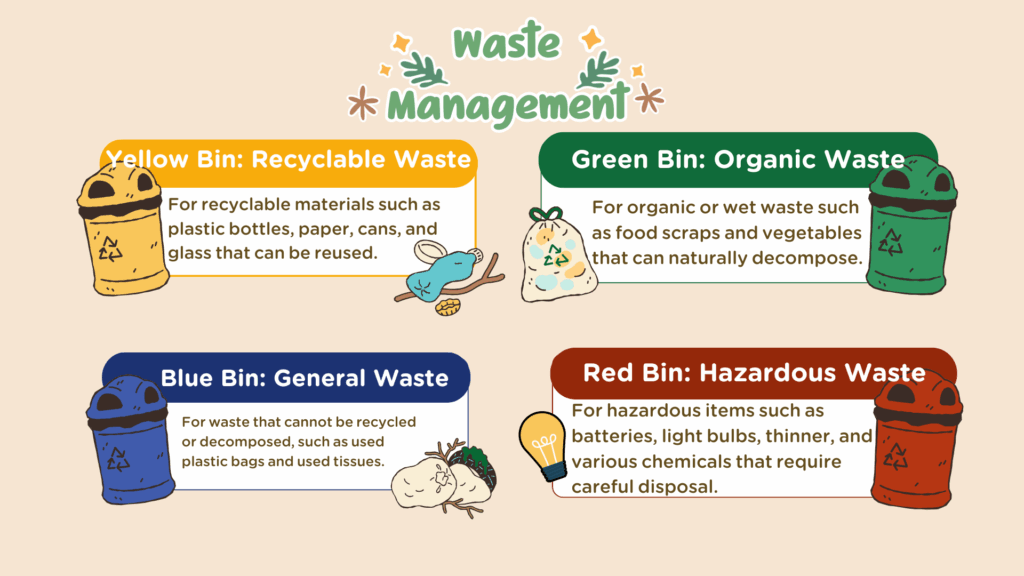
Airports are high-traffic areas where large numbers of passengers generate substantial waste through consumption activities, and also serve as collection points for waste arriving with aircraft. In response, AOT has implemented a comprehensive waste management system, beginning with campaigns to raise awareness among passengers and staff to reduce waste generation. Waste segregation is encouraged within passenger terminals and office buildings, where separate containers are provided for general waste and recyclable waste. Hazardous and infectious waste is collected separately to prevent contamination and is disposed of in accordance with legal and public health standards.
Designated sanitary waste holding areas are arranged according to waste types, such as general and recyclable waste. Local authorities or licensed private contractors are responsible for transporting the waste for disposal, and are required to maintain cleanliness of the storage areas and the waste transport routes after each collection.
In addition, airport operations generate hazardous waste from equipment maintenance – such as oil, solvents, and fluorescent lamps – as well as infectious waste from on-site medical clinics. These types of waste are disposed of by government-authorized service providers in full compliance with relevant environmental and health regulations.
- R&D To Minimize Waste
AOT organizes innovation concept competitions and development programs for both internal and external participants, serving as a mechanism to identify waste reduction innovations for airport management. Key ongoing programs include the Think Out Loud Project and the Creative Innovation Competition “Innolution”, which represents investments in innovation and research and development for waste reduction, with a total investment value of THB 2,032,900 for Fiscal Year 2025.
- Resource Efficiency and Circularity
AOT has established a Green ICT Management Policy to actively promote the principles of the circular economy. The policy prioritizes the procurement of electronic equipment with extended lifespans that can be reused or easily recycled, with the aim of minimizing waste generation at the source. This approach also encourages a shift in employee workflows from resource-intensive analog systems to digital platforms that help reduce waste, such as the
e-Document system.
Furthermore, AOT supports the adoption of high-efficiency ICT infrastructure to reduce energy consumption, including the use of Virtualization Servers and Cloud Computing. To reinforce these initiatives, AOT has also developed a Green ICT Management Guideline to guide employees in implementing environmentally friendly ICT practices in a concrete and consistent manner.
This guideline is structured around four key components:
- Equipment Lifecycle
- End User Computing
- Enterprise Computing
- ICT as a Low-Carbon Enabler
In addition, to ensure concrete operational monitoring, AOT tracks paper resource consumption through the integration of circular resource utilization concepts. In Fiscal Year 2025, average paper usage stood at 202.99 sheets/person/month, compared to 205.75 sheets/person/month in Fiscal Year 2024, representing a reduction of 1.34%.
- Eco-Efficiency Assessment Report
AOT has prepared an Eco-Efficiency Assessment Report to examine significant environmental impacts arising from airport business operations, including an analysis of resource use across the organization’s value chain, given its direct relevance to AOT’s operations. The analysis is structured around core process analysis and support process analysis.
AOT has defined two levels of significance:
- Significant, where the absence of a given resource would render the respective system unable to operate, and
- Insignificant, where operations can continue but at a reduced service level.
The study covers the following environmental topics: energy (electricity), water, greenhouse gases, and municipal solid waste (encompassing both non-hazardous and hazardous waste). The findings are integrated into the formulation of strategies for conserving and enhancing the efficiency of natural resource utilization.
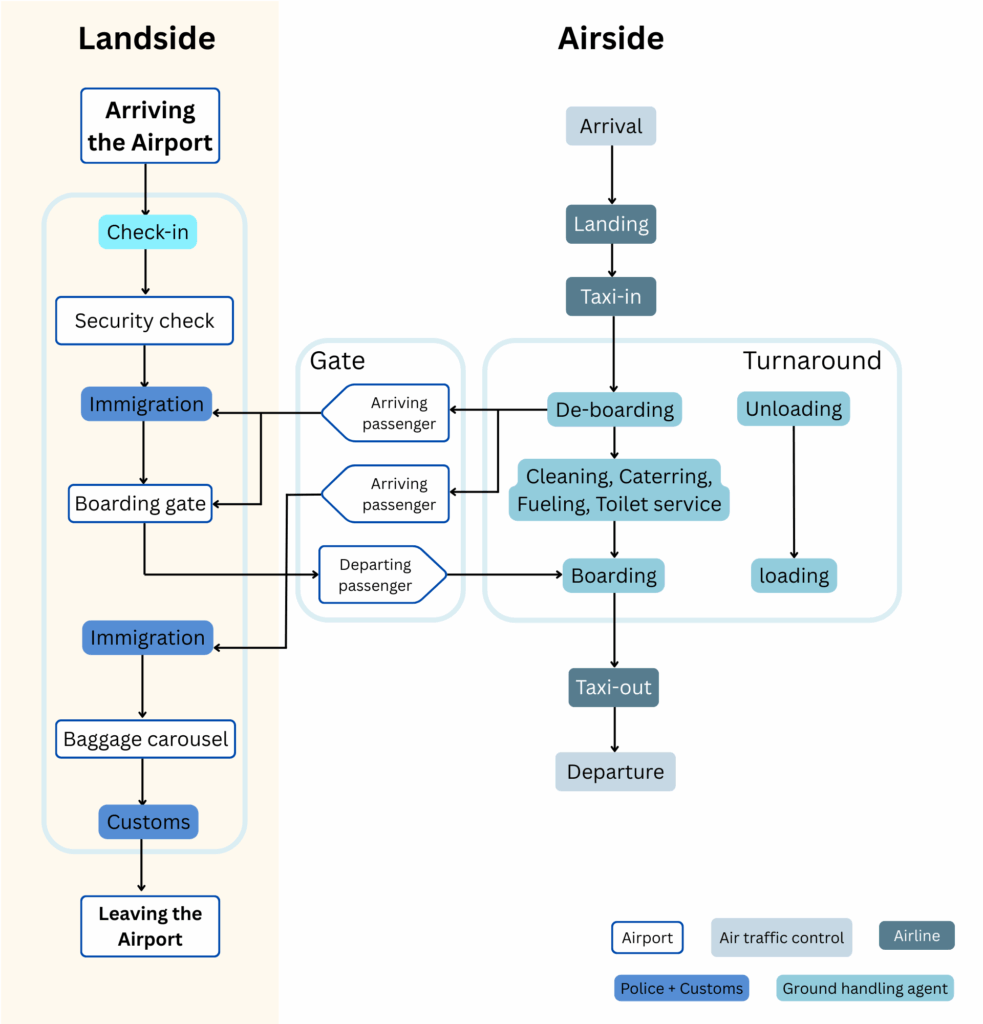
| Environmental Aspect | Core Processes | Supporting Processes | ||||||||||
|---|---|---|---|---|---|---|---|---|---|---|---|---|
| Passenger Arrival | Aircraft Preparation | Baggage Handling | Cargo Handling | Passenger Departure | Planning & Scheduling |
HR | Commercial | Financial | Management | Procurement | IT | |
| Resource Use | ||||||||||||
| - Energy (Electricity) (kWh) | ✓ | ✓ | ✓ | ✓ | ✓ | ✓ | ✓ | ✓ | ✓ | ✓ | ✓ | ✓ |
| - Water (m³) | ✓ | ✗ | - | ✗ | ✓ | ✗ | ✗ | ✗ | ✗ | ✗ | ✗ | ✗ |
| Environmental Impact (Emission Release) | ||||||||||||
| - Greenhouse Gas Emissions (tCO₂) | ✓ | ✓ | ✓ | ✓ | ✓ | ✓ | ✓ | ✓ | ✓ | ✓ | ✓ | ✓ |
| - Solid Waste (kg) | ✓ | ✗ | - | ✗ | ✓ | ✗ | ✗ | ✗ | ✗ | ✗ | ✗ | ✗ |
| - Wastewater (m³) | ✓ | ✓ | - | ✗ | ✓ | ✗ | ✗ | ✗ | ✗ | ✗ | ✗ | ✗ |
✓ Significantly related – operations of each system cannot proceed without it.
✗ Insignificantly related – operations can proceed, but service level may be reduced.
The assessment covers key environmental aspects including electricity (energy), water, greenhouse gas emissions, and solid waste (including both non-hazardous and hazardous waste). The findings of this study will be integrated into the organization’s strategies for improving resource efficiency and promoting conservation.
Biodiversity
AOT is committed to preserving biodiversity both within and beyond its airport operations by fostering awareness of biodiversity throughout the value chain, in alignment with stakeholder expectations and AOT’s environmental management plans. The operational framework is defined as follows:
- AOT conducts Environmental Impact Assessments (EIA) and Biodiversity Risk Assessments across all 6 airports to support EIA Monitoring, identify causes of biodiversity impacts arising from business operations, and subsequently formulate plans for impact Reduction & Avoidance.
- AOT has established continuous wildlife hazard prevention measures to minimize loss of life among wildlife, including management of food sources, habitats, and bird attractants. Bird dispersal measures are also implemented to prevent habituation within airport premises, using appropriate methods developed internally in accordance with established guidelines — such as acoustic deterrents and predator decoys — carried out by AOT staff with ornithological expertise and personnel trained in wildlife and bird hazard management. Consultants are also engaged for research and assessment of bird and wildlife strike prevention. AOT’s wildlife hazard prevention guidelines cover the following:
- Assessing environmental conditions and managing factors that attract birds and wildlife, such as drainage channels, ditches, grass areas, ground conditions, airside perimeter fencing, bird perching spots, and waste collection points.
- Strict 24-hour wildlife control and dispersal operations, with wildlife hazard alerts issued as required.
- Assessing and classifying bird and wildlife hazard risks arising from land use activities within a 13-kilometer radius of the airport, such as fish ponds and agricultural areas.
- Reviewing and updating wildlife hazard prevention measures to align with the local ecosystem on an ongoing basis.
- Establishing procedures and reporting protocols for aircraft wildlife strike incidents.
- AOT conducts annual reforestation and mangrove restoration activities, which comprehensively address biodiversity by providing nursery habitats for juvenile aquatic species, habitats for birds, food sources for both terrestrial and aquatic animals, mitigation against natural disaster impacts on living organisms, and carbon sequestration through mangrove vegetation. These activities aim to achieve Restoration & Regeneration of biodiversity for nature and society, while generating indirect social benefits such as income opportunities for communities surrounding the mangrove areas.
- AOT recognizes the value of undertaking activities that facilitate effective Transformation and reduce overall negative impacts on biodiversity. AOT therefore supports and initiates various direct and indirect biodiversity-enhancing activities, including policy advocacy through trade associations engaged in climate change-related activities that affect biodiversity, transitioning to renewable energy to reduce greenhouse gas emissions impacting biodiversity, and pioneering initiatives and plans for the adoption of Sustainable Aviation Fuel (SAF) for airlines.
Environmental Complaint Channels
AOT has established channels for receiving environmental complaints, covering issues such as noise and other environmental impacts. These channels are designed to support sustainable, collaborative problem-solving efforts.
A Coordination Center for Environmental Impact Resolution has been established at Suvarnabhumi Airport, with two main areas of responsibility as follows:
Community Relations ActivitiesConducting on-site visits to engage with local residents, clarify AOT’s operations and related impact mitigation measures, and monitor the situation within surrounding communities. The purpose is to gather public feedback, concerns, and complaints for reporting back to AOT to support responsive and inclusive environmental management. |
Telephone Complaint Channel (Call Center)Handles complaints and inquiries related to the compensation procedures for noise impacts caused by Suvarnabhumi Airport operations. The Call Center provides information on relevant plans, procedures, and progress regarding mitigation efforts. In cases where more in-depth information is requested, the Coordination Center will liaise with the appropriate departments to clarify and ensure the inquirer receives accurate and comprehensive explanations. |
Performance
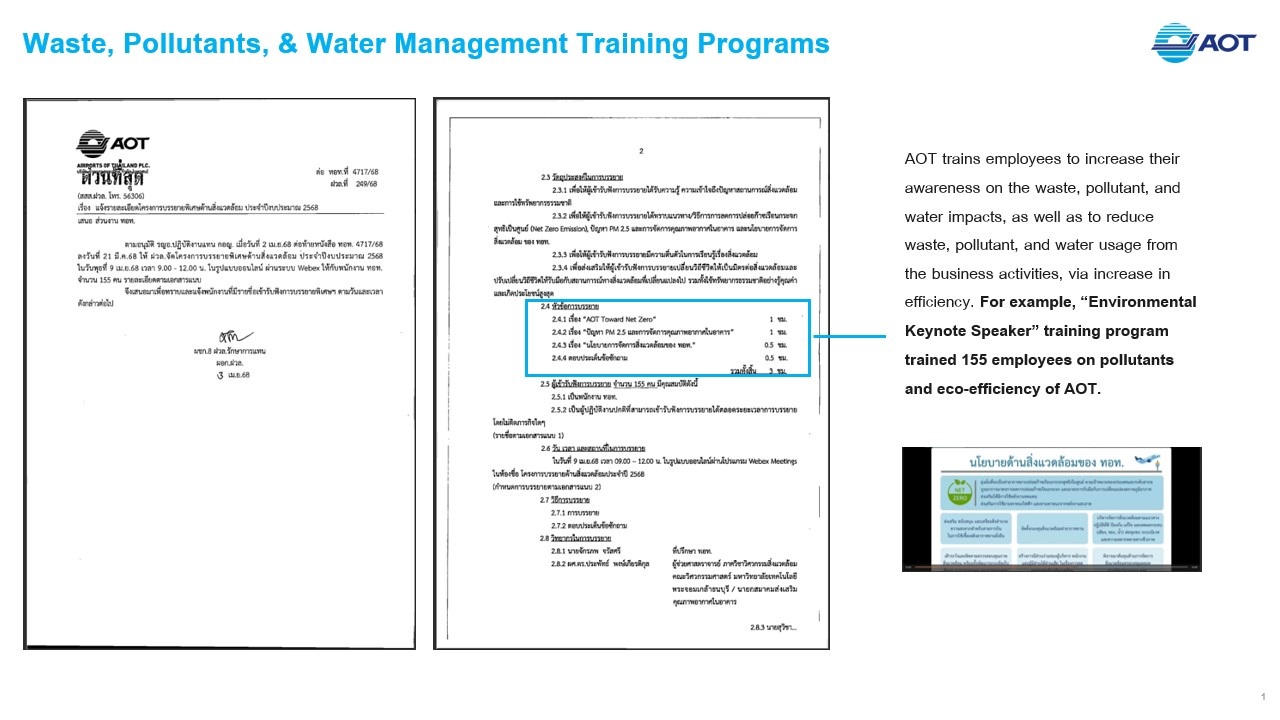
Awareness Environmental Trainings, Meetings, and Seminars
In Fiscal Year 2025, AOT organized lectures and participated in environmental conferences to enhance the capacity of its environmental management operations in a comprehensive and wide-ranging manner, while responding to evolving global trends by preparing for the adoption and implementation of relevant practices across AOT’s airports.
Environmental Seminar
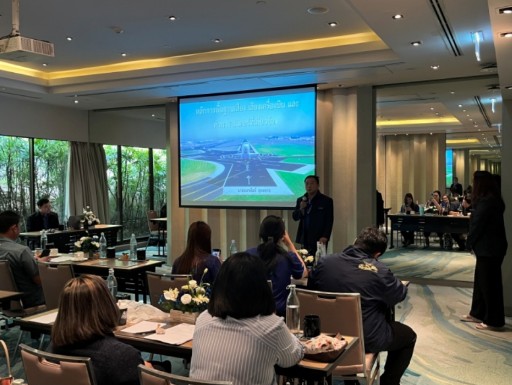
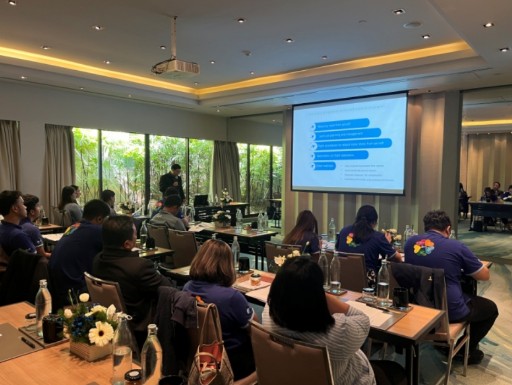
Training and Seminar under the Phuket Airport Development Project — Airport Operational Phase, aimed at enhancing knowledge and understanding of noise impact assessment from airport activities on surrounding communities and society.
The program outcomes indicate that participants demonstrated increased awareness and understanding of noise impacts from airport activities on nearby communities. Participants are now better equipped to apply the knowledge gained in monitoring, inspecting, and engaging more effectively in the environmental impact assessment process. Furthermore, the training and seminar served as a platform for communication and information exchange between Phuket Airport and local communities, fostering positive relationships and mutual trust — forming a vital foundation for long-term collaborative efforts to mitigate noise impacts.
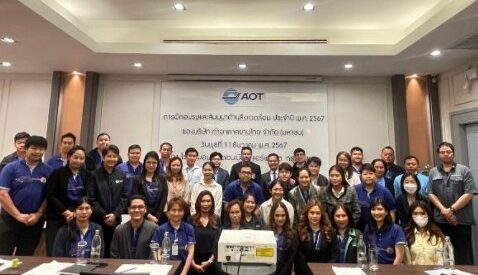

Training and Seminar under the Don Mueang Airport Development Project — Airport Operational Phase, on the topic: Airport Waste Management for Maximum Organizational and Environmental Benefit, aimed at enhancing knowledge and understanding of waste management arising from airport operations, delivered by an external expert speaker, Ajarn Charoen Srichanil (Threezone Energy and Service Co., Ltd.)
The program outcomes indicate that participants demonstrated a notably higher level of awareness and understanding of waste management from airport operations. Participants are now better equipped to apply the knowledge gained in waste segregation, reduction, and management — generating maximum benefit for both the organization and the environment, in alignment with the long-term sustainable airport development approach.
Example of Potable Water Management and Wastewater Treatment Systems
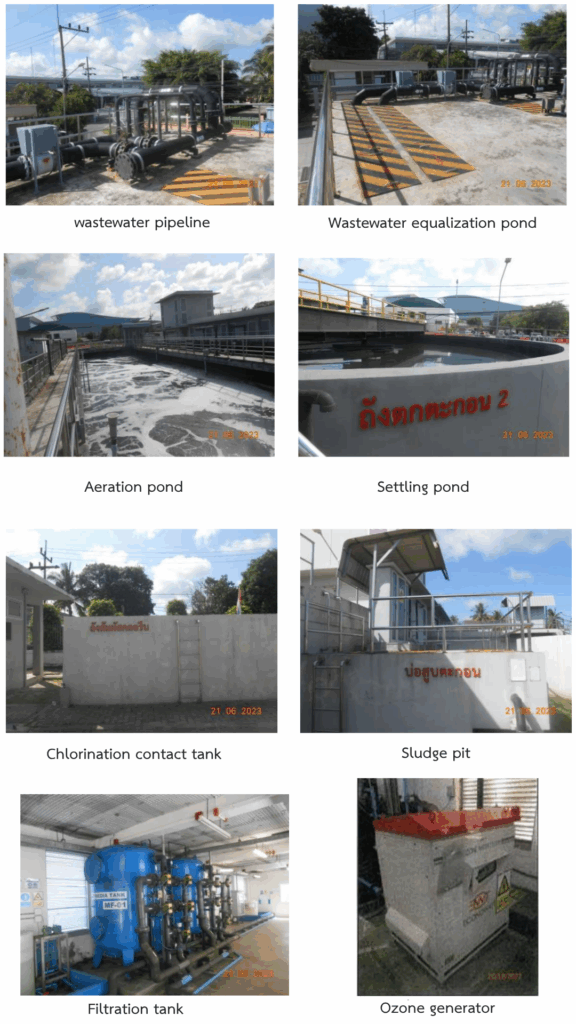
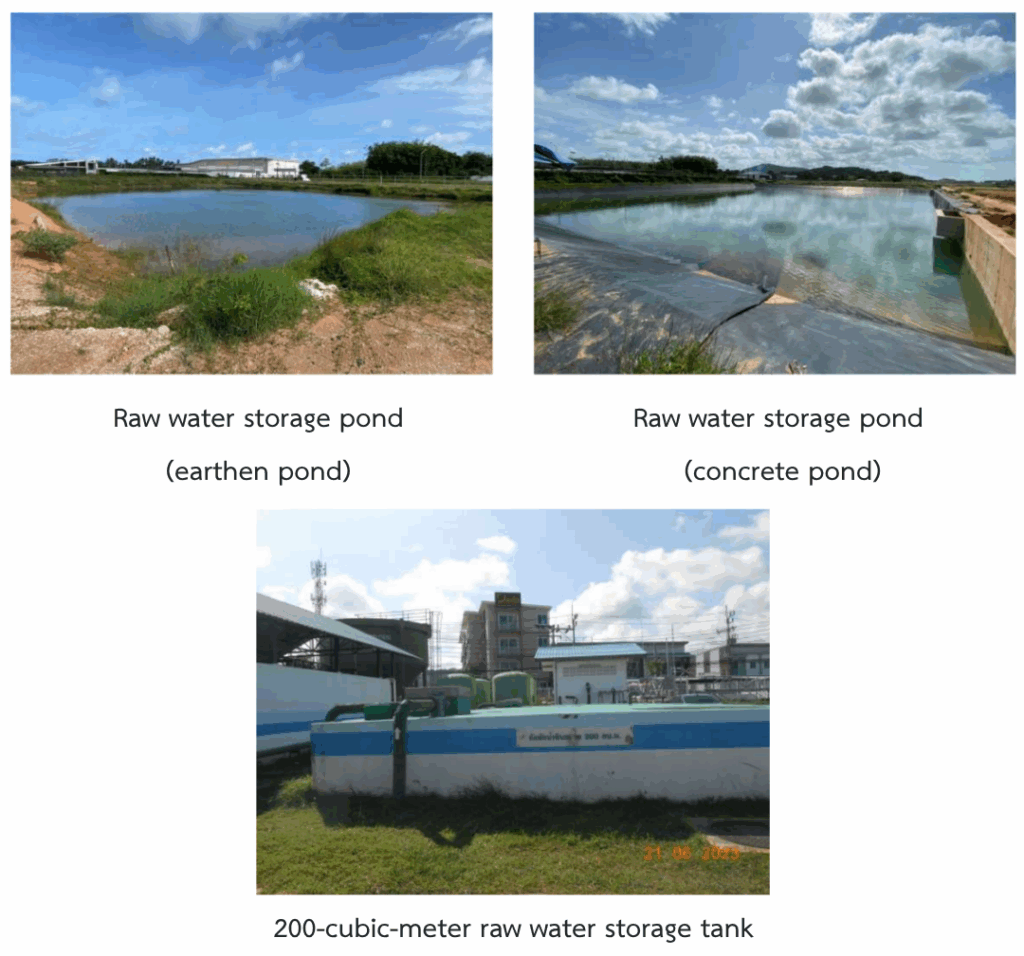
AOT manages water supply and wastewater treatment within its airport operations by installing raw water storage systems for usage purposes and wastewater treatment systems to ensure that all discharged water meets legal and environmental standards. An example is illustrated below:
- Wastewater Treatment System at Phuket International Airport
Phuket International Airport Raw Water Storage System
Long-term goals for monitoring environmental performance in airport management
| Environmental Topic | Long-Term Objective |
|---|---|
| Noise Pollution Management | Noise levels comply with legal requirements |
| Air Quality Monitoring | Ambient air quality around the airport complies with legal requirements |
| General and Hazardous Waste Management | Waste reduction volume complies with legal requirements |
|
Water Discharge Quality Management from Treatment System (The Management of Water Discharge Quality from Treatment System) |
Wastewater reduction volume complies with legal requirements |
ACI Asia-Pacific and Middle East Regional Board Meeting (ACI APAC & MID Regional Board)
Ms. Paweena Jariyathitipong, Acting President of Airports of Thailand Public Company Limited (AOT), along with Mr. Anaka Theerawiwatchain, Senior Executive Vice President (Strategy), and Mrs. Latchida Apaphant, Vice President of the International Affairs Department, attended the ACI Asia-Pacific and Middle East Regional Board (ACI APAC & MID Regional Board) meeting on November 25, 2025, in the Republic of Korea. The meeting aimed to acknowledge the past year’s performance, exchange experiences, and discuss factors affecting the aviation industry. Key topics included air traffic forecasts for 2025–2027, the readiness of regional airports, and climate change adaptation.
During the meeting, the ACI APAC & MID Regional Board officially approved the nomination of Ms. Paweena Jariyathitipong as a Board Member, effective from November 25, 2025. Additionally, AOT has been honored to host the upcoming ACI APAC & MID Assembly, Conference and Exhibition 2026, which will take place from May 12–14, 2026, in Bangkok.
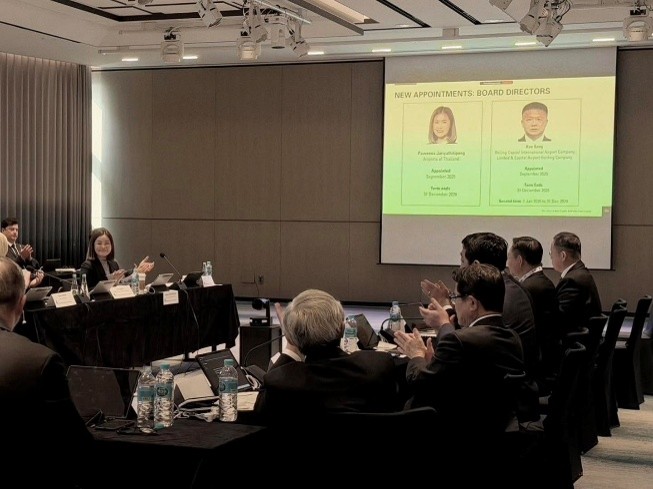
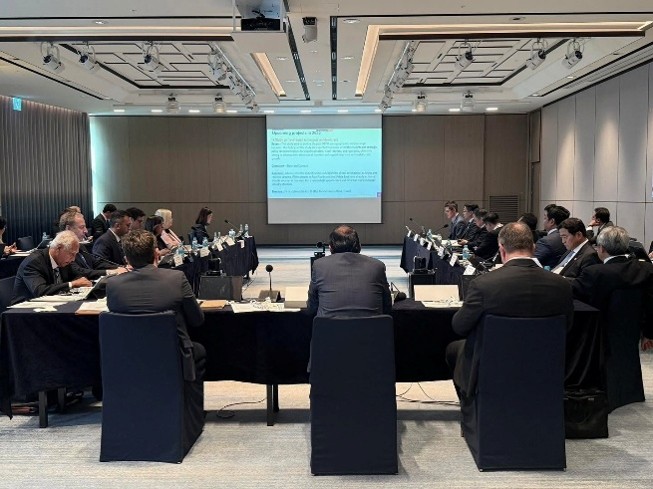
Ms. Paweena Jariyathitipong, President of Airports of Thailand Public Company Limited (AOT) and Board Member of the ACI Asia-Pacific and Middle East Regional Board (ACI APAC & MID Regional Board), along with Mr. Anaka Theerawiwatchain, Senior Executive Vice President (Strategy), Mrs. Latchida Apaphant, Vice President of the International Affairs Department, and AOT international affairs executives and staff, attended the ACI APAC & MID Regional Board meeting on May 12, 2026, at the Bangkok Marriott Marquis Queen’s Park.
The meeting aimed to acknowledge the past year’s operational results of ACI APAC & MID, exchange experiences and perspectives, and discuss key factors impacting the aviation industry. Critical topics included Middle East conflicts affecting flight routes and operational costs, jet fuel prices, airlines’ cost-reduction strategies, and regional airports’ preparedness and adaptation to climate change and sustainability challenges.
Additionally, the next ACI APAC & MID Regional Board meeting was scheduled for October 29, 2026, in the Hong Kong Special Administrative Region of the People’s Republic of China.
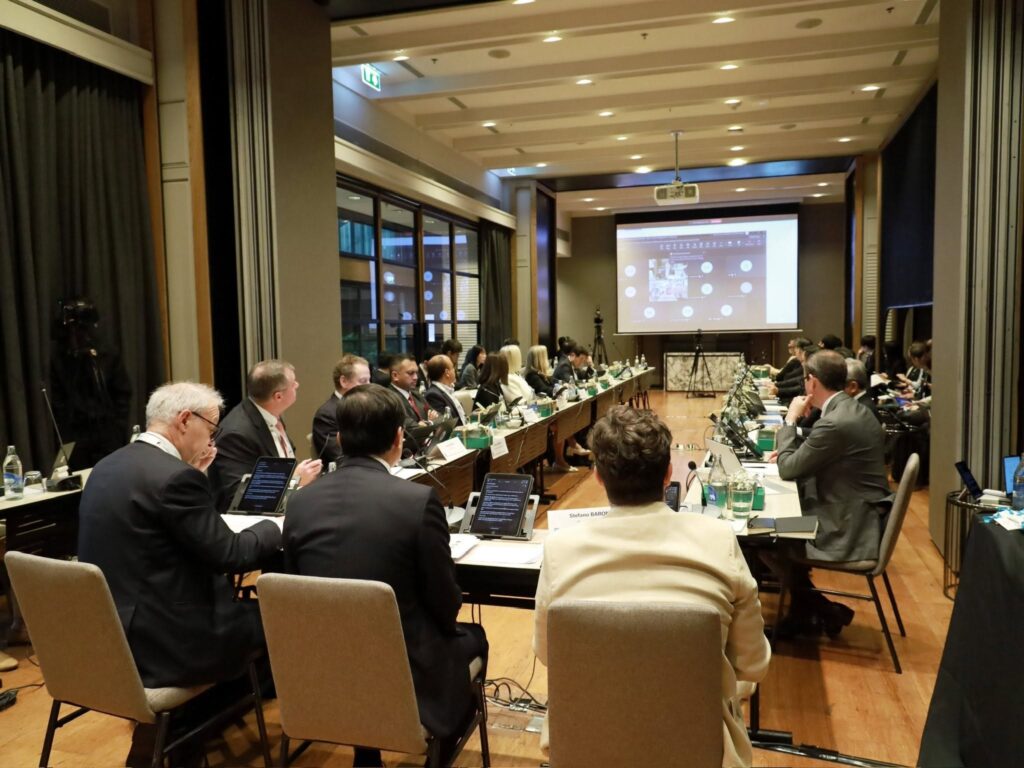
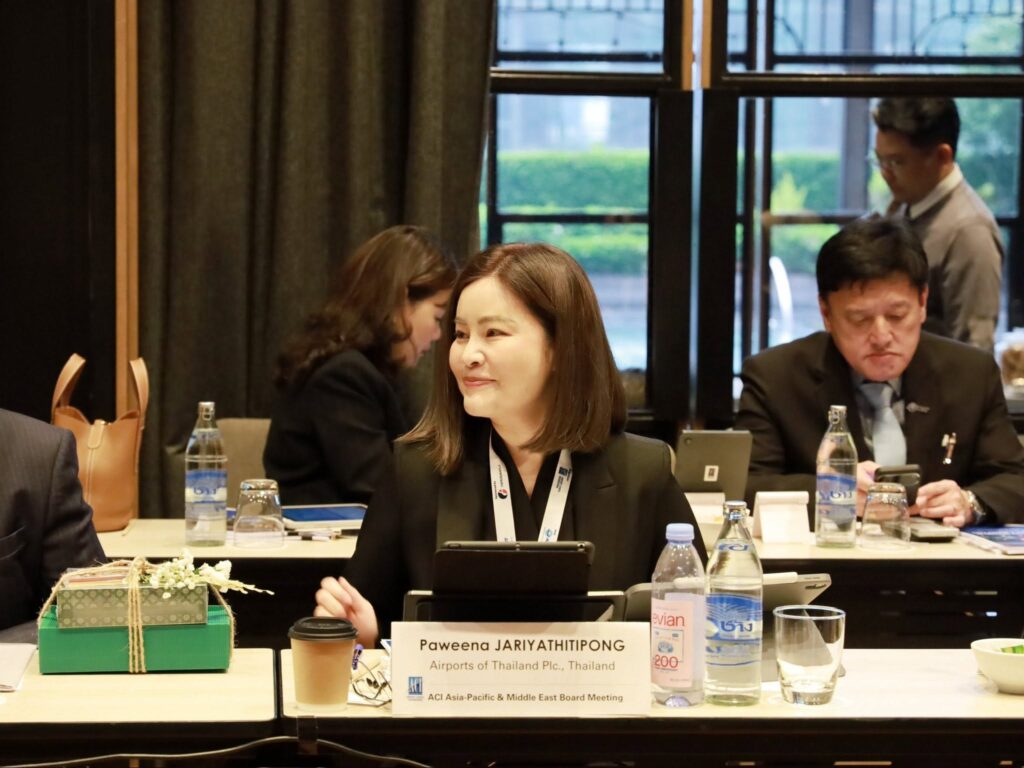
AOT Attends the 6th ACI Asia-Pacific and Middle East Regional Operational Safety Committee (ROSC) Meeting
Somchanok Tiamtiabrat, Acting Senior Executive Vice President (Airport and Aviation Standard) of Airports of Thailand Public Company Limited (AOT), presided over the opening ceremony of the 6th ACI Asia-Pacific and Middle East Regional Operational Safety Committee (ACI APAC & MID ROSC) meeting. The event took place from May 10–12, 2026, at the Bangkok Marriott Marquis Queen’s Park, Bangkok. Mrs. Darina Kuasakul, Vice President of the Airport Standard and Safety Department, attended as an ACI APAC & MID ROSC Board Member, alongside AOT representatives who participated as observers.
The meeting served as a vital platform for exchanging ideas and sharing aviation safety data. It also focused on collaborative efforts to develop and compile safety guidance documents for member airports. Additionally, the forum provided an important channel to present and address operational challenges in implementing International Civil Aviation Organization (ICAO) standards and recommended practices, channeling these insights through the committee to regional meetings on behalf of airport operators. Key aviation safety standards discussed included:
- Joint guidelines for lithium battery safety management.
Regulations on psychoactive substances and alcohol consumption (No-Fly Zone).
Personnel development, featuring plans for the “7th ACI APAC & MID Safety Recognition Award” in 2027.
The transition to PFAS-free firefighting foam (Guideline for Transition to non-PFAS foam) to minimize environmental impact in line with global standards.
AOT Attends the ACI Asia-Pacific and Middle East Regional Environment Committee (REC) Meeting
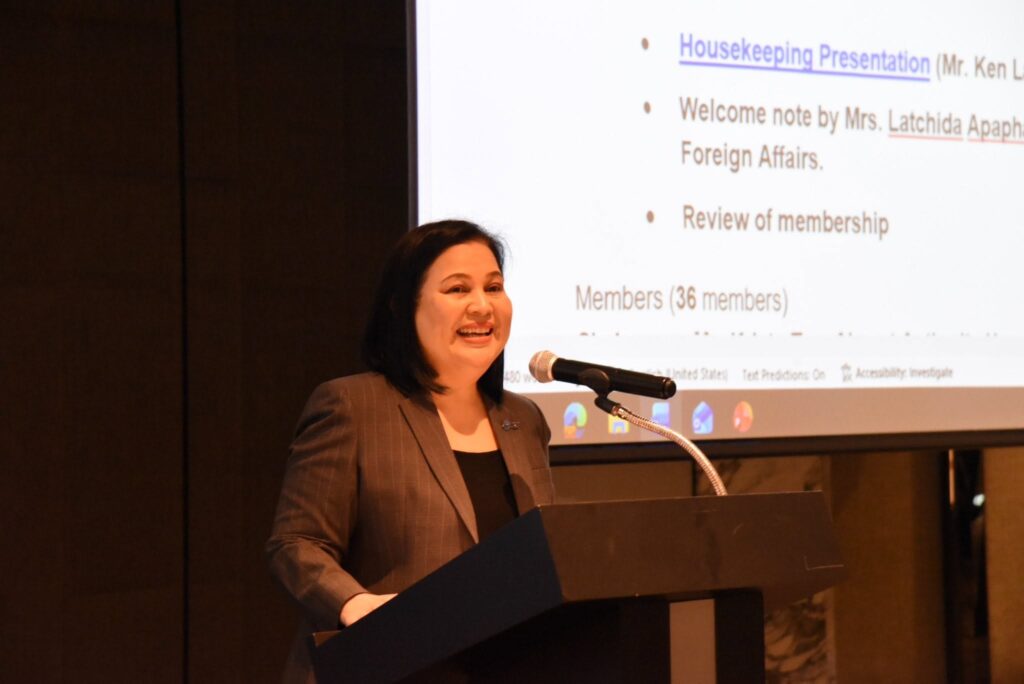
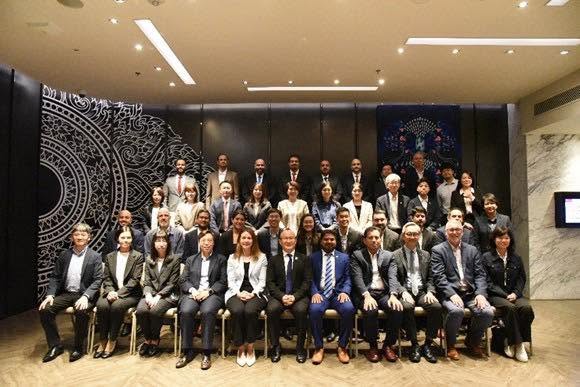
Meanwhile, Mrs. Latchida Apaphant, Vice President of the International Affairs Department of AOT, presided over the opening ceremony of the ACI Asia-Pacific and Middle East Regional Environment Committee (ACI APAC & MID REC) meeting, held from May 10–12, 2026, at the Bangkok Marriott Marquis Queen’s Park, Bangkok. Mrs. Palabh Sornnarine, Specialist 8 of the Environmental Department, attended as an ACI APAC & MID REC Board Member, accompanied by AOT representatives as observers.
The meeting aimed to exchange knowledge, experiences, and best practices in environmental sustainability among member airports, including the application of automation and technology to mitigate environmental impacts and enhance operational efficiency. The committee invited representatives from ACI World and ICAO APAC to present on global environmental policies and directions that could shape regional airport operations, such as Net Zero carbon emissions and the promotion of Sustainable Aviation Fuel (SAF). Furthermore, a joint session was held with the ROSC committee to integrate safety and environmental initiatives.
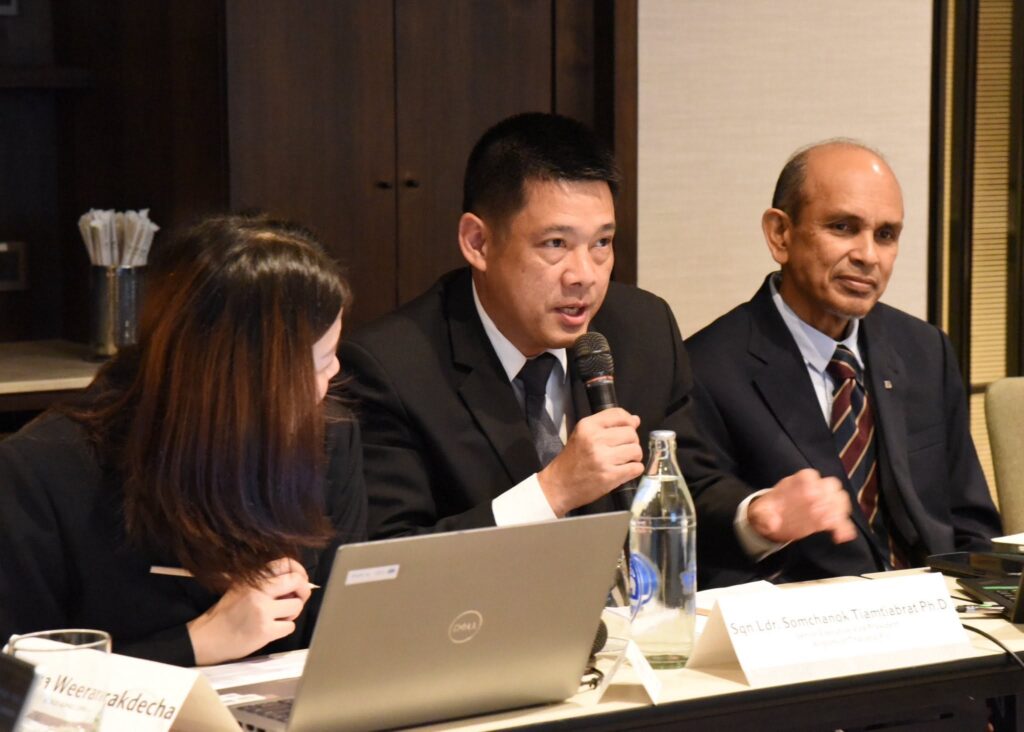
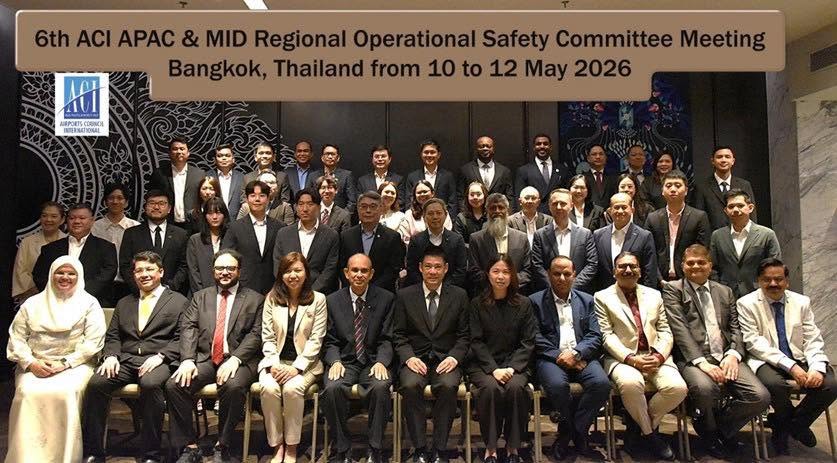
AOT Proud to Drive Global Pollution Reduction, Advancing Sustainability in the Aviation Industry
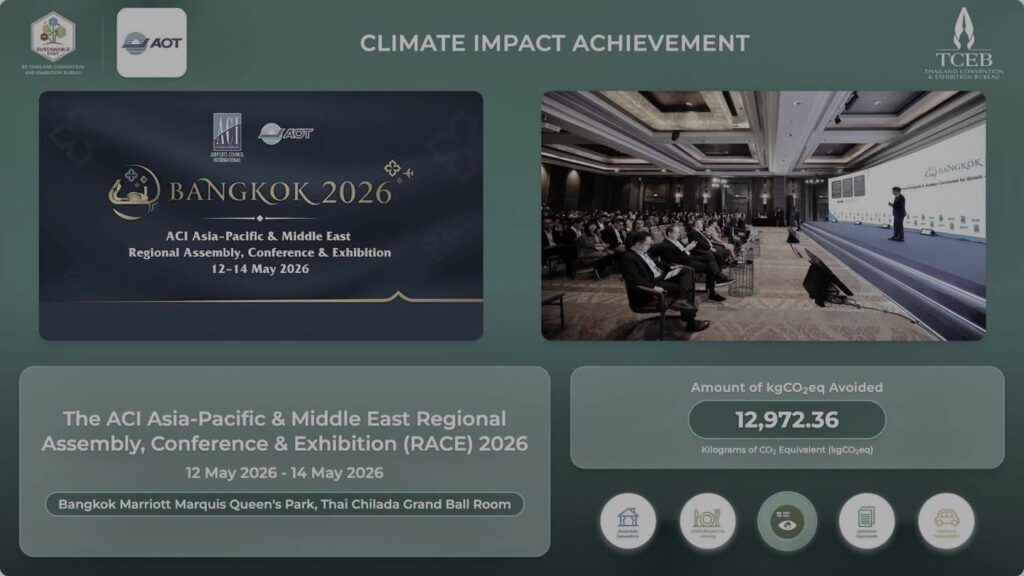
Airports of Thailand Public Company Limited (AOT) is moving forward with sustainable development by actively promoting Carbon Neutral Events. Most recently, at the ACI APAC & MID Regional Assembly, Conference & Exhibition (RACE) 2026, AOT successfully avoided more than 12,972 kgCO₂e in greenhouse gas emissions. Furthermore, AOT offset the remaining footprint by purchasing 139.38 kgCO₂e in carbon credits, reinforcing its commitment to reducing net carbon emissions and driving positive environmental impacts.
The event also served as a key platform for exchanging knowledge, operational experiences, and best practices in environmental management and sustainable airport development. International forums highlighted global environmental policies and trends shaping regional operations, including Net Zero carbon emissions and the adoption of Sustainable Aviation Fuel (SAF).
AOT remains committed to elevating passenger services while integrating sustainable environmental practices. This aligns with both national pollution reduction policies and United Nations goals, emphasizing the use of renewable energy to foster eco-friendly “Green Airports.”