
Background and Rationale
Impacts from Business Operations
The management and expansion of airport infrastructure have resulted in increased energy consumption. This is a key factor in greenhouse gas emissions that contribute to Climate Change. AOT recognizes the interconnection between energy use and climate-related impacts and is therefore committed to transitioning from fossil fuels–based energy to renewable energy, while simultaneously enhancing energy efficiency across all operational processes.
This approach helps reduce environmental impacts and mitigate indirect effects on communities and society, while responding to the expectations of a wide range of stakeholders, including regulators, investors, shareholders, and securities analysts who prioritize organizations environmentally responsible and business operations. Moreover, such efforts strengthen confidence among partners and stakeholders by clearly reflecting AOT’s approach to energy management and climate change adaptation, in line with the growing environmental awareness among customers and society.
Additionally, AOT prioritizes compliance with applicable standards and regulatory requirements at both national and international levels. These effortsnot only contribute to reducing environmental impacts and mitigating effects on communities and society, but also support long-term value creation and enhance the overall sustainability and resilience of the organization.
Challenges and Opportunities
AOT recognizes the challenges posed by climate change, which directly affect the operations of its 6 airports. Key challengesinclude increased energy consumption resulting from infrastructure expansion, continuedreliance on electricity generated from fossil fuels, and physical risks from natural disasters – such asflooding, heavy rainfall, and heatwaves-that may impact safety and service continuity.
In addition, AOT faces constraints related to investment costs for clean energy technologies and the need to comply with increasingly stringent sustainability standards, including the adoption of Sustainable Aviation Fuel (SAF) and Net Zero targets. There is also the challenge of elevating greenhouse gas management standards under the Airport Carbon Accreditation (ACA) program to be comparable with leading global airports, while rapidly evolving international environmental and aviation regulations may affects the organization’s competitiveness.
Nevertheless, these challenges also present an opportunities for AOT to enhance operational efficiency by focusing on the transition toward renewable and more sustainable energy sources, such as solar power and the use of electric vehicles (EVs). Effective energy and climate change management further strengthens stakeholder and sustainability-focused investor confidence, supporting AOT’s goal of achieving Net Zero Emissions by 2044 and contributing to the sustainable development of Thailand’s airport and aviation industry.
Commitment and Related Policies
AOT’s Commitment
Policy, Action Plan, and Related Practices
Airports of Thailand Public Company Limited (AOT) is committed to managing all airports under its responsibility in alignment with sound environmental practices, with the ultimate goal of transforming all six airports into internationally recognized Low-Carbon Airports. The company’s efforts are guided by the framework of the Airport Carbon Accreditation (ACA) program, initiated by the Airports Council International (ACI).
To ensure concrete implementation, AOT has established the Sub-Committee on Sustainable Development and Climate Change under the Board of Directors (Board Oversight) to drive relevant policies and action plans forward. This sub-committee is also tasked with closely monitoring the progress and performance of all departments to ensure alignment with AOT’s environmental policy, including key programs related to climate initiatives, such as climate lobbying activities conducted through contributions to trade associations and policy–focused initiative.
Furthermore, AOT’s environmental management initiatives at all six airports are carried out in accordance with the AOT Corporate Plan for Fiscal Years 2023 – 2027 (Reviewed for FY2025). These efforts fall under the Airport Strategic Positioning framework and the company’s Environmental Policy for Airports, reinforcing a unified and compliant approach to environmental governance – strictly adhering to all applicable laws and regulations.
Recognizing the urgency and importance of energy management and climate change mitigation, Airports of Thailand Public Company Limited (AOT) has established relevant policies, action plans, and operational guidelines, which include the following:
Goals and Performance
Not exceeding base year
by 50% from base year
| Key Performance Indicator | Target FY2025 | Performance FY2025 |
|---|---|---|
| Solar power generation capacity at Suvarnabhumi Airport (MWp) | 14 | 4.4 |
| Reduction of GHG emissions (Scope 1 & 2) per passenger (%) | 4.00 | |
| Suvarnabhumi Airport | — | 11.45 |
| Don Mueang Airport | — | 10.40 |
| Phuket Airport | — | 18.67 |
| Chiang Mai Airport | — | 13.17 |
| Reduction of GHG emissions (Scope 1 & 2) per revenue (%) | 2.20 | |
| Hat Yai Airport | — | 16.92 |
| Mae Fah Luang – Chiang Rai Airport | — | 8.49 |
| Preparation of Carbon Management Plan | 100% | 100% |
| Climate risk assessment and mitigation measure development for climate change management |
100% | 100% |
KPIs have been updated to align with AOT's State Enterprise Development Plan FY2023–2027 (Revised Edition, FY2025) and are benchmarked against the base year 2024. Targets are compared against the base year 2024. Greenhouse gases covered include Scope 1 and Scope 2 emissions.
Climate-Related Policies and Trade Association Activities – Airports Council International (ACI)

Airports Council International (ACI) plays a significant role in addressing climate change through its environmental initiative, the Airport Carbon Accreditation (ACA) program. The program encourages airports to reduce CO₂ emissions in order to achieve certification at various accreditation levels. In addition, ACI promotes long-term capacity building among its members, including the adoption of clean technologies, the reduction of carbon dioxide and greenhouse gas emissions, and the exploration of new market opportunities.
In support of the ACA framework, AOT has established and disclosed relevant policies to drive its climate-related operations. The scope of activities implemented by AOT in support of ACA includes the following:
- Supporting airports in reducing carbon emissions to address climate change
- Promoting the adoption of clean technologies to reduce air pollutant emissions
- Establishing long-term carbon dioxide emissions reduction targets
- Enhancing climate adaptation and resilience capabilities
In the event that ACI revises its position on climate change, AOT will review and align its support approach accordingly. Furthermore, in support of and contribution to climate change mitigation efforts in line with the Paris Agreement, AOT has actively engaged in knowledge exchange on airport operations and strengthened relationships with airport executives from other regions. Such collaboration enhances opportunities for market expansion and trade cooperation among business partners, while reinforcing AOT’s corporate image as a leader in air transportation, particularly in relation to climate change and the global Net Zero agenda. Membership in climate-focused associations also reflects AOT’s commitment to supporting international policies and initiatives aimed at reducing the impacts of climate change at the global level.
Management Approaches
Overall environmental strategy
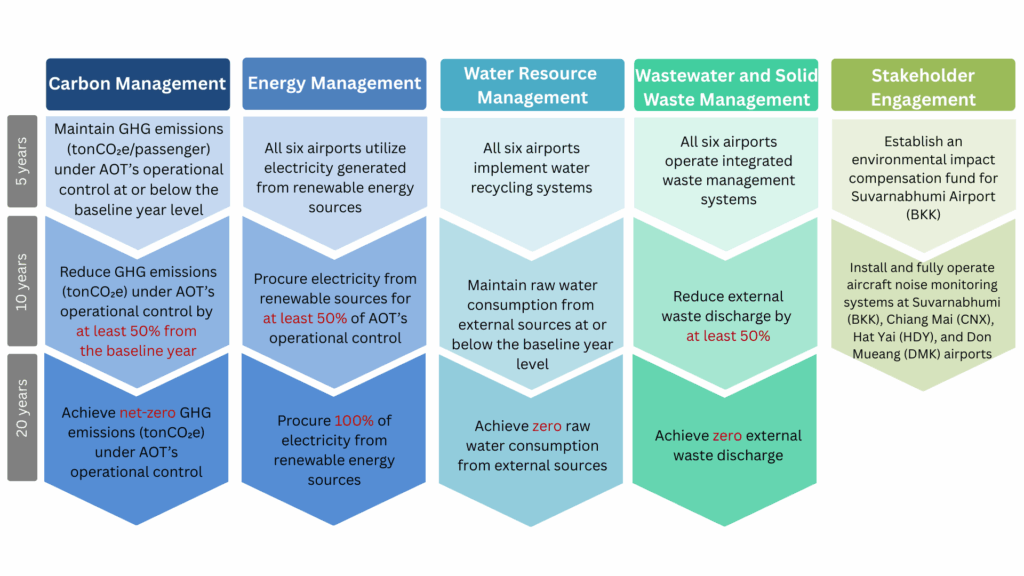
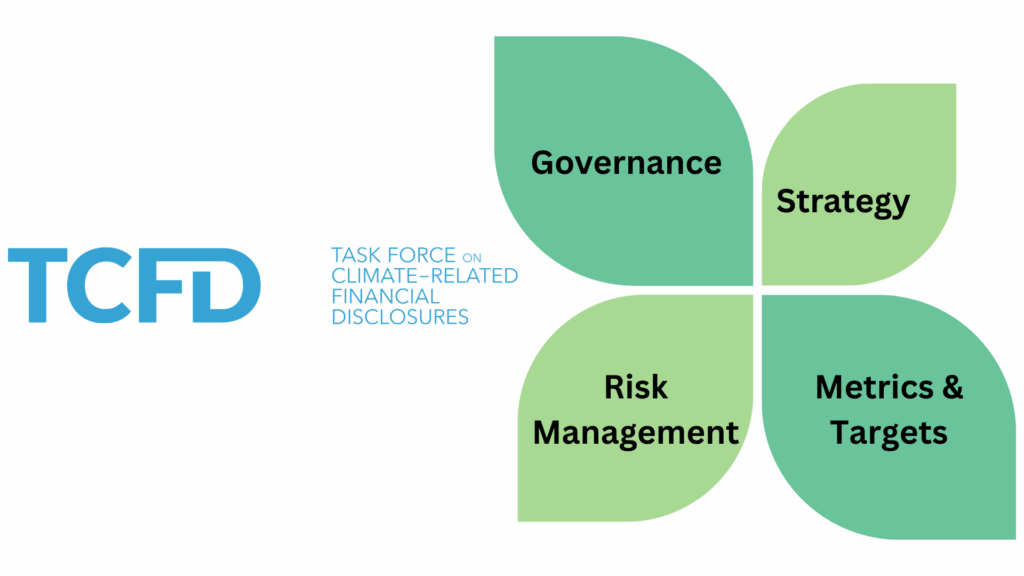
AOT formulates operational plans related to energy and climate change in alignment with the Task Force on Climate-related Financial Disclosures (TCFD) framework, comprising the following components:
Management and Governance Structure
AOT has established a clear governance structure for energy and climate change management, ranging from the Board level to the operational level, to ensure that these issues are integrated into the organization’s policy formulation, strategic planning, and business decision-making processes.
The AOT Sustainable Development Subcommittee plays a key role in overseeing, reviewing, and monitoring the progress of energy and climate change initiatives. The Subcommittee is also responsible for considering key policies, targets, and action plans before proposing them to the Board of Directors for approval, ensuring that operations are aligned with the organization’s strategy and relevant international standards.
Lorem ipsum dolor sit amet, consectetur adipiscing elit. Ut elit tellus, luctus nec ullamcorper mattis, pulvinar dapibus leo.
| Working Group / Division | Roles and Responsibilities | |||
|---|---|---|---|---|
|
👥
AOT Board of Directors
|
|
|||
|
🌱
Sub-Committee on Sustainable Development and Climate Change
|
|
|||
|
📈
Working Group on Measurement and Assessment of Eco-Efficiency Performance of AOT
|
|
|||
|
🌍
Environmental Division
|
|
|||
|
⚡
Energy Management Working Group
|
|
Incentives for Climate-Related Management
AOT has integrated energy and climate change considerations into its performance evaluation and incentive systems to promote accountability and engagement among executives and employees at all levels. The incentive mechanisms are structured across 3 levels – executive leadership, management, and operational – linked to the achievement of organizational targets and performance outcomes in energy management and greenhouse gas emission reductions, as follows:
| President & CEO | Achievement of energy and climate change targets set out in AOT's State Enterprise Development Plan FY2023–2027 (Revised Edition, FY2025), incorporated as part of performance-based compensation evaluation |
| Senior Executives | Achievement of Eco-Efficiency measurement and performance evaluation targets, incorporated as part of performance-based compensation evaluation |
| Operational Staff | Awards for winners of the Innolution Creative Ideas Competition |
Strategy
AOT has established 4 key approaches to energy and climate change management, as follows:
| ⚡ Energy Index | 🌍 Airport Carbon Accreditation (ACA) | 🤝 Collaboration with International Organizations | 🎯 Incentives for Climate-Related Management |
|---|---|---|---|
| AOT conducts annual energy audits and eco-efficiency performance assessments, covering its Head Office and all six airports under its operation. These assessments are based on data compiled from airport energy usage reports (Energy Reports), benchmarked against AOT’s revenue to evaluate energy performance in relation to economic output. In addition to collecting energy consumption statistics, AOT also conducts ongoing studies to identify new opportunities for reducing energy use. A dedicated budget has been allocated to support the implementation of these initiatives. |
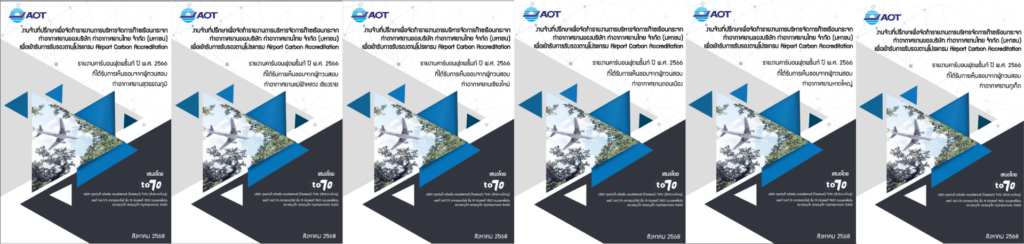
AOT operates the Airport Carbon Accreditation (ACA) program to monitor greenhouse gas emissions across its 6 airports. Of these, 5 airports have achieved Level 3 - Third Party Engagement in Carbon Footprint Reduction,and 1 airport has achieved Level 2 - Carbon Management Towards a Reduced Carbon Footprint, demonstrating data collection and greenhouse gas emission reduction efforts throughout the supply chain. All AOT airports have developed and are operating in accordance with a Carbon Management Plan. |
|
AOT has established an incentive structure for its employees to enhance motivation in implementing energy and climate-related initiatives. The incentives are categorized into three levels:
|
Energy and Climate Risk Management Approach
AOT has established an approach to energy and climate change risk management in accordance with the Risk Management Manual for Fiscal Year 2024, integrated into AOT’s business operations throughout the supply chain. This encompasses climate scenario analysis, Risk & Opportunity Assessment, and Physical Climate Risk Adaptation.
|
🔍
3.1 Climate-Related Scenario Analysis
AOT conducts climate-related scenario analysis to forecast situations in which the global average temperature rises above, below, or equal to 2°C, covering both Physical and Transition perspectives.
|
📈
3.2 Financial Risk & Opportunities of Climate Change
AOT identifies short-, medium-, and long-term climate change risks across its value chain, covering current and emerging regulations, technology, legal, market, reputational, and physical risks - both acute and chronic. AOT also identifies business opportunities arising from climate change, referencing Singapore's Internal Carbon Price.
|
🔄
3.3 Climate Risk Adaptation
AOT has established a Business Continuity Plan (BCP) to guide responses to natural disasters resulting from climate change. The plan is certified under ISO 22301:2019 within the scope of Business Continuity Management of Airport Services, covering the head office and all 6 airports, with a 3-year certification period spanning FY2022–2025. The adaptation framework also covers AOT's future operational sites.
|
Energy Management
Energy Management Results of Climate Change Risk Assessment and Determination of Management Measures
| Assessment Results | Management Measures | |
|---|---|---|
| Policy | The effectiveness of communicating environmental policies from top management to operational levels can be further strengthened to ensure more tangible implementation outcomes. |
|
| Organizational Management | A clear management structure has been established to oversee energy conservation and greenhouse gas emissions reduction initiatives. |
|
| Support and Motivation | Training programs should be continuously enhanced to align with the evolving needs of airport personnel. |
|
| Performance Measurement | Monitoring and evaluation processes can be further improved to more effectively support airport greenhouse gas emissions reduction targets. |
|
| Communication | Communication content should be continuously improved to enhance awareness and encourage feedback exchange among personnel for greater airport operational efficiency. |
|
| Investment | Financial resources allocated to support greenhouse gas emissions reduction measures may not yet be sufficient to achieve optimal implementation outcomes. |
|
Raising awareness on energy and climate change
| Activities / Programs | Communication | Training | |
|---|---|---|---|
| Internal |
|
|
|
| External |
|
|
|
Approaches to Managing Impacts
Guidelines / Operations Energy Consumption Analysis
AOT has conducted energy consumption analysis as part of the preparation of its Eco-efficiency performance reporting. This analysis considered energy usage throughout the Value Chain of all 6 airports, covering both core processes and supporting processes. This resulted in the following energy management operational practices:
- Utilization of Building Automation Systems (BAS) to control air conditioning systems.
- Replacement of light bulbs inside airport terminal buildings with LED lighting systems.
- Installation of high efficiency chillers to reduce indoor heat.
- Installation of high efficiency motors for large-scale air conditioning units.
- Installation of EV Chargers in the taxi service area to facilitate and promote the use of electric vehicles.
- Installation of EV Chargers in the Airside area for vehicles used in airport operations.
- Replacement of air conditioning chillers in the airport office building with high-efficiency models. Two chillers were replaced to increase energy efficiency and reduce greenhouse gas emissions.
- Planning and managing the switching on/off of lighting and air conditioning systems within the passenger terminal to align with operational periods and passenger volumes.
- Replacement of lighting fixtures in the Taxiway, Apron, Passenger Terminal, and Office Building areas from Halogen bulbs to LED bulbs.
- Lighting Control System: Utilized a central control system to turn off lights in the domestic passenger hall between 23:30 and 04:00 Hours.
- LED Conversion: Replaced lighting systems in the parking lot, runway, and airfield lighting systems with LED bulbs.
- Chiller System: Upgraded the chiller system within the International Passenger Terminal.
- Assessment: Measured and evaluated electricity usage by operational category to monitor and improve energy reduction measures.
- Runway/Taxiway: Installed LED bulbs along the Taxiway and Runway areas.
- Aircraft Stands: Converted lighting at aircraft parking stands from halogen bulbs to LED bulbs.
- Management: Planned and managed the turning on/off of terminal lighting to align with operational periods and passenger volumes.
- Aviation Lighting: Replaced Approach Lights (from halogen) and Flashing Lights (from incandescent), as well as interior terminal lighting, with LED bulbs.
- Edge Lighting: Converted lighting in the parking lot, runway edge lights, and taxiway edge lights from halogen to LED.
Energy-Efficient Buildings
AOT has undertaken the construction of its Second Headquarters and the Aviation Academy Office Building, placing a strong emphasis on energy-efficient design and construction. The project incorporates natural lighting, appropriate ventilation, rainwater management systems, the selection of materials with low environmental impact, and the creation of surrounding green spaces. These measures aim to enhance the quality of life for building occupants and support sustainable development. Both buildings were designed in compliance with the LEED for Building Design and Construction (LEED BD+C) criteria, the international green building standard established by the U.S. Green Building Council (USGBC) for New Construction and Major Renovations.


Relevant Master Plans
Metrics & Targets
AOT has established energy and climate-related targets and indicators as a framework for systematically monitoring performance and assessing progress. These targets cover both the reduction of greenhouse gas emissions from operations (Scope 1 and Scope 2) and the enhancement of carbon dioxide sequestration capacity.
The targets are defined based on appropriate base years, with performance regularly monitored and evaluated. The assessment results are presented to the Sustainable Development Subcommittee for consideration and are used to support the review of targets and measures to ensure alignment with business contexts and relevant international standards.
🌿 Climate Change Targets
| Strategic Target Indicators | Unit | Annual Targets | ||||
|---|---|---|---|---|---|---|
| 2024 | 2025 | 2026 | 2027 | 2028 | ||
|
1.
Reduction of greenhouse gas emissions (Scope 1 and Scope 2)
|
tCO₂e per passenger | Base Year | 5% | 10% | 15% | 20% |
|
2.
Increase carbon dioxide sequestration capacity by 20% from the base year (2024) by 2028
|
tCO₂e | Base Year | 5% | 10% | 15% | 20% |
Airport Carbon Accreditation (ACA)
Six airports under the responsibility of Airports of Thailand Public Company Limited (AOT) have participated in the Airport Carbon Accreditation (ACA) programme, developed by Airports Council International (ACI), to demonstrate their commitment to systematically managing and reducing greenhouse gas (GHG) emissions from airport operations in alignment with international climate change mitigation goals.
Under the ACA programme, AOT conducts the assessment and verification of greenhouse gas emissions, expressed as carbon dioxide equivalent (CO₂e), arising from airport operational activities in accordance with the Airport Carbon Accreditation Guidance Document. The scope and intensity of GHG management progressively increase in line with each ACA accreditation level, leading to the continuous and tangible implementation of GHG emissions reduction measures.
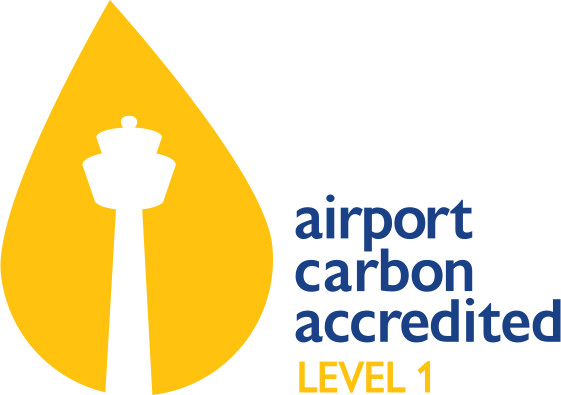
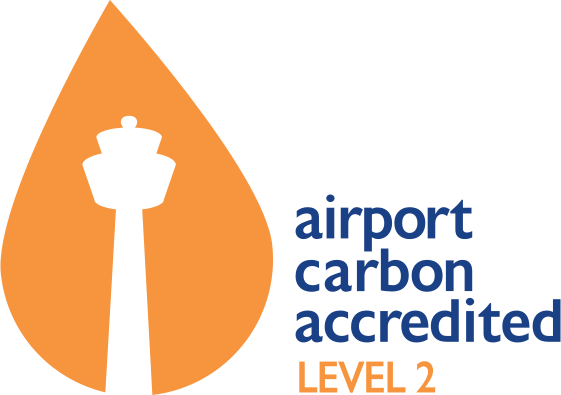
The ACA programme comprises seven accreditation levels, each presenting progressively greater challenges. To advance through these levels, airports are required to continuously enhance the scope and effectiveness of their greenhouse gas management practices, as follows:
EMISSIONS
CREDITS

ZERO
Scope 1,2
MGMT
REMOVALS
Operational Plan for FY 2025
Solar Power Installation (Solar Cell)
Since the business operations of the Airports of Thailand (AOT) require continuous 24-hour energy consumption, AOT has established guidelines for clean energy usage through the installation of solar power generation systems (Solar Cell). This initiative prioritizes the most efficient utilization of areas within the airport grounds.
Operations are currently being conducted within Suvarnabhumi Airport, divided into 2 phases. This includes Solar Rooftop and Solar Floating systems across a total of 7 areas within the airport. The total generation capacity is 37.819 MW, utilizing a total of 63,964 Monocrystalline panels. The installation areas cover the roofs of main buildings, parking lots, and the water retention ponds to the north and south of the airport.
Assessments indicate that this installation can reduce costs associated with electricity generated from natural gas by approximately 1,841 million Baht per year. Furthermore, since solar energy is a limitless resource and Thailand enjoys sunlight throughout the year, electricity can be generated continuously from the solar panels.
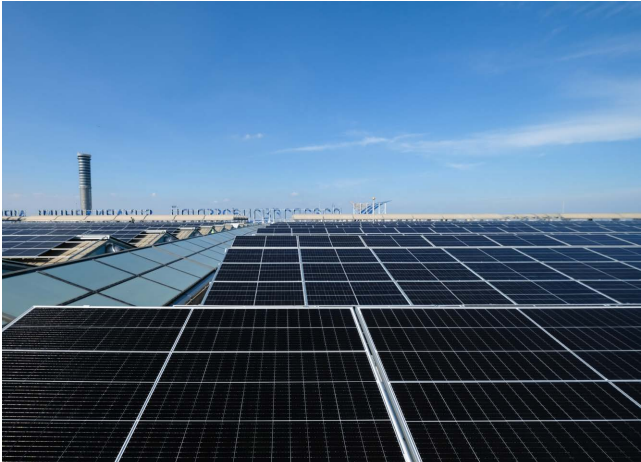
Suvarnabhumi Airport is the first airport to adopt renewable energy, installing solar photovoltaic (PV) panels to convert sunlight into electricity for on-site use.
Phase 1 involved installation on passenger terminal rooftops with a total capacity of 11.174 MW.
In Phase 2 at Suvarnabhumi Airport, additional installations will increase capacity by 33.41 MW.
The project expands to floating solar systems, resulting in a total installed capacity of 26.645 MW.
Installation of Electric Vehicle Charging Stations (EV Charging Station)
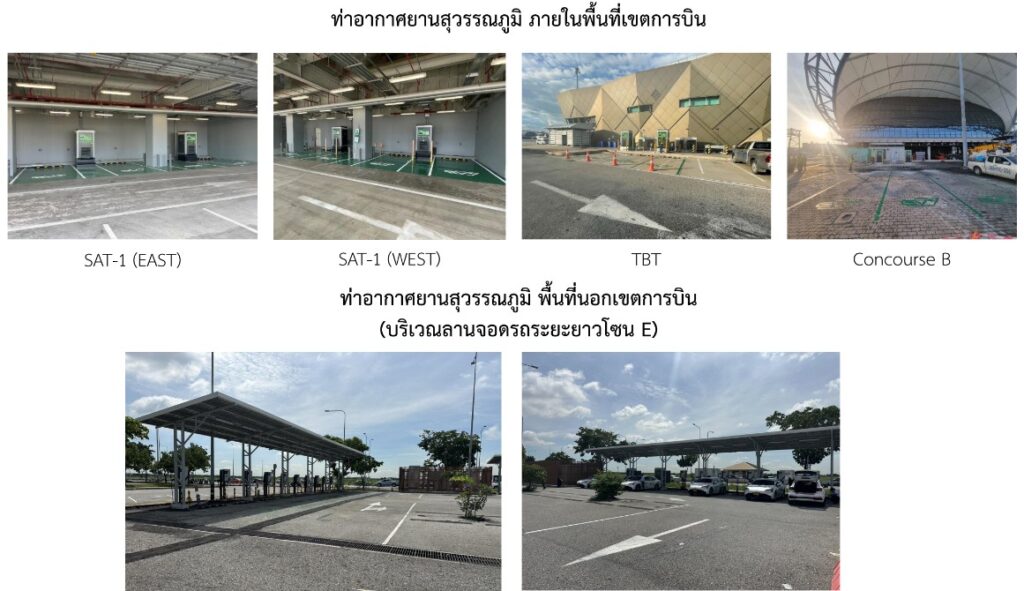
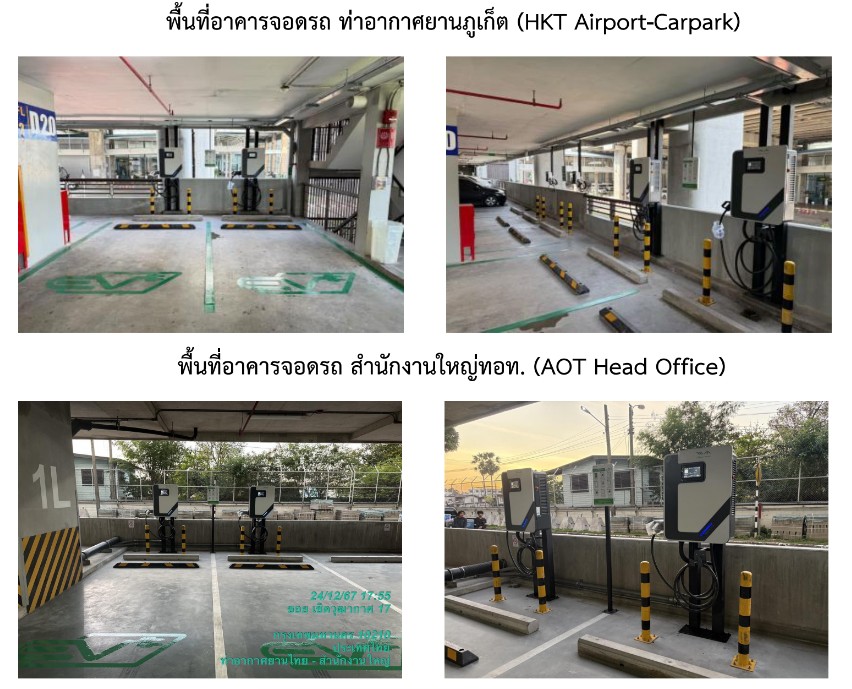
AOT, in collaboration with Airports of Thailand Absolute Energy Co., Ltd., is working to enhance integrated electrical energy efficiency by installing EV Charging Stations within airport areas.
Plans are in place to install charging stations at Suvarnabhumi Airport, Phuket International Airport, and AOT Headquarters. Additionally, the “EV Anywhere” application is being developed to facilitate convenience for service users.
Climate Change Management
Management Guideline and Operational Practices
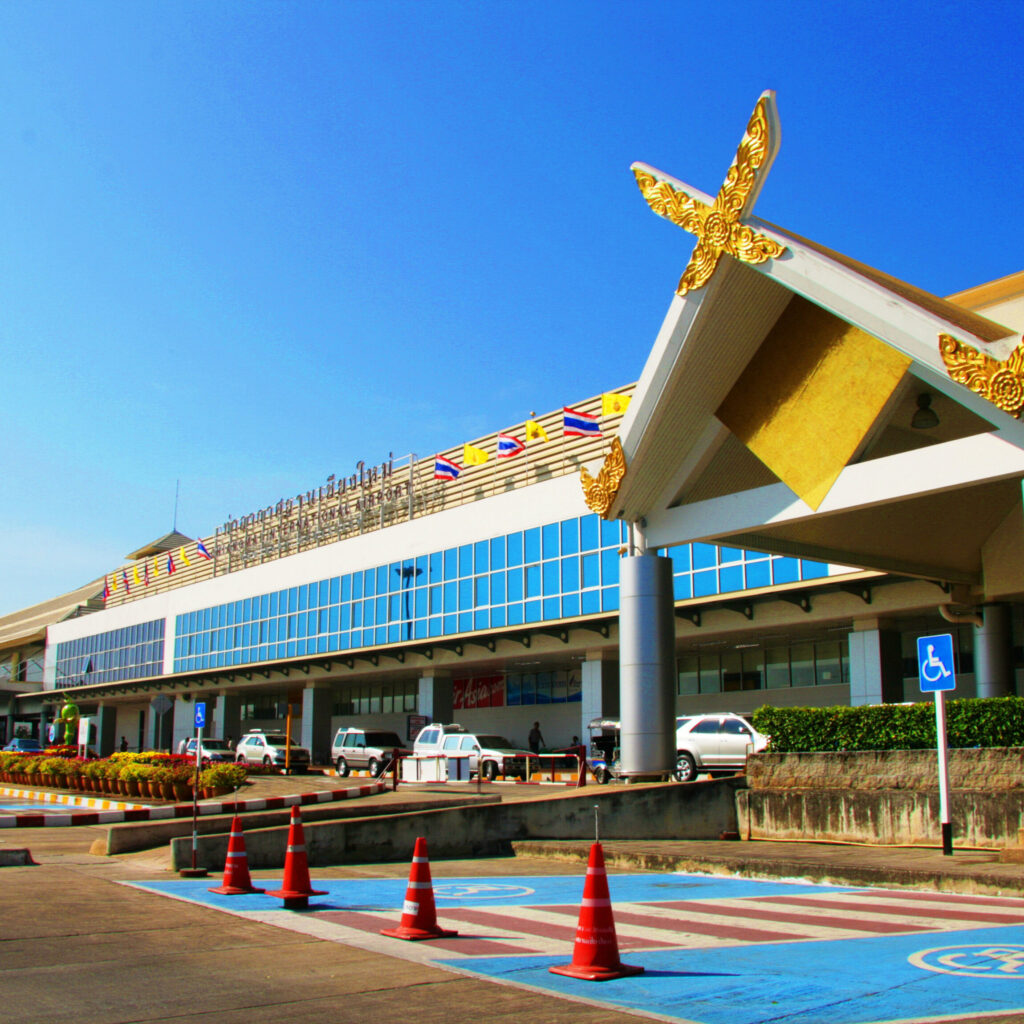
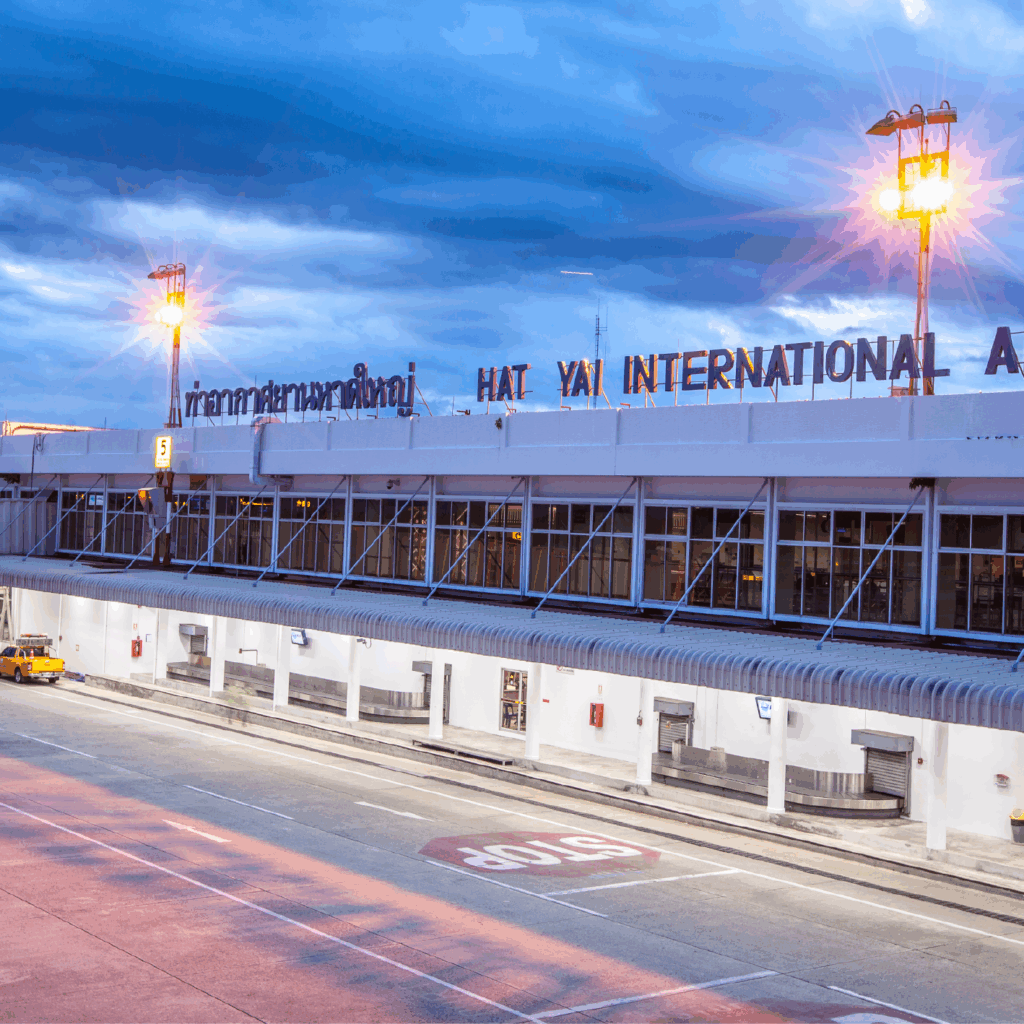
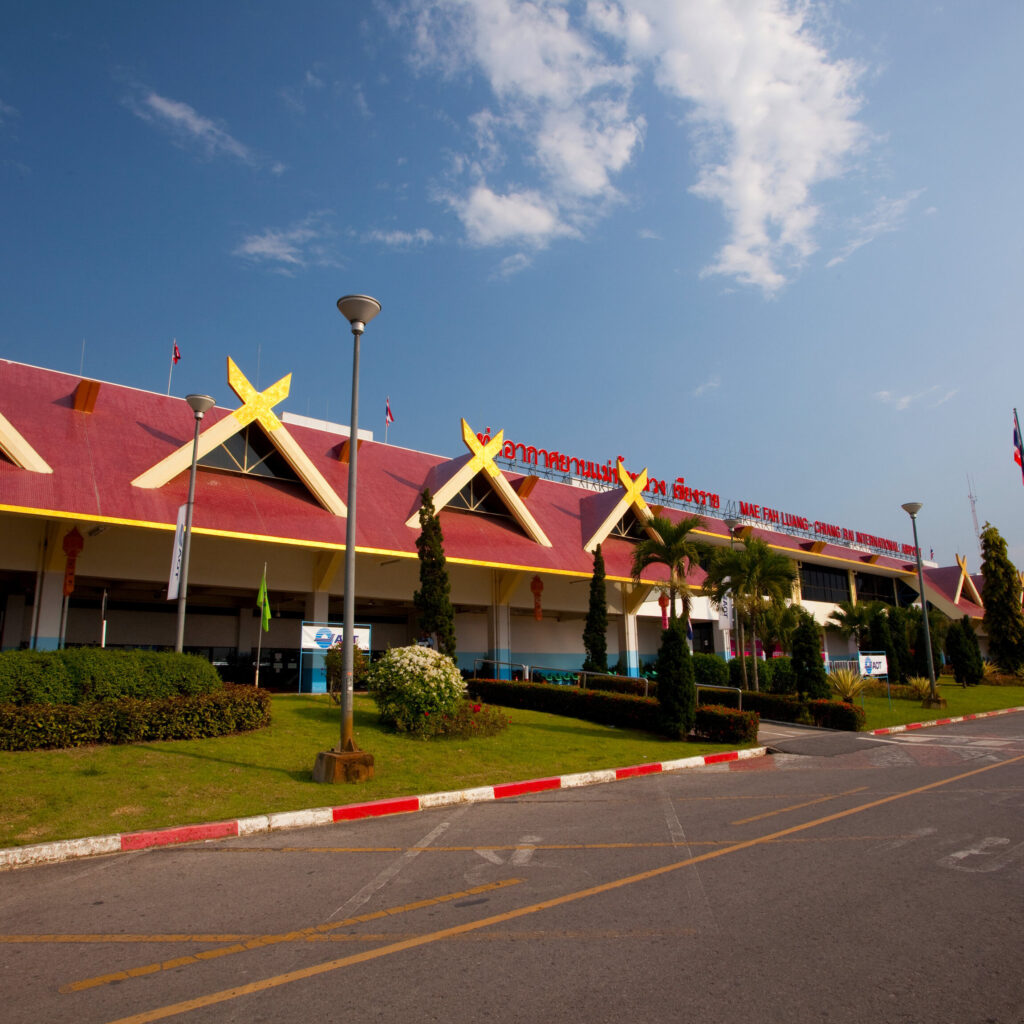
Participation in and progression through the Airport Carbon Accreditation (ACA) programme serve as a key mechanism supporting Airports of Thailand Public Company Limited (AOT) on its pathway toward Carbon Neutrality and Net Zero Emissions, while strengthening the role of Thai airports as climate-responsible aviation infrastructure at both regional and global levels. Currently, Suvarnabhumi Airport, Don Mueang International Airport, Chiang Mai International Airport, Chiang Rai International Airport, and Hat Yai International Airport have achieved ACA Level 3: Third Party Engagement in Carbon Footprint Reduction., while Phuket International Airport has attained ACA Level 2: Carbon management towards a reduced carbon footprint.



Collaboration with International Organization
AOT has joined the United Nations Global Compact (UNGC) and the Airports Council International (ACI) to continuously report progress on climate change management, reflecting AOT’s commitment to contributing to greenhouse gas emissions reduction toward environmentally friendly airports and supporting the United Nations Sustainable Development Goals (UN SDGs).
In addition, AOT actively participates in ACI meetings and climate-related initiatives, such as Sustainable Aviation Fuel (SAF), management of firefighting foams containing PFAS, Green Airports Recognition, and the Airport Carbon Accreditation (ACA) programme, among others.
Roles and Responsibilities
The operation of Climate Change Management at Airports of Thailand Public Company Limited (AOT) falls under the responsibility of the AOT Sub-committee on Sustainable Development and Climate Change (refer to the organizational chart showing the hierarchy of departments and lines of work above).Their duties include considering the preparation of the Environmental Master Plan, establishing policies and goals regarding sustainable development and climate change, and reviewing relevant operational guidelines. Furthermore, they are responsible for supervising, monitoring, and evaluating performance, as well as determining appropriate operational guidelines for future phases.
Operational Plan for FY 2025
- Preparation of Carbon Management Plans for all 6 airports.
- Risk assessment and study of development guidelines regarding climate change, covering 6 aspects: Policy, Organizational Management, Support and Incentives, Performance Measurement, Communication, Investment
- Participation in study visits and knowledge exchange regarding climate change with other airports.
Operational Activities
Fuel-Efficient Taxiway Design for the New Third Runway
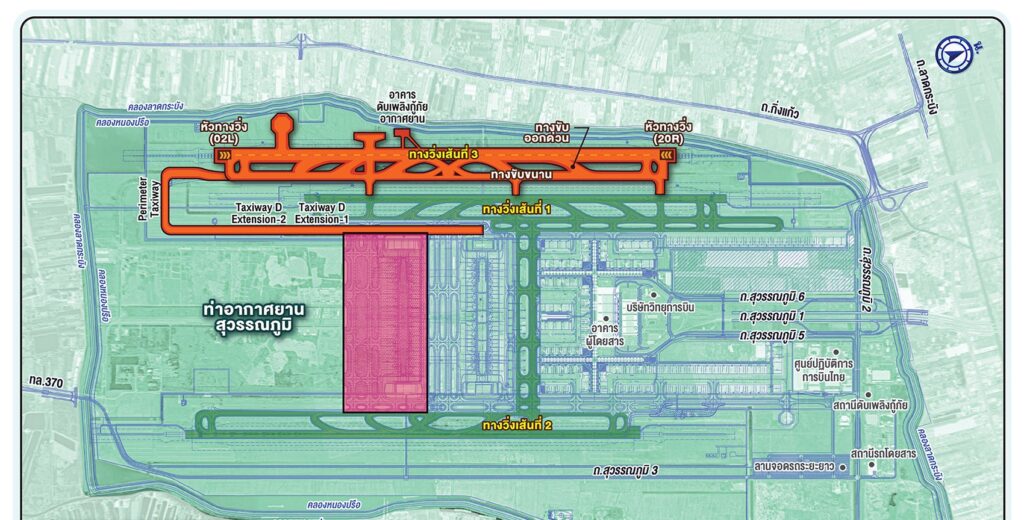
AOT implemented the Third Runway Development Project at Suvarnabhumi Airport to enhance airport operational efficiency while integrating low-carbon service principles, greenhouse gas emissions reduction, and energy-efficient airport infrastructure into both the design and operational phases. The project forms part of AOT’s climate change risk management strategy, particularly in addressing transition risks associated with greenhouse gas emission requirements, energy costs, and the organization’s ability to adapt to an evolving regulatory and market environment that is increasingly focused on a low-carbon economy. In addition, the project helps mitigate operational risks related to airport service efficiency and airside ground traffic management.
A key feature of the project is the implementation of Rapid Exit Taxiways (RET) connected to the third runway, enabling aircraft to vacate the runway more quickly and efficiently, thereby reducing taxiing time. The design also enhances airside traffic flow management for both arriving aircraft, from runway exit to aircraft stands, and departing aircraft, from pushback operations to runway access. These improvements contribute to lower aircraft fuel consumption, reduced greenhouse gas emissions, decreased engine-related air pollutants during taxiing operations, and reduced overall energy consumption within airport operations. Quantitative outcomes from the project have been incorporated into business impact and cost-benefit assessments. Furthermore, the infrastructure has been designed in accordance with International Civil Aviation Organization (ICAO) safety standards, ensuring that operational efficiency improvements are achieved without compromising internationally recognized aviation safety requirements.
The third runway at Suvarnabhumi Airport officially commenced operations on 1 November 2024, increasing the airport’s flight handling capacity from 68 to 94 movements per hour. This enhancement has significantly improved operational efficiency and strengthened the airport’s ability to accommodate growing air traffic demand. The resulting reduction in aircraft taxiing time and fuel consumption has generated avoided greenhouse gas emissions, which were valued at approximately THB 8.33 million based on avoided carbon emissions pricing.
Low-Carbon Airport Operations through 400 Hz Ground Power and PC-Air Systems at Midfield Satellite 1 Terminal (SAT-1)
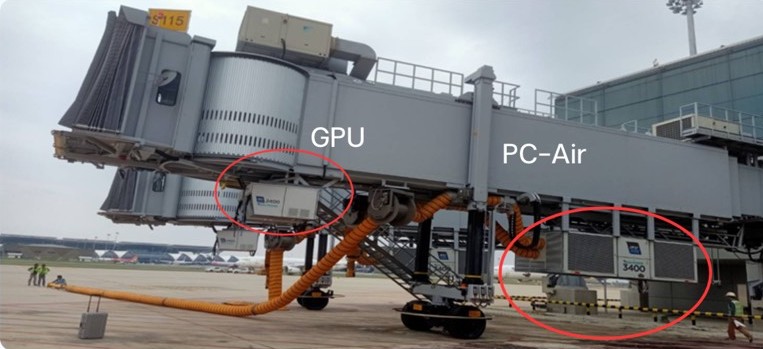
AOT has installed and operates 400 Hz Ground Power and Pre-Conditioned Air (PC-Air) systems at contact gates in Satellite Terminal 1 (SAT-1) at Suvarnabhumi Airport to address air and noise pollution associated with the use of aircraft Auxiliary Power Units (APUs) while aircraft are parked at gates. The operation of APUs during ground handling activities can generate greenhouse gas emissions, air pollutants, and noise, which may adversely affect passengers, airport personnel, and surrounding communities.
To mitigate these impacts, AOT provides 400 Hz Ground Power and PC-Air systems, enabling airlines to utilize electricity and air-conditioning supplied from airport ground infrastructure instead of operating onboard APUs. This initiative contributes to reduced aircraft fuel consumption, lower greenhouse gas emissions, and decreased air and noise pollution, while supporting AOT’s Green Airport strategy and sustainable development objectives. The implementation is aligned with International Civil Aviation Organization (ICAO) guidelines and recommended practices related to environmental management within airport operations.
In addition to its environmental benefits, the project enhances service efficiency for airlines and airport users, supports the continued growth of air transport demand, and generates additional non-aeronautical revenue for AOT. The 400 Hz Ground Power and PC-Air services at SAT-1 currently serve approximately 40 airlines per month, representing around 3,000 aircraft movements per month, and are expected to generate more than THB 300 million in additional annual revenue. The project also strengthens Suvarnabhumi Airport’s long-term competitiveness and supports its role as a regional aviation hub.
More than 90% of all eligible flights utilized the 400Hz Ground Power and Pre-Conditioned Air (PC-AIR) systems, demonstrating the effectiveness of AOT’s initiatives to promote the use of airport energy infrastructure as a substitute for aircraft Auxiliary Power Units (APUs) while parked at the gate. Based on this level of utilization, the systems are estimated to reduce APU fuel consumption by approximately 22,500 tonnes of fuel per year and avoid approximately 70,000 tonnes of CO₂ equivalent (tCO₂e) emissions annually.
These estimates are based on the actual number of flights using the 400Hz Ground Power and PC-AIR systems, categorized by ICAO Aircraft Code. The calculation assumes APU fuel consumption rates and average connection durations for each aircraft category and applies an emission factor of 3.16 kgCO₂e per kilogram of Jet A-1 fuel to estimate greenhouse gas emission reductions. These assumptions were developed by AOT for the purpose of estimating the environmental benefits of the systems, taking into account the size and operational characteristics of each aircraft category.

Sustainable Revenue
AOT generates revenue from activities classified as Sustainable Revenue, derived from its core business in airport infrastructure and services that contribute to climate change mitigation. Such revenue arises from the development and provision of low-carbon airport infrastructure, including systems that supply electricity and pre-conditioned air to aircraft during parking, thereby reducing reliance on fossil fuel-based energy.
In addition, the Company generates revenue from air transport ground handling operations and the development of infrastructure to support the use of electric vehicles within airport premises. These activities contribute to the reduction of direct greenhouse gas (GHG) emissions from operations. They have been assessed as aligned with the EU Taxonomy in terms of making a substantial contribution to climate change mitigation, while adhering to the Do No Significant Harm (DNSH) principle with respect to environmental and social impacts.
Revenue from these activities reflects AOT’s strategic direction in integrating climate objectives with long-term economic value creation.


Outstanding Activities and Key Projects in FY 2025
Development of the Thailand Voluntary Emission Reduction Program (T-VER) Project
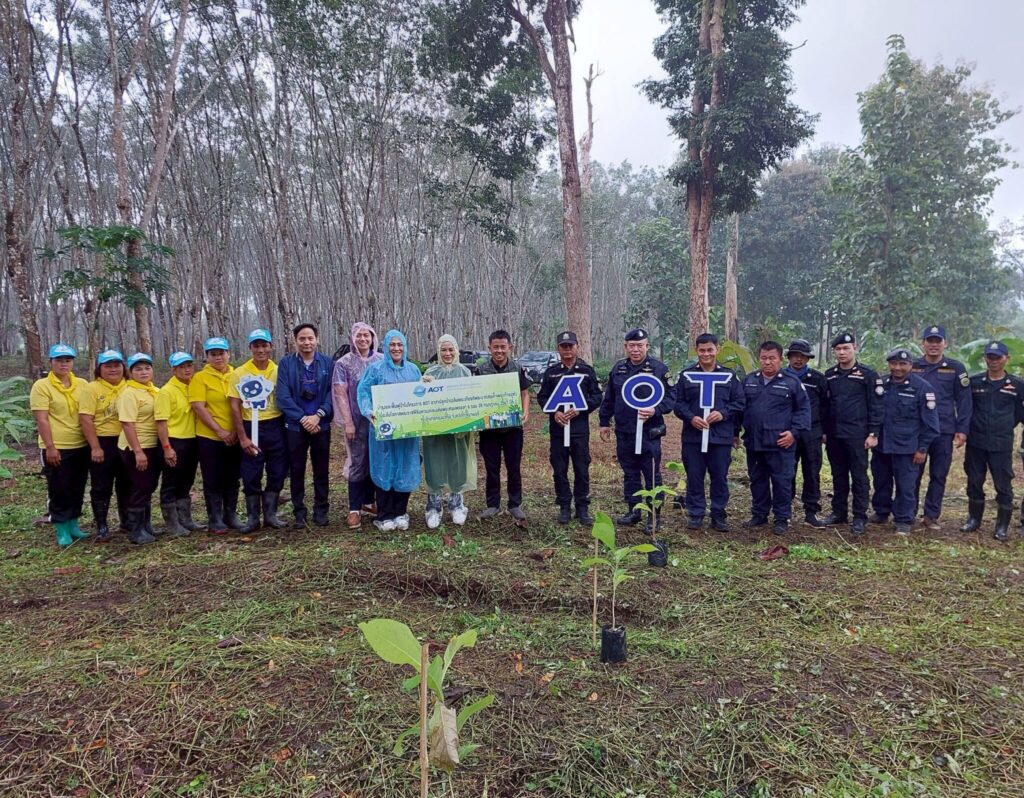
AOT has implemented the “AOT Volunteer Reforestation Project in Honor of His Majesty the King on the Auspicious Occasion of His 6th Cycle Birthday Anniversary, 28 July 2024,” in collaboration with the Royal Forest Department. The initiative aims to restore forest resources, enhance biodiversity, and contribute to tangible greenhouse gas (GHG) emission reductions.
The project covers a total reforestation area of over 360 rai across two subdistricts—Prang Phle Subdistrict, Sangkhlaburi District, and Chalae Subdistrict, Thong Pha Phum District, Kanchanaburi Province. It adopts the principles of “Sustainable Forestation” and “Carbon Sequestration Calculation in Trees” in accordance with the guidelines of the Thailand Greenhouse Gas Management Organization (Public Organization) (TGO). Teak and native tree species suitable for the local terrain and climate have been selected to support long-term natural forest regeneration. The project is expected to sequester approximately 4,099 tCO₂e over a 10-year period (2025–2035).
In fiscal year 2025, AOT carried out forest maintenance and restoration activities in the second year of the project. Executives and employees from the Corporate Social Responsibility Division, in collaboration with government agencies and local communities, participated in tree care activities. In addition, a 6-meter-wide firebreak was constructed around the area to prevent and mitigate wildfire risks at the upstream forest area of Vajiralongkorn Dam, Thong Pha Phum District, Kanchanaburi Province.
The project highlights the importance of collaboration with local communities and government agencies in ensuring long-term sustainability of reforestation efforts. It also fosters environmental awareness among AOT employees through the maintenance and restoration of more than 72,000 trees across over 360 rai. Furthermore, the initiative strengthens AOT’s corporate image as an organization committed to greenhouse gas reduction and demonstrates its readiness to participate in Thailand’s Voluntary Emission Reduction Program (T-VER) for future carbon credit certification in a systematic and transparent manner.
AOT has continuously implemented energy management initiatives across its operations, encompassing building efficiency enhancements, facility systems, and airport operations. These measures are systematically identified through energy consumption analysis and the assessment of energy-saving opportunities. The initiatives aim to support greenhouse gas emissions reduction while enhancing long-term operational efficiency and sustainability performance.





Energy Conservation and Climate Change Awareness Training
AOT continuously enhances the capacity of its personnel in energy management and climate change adaptation through training programs and knowledge-building activities aligned with the roles and responsibilities of employees at all levels.
These training programs cover key topics including energy management, greenhouse gas (GHG) emissions reduction, and readiness for the transition toward Carbon Neutrality and Net Zero. The knowledge gained is applied to support operational activities, project planning, and decision-making at both operational and management levels.
“Energy and Environmental Management During the Transition to Carbon Neutrality and Net Zero GHG Emissions” and
“Greenhouse Gas Mitigation Mechanisms (Carbon Credits) and Carbon Offsetting: Pathways to Achieving Carbon Neutrality and Net Zero Emissions”
It is a lecture designed to enhance knowledge and understanding of energy conservation and greenhouse gas management, while preparing for climate change adaptation.
Post-training assessment results indicate that 50 AOT employees from all airports gained in-depth knowledge in energy management, greenhouse gas emission reduction, and carbon credit mechanisms, along with an enhanced understanding of pathways toward Carbon Neutrality and Net Zero GHG emissions through direct engagement with subject-matter experts. This knowledge can be effectively applied to operational practices, such as developing energy databases and evaluating carbon reduction potential at each airport. Overall, participants demonstrated an average improvement in understanding of 35–40% compared to pre-training levels, reflecting the program’s effectiveness in strengthening organizational capacity.
Training Program on Energy Conservation and Efficiency Promotion (2025)

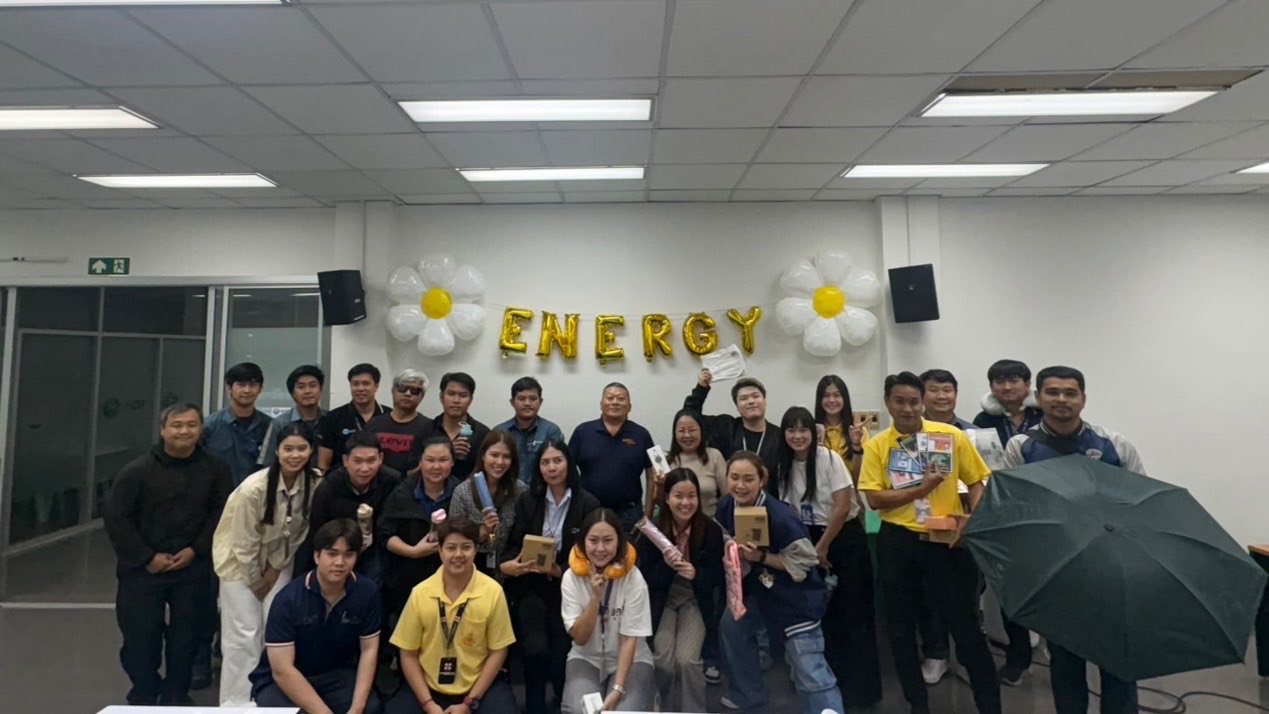
The program consisted of knowledge-sharing lectures and interactive workshop activities designed to raise awareness and promote efficient energy use among employees. The sessions were conducted by expert speakers from Blue Ribbon Consultant Co., Ltd. Employees showed strong interest and actively participated in discussions and workshop activities, which enhanced their understanding of responsible energy consumption and practical approaches to applying this knowledge in both their work and daily lives.
Online Awareness Promotion Project


World Ozone Day 2025
“From Science to Global Action”
16 September 2025 | World Ozone Day
Car Free Day
22 September 2025
A day to raise awareness about the impacts of ozone layer depletion and to encourage actions that help protect the ozone layer.
Simple Ways to Protect the Ozone Layer
- Avoid using sprays and products containing CFCs
- Reduce the use of foam and single-use plastics
- Use public transportation or clean energy vehicles
- Plant trees and increase green spaces
- Separate recyclable waste and avoid open burning
- Choose electrical appliances that use ozone-friendly refrigerants
Let’s reduce our reliance on private cars.
Walk, cycle, or use public transportation instead.
Promote environmentally friendly travel choices
and work together to create positive change
for a more livable city.
Outstanding Energy Management Initiatives
AOT continuously implements energy management projects covering building efficiency improvements, facility systems, and airport operations. The measures are selected based on energy consumption analysis and energy-saving opportunity assessments, in order to support greenhouse gas emission reductions and enhance long-term operational efficiency.
ICT as a Low-Carbon Enabler
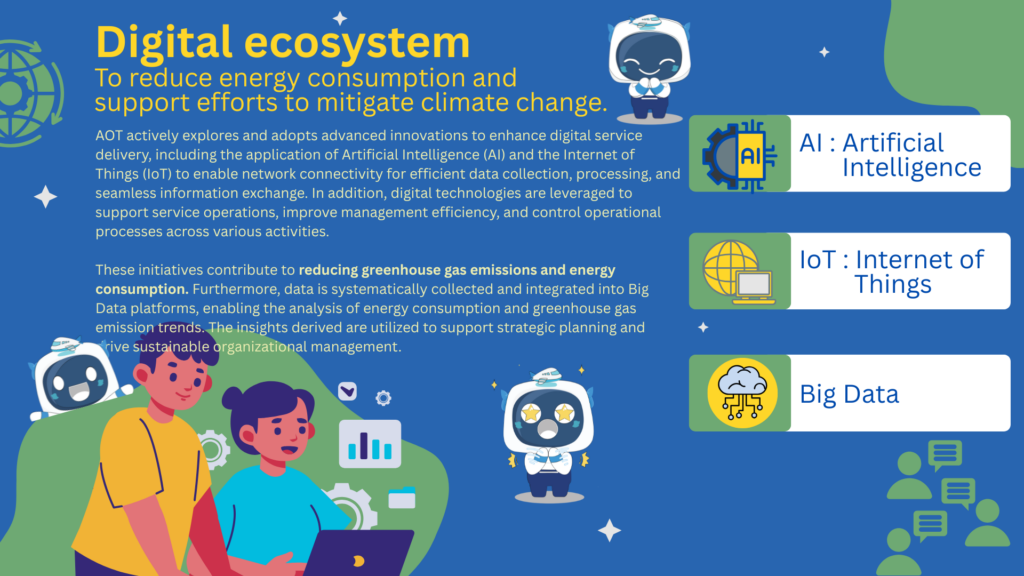
In response to the evolving global technological landscape, Airports of Thailand Public Company Limited (AOT) has proactively adapted its operations by promoting the adoption of environmentally friendly information and communication technologies (ICT) in a comprehensive and systematic manner. This includes initiatives to reduce energy consumption and optimize the use of ICT resources without compromising service quality.
To support sustainable business growth, AOT has established the Green ICT Management Policy, which guides the selection and management of environmentally friendly information technologies across the organization.
Outstanding Climate Action
Thailand’s First Model Green Airport
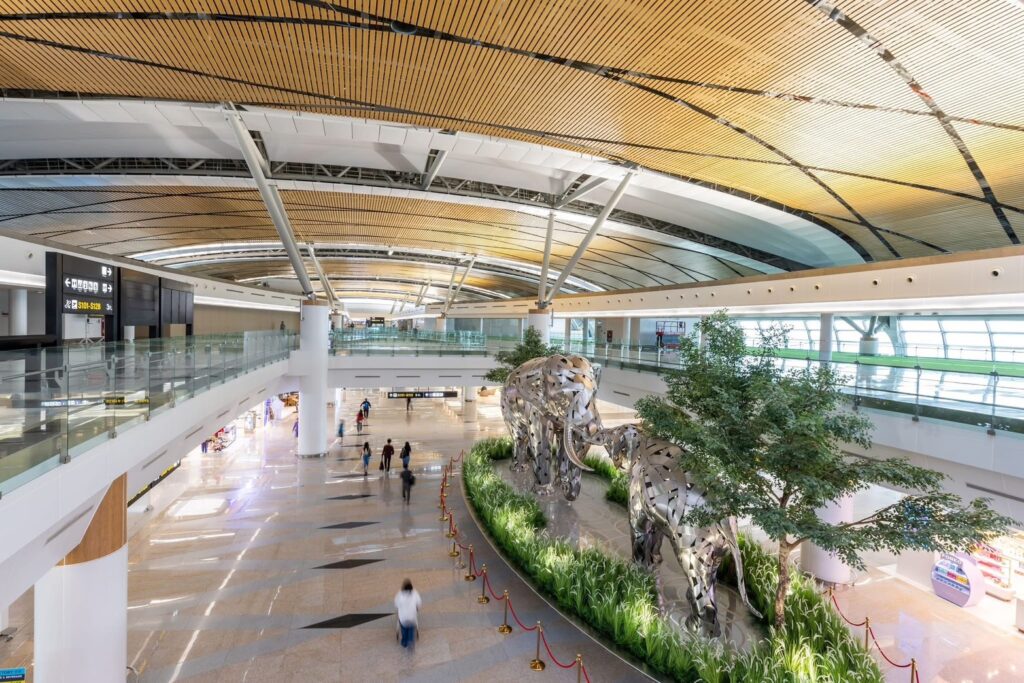
AOT is committed to advancing Suvarnabhumi Airport as Thailand’s first Green Airport, serving as a model for environmentally friendly airport development. This is achieved through continuous environmental and energy management initiatives. The SAT-1 terminal has been designed as a sustainable building, incorporating Solar Rooftop and Solar Floating systems.
In addition, the SAT-1 terminal received the Prix Versailles award as part of The World’s Most Beautiful Airports List 2024, presented by the Prix Versailles Selection Committee in collaboration with the United Nations Educational, Scientific and Cultural Organization (UNESCO).

Key Performance Highlights
Energy consumption and greenhouse gas (GHG) emissions performance data disclosed in the performance tables are prepared in accordance with relevant standards and guidelines, covering the operational scope of all six airports.
AOT consistently applies standardized methodologies, calculation approaches, and assumptions across each reporting cycle to ensure comparability, enabling effective tracking of trends and assessment of performance progress. The disclosure of energy and climate-related data is aligned with the GRI Standards and has been externally verified by an accredited independent assurer to ensure data accuracy and reliability.
In the event of any changes in reporting boundaries or calculation methodologies, additional explanations will be provided to maintain transparency of the disclosed information.
GHG Emissions
Airports of Thailand Public Company Limited (AOT)
Remark: The data are reported on a calendar-year basis, with 2023 designated as the base year for greenhouse gas emissions reduction analysis.
* Scope 3 GHG emissions reporting by AOT covers upstream activities, including the extraction, production, transportation, and distribution of fuels or energy purchased by the company.
Verification/Certification
Internal Verification
- Eco-Efficiency Assessment
- Preparation of a Carbon Management Plan
External Certification
- Certification of airport carbon data under the Airport Carbon Accreditation (ACA) project by Airports Council International (ACI).
- Adherence to the international framework for greenhouse gas accounting, Greenhouse Gas Protocol (GHGP), and compliance with GRI reporting standards requirements, such as GRI 305: Emissions.